

Quick Answer
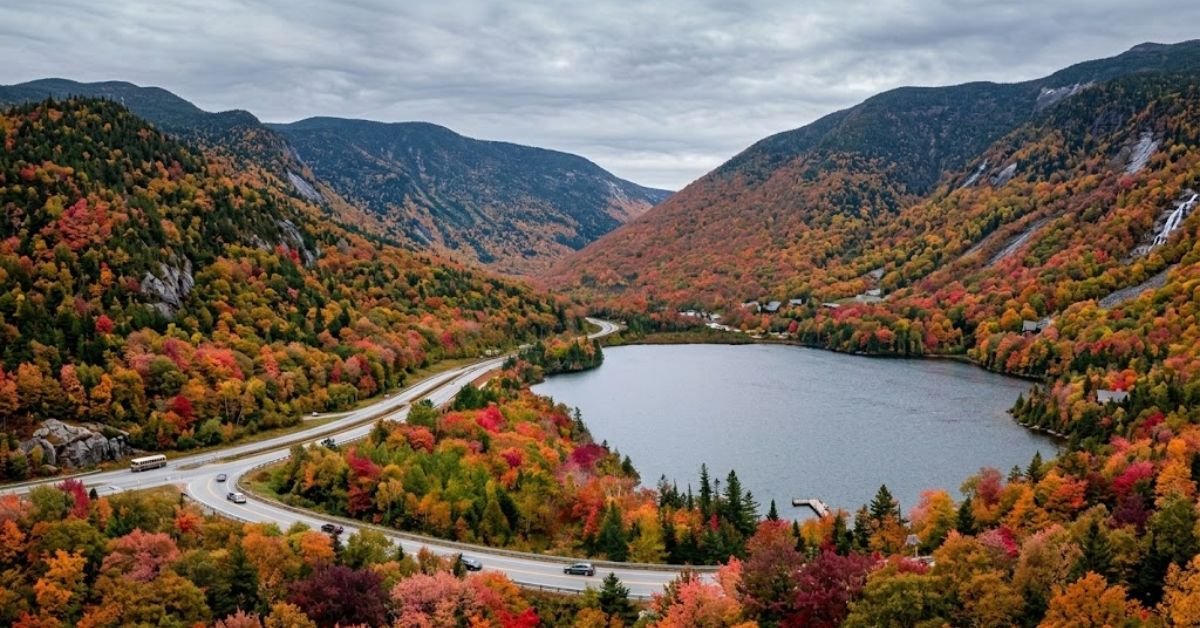
The Appalachian Mountains are in eastern North America, stretching from eastern Canada through the eastern United States toward central Alabama and Georgia.
Thank you for reading this post, don't forget to subscribe!In the United States, the range passes through or borders numerous states, including Maine, New Hampshire, Virginia, North Carolina, Tennessee, and Georgia.
Travelers visit this extensive mountain region for scenic drives, hiking trails, forests, waterfalls, wildlife, historic towns, and outdoor adventures.
Introduction
Where are the Appalachian Mountains? They stretch across eastern North America, forming one of the continent’s most recognizable mountain regions. The range extends from Canada’s eastern provinces into the eastern United States, where its landscapes include forested peaks, rolling ridges, river valleys, and beautiful mountain communities.
The area has far more to offer than beautiful mountain views.
Visitors can explore national parks, drive winding mountain roads, discover historic towns, and hike trails with sweeping views. Each area has its own character, climate, and outdoor experiences.
This guide explains the Appalachian Mountains’ location, the states they cross, the best places to visit, seasonal travel considerations, transportation options, and practical tips for planning a memorable trip.
Table of Contents
- Where Are the Appalachian Mountains Located on a Map?
- Which States Have the Appalachian Mountains?
- Top Destinations to Explore in the Appalachian Mountains
- Best Time to Visit the Appalachian Mountains
- How to Reach the Appalachian Mountains
- Things to Do in the Appalachian Mountains
- Where to Stay in the Appalachian Mountains
- Appalachian Mountains Travel Costs and Planning
- Common Mistakes to Avoid
- Troubleshooting Travel Problems
- Best Practices for an Appalachian Mountain Trip
- Key Takeaways
- Conclusion
- Frequently Asked Questions
Where Are the Appalachian Mountains Located on a Map?
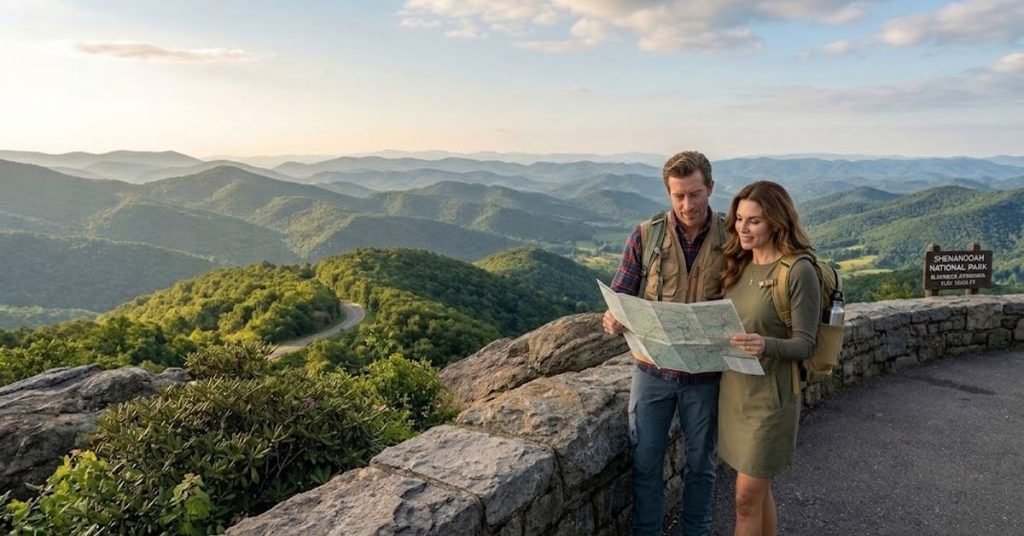
Locate eastern North America, where the mountain range stretches from eastern Canada through the eastern United States.
Their northern reaches extend into eastern Canada, while their American section continues south through the eastern United States.
The range is not a single line of tall, sharply pointed peaks. Instead, it consists of numerous mountain chains, plateaus, valleys, ridges, and forested highlands. These landscapes developed over hundreds of millions of years and have been shaped by prolonged erosion.
In the United States, the Appalachians extend from the northeastern states to the southern states.
Their geography includes the Green Mountains, White Mountains, Blue Ridge Mountains, and Great Smoky Mountains, among other ranges.
Where Can You Locate the Appalachian Mountains on a Map?
Find eastern North America on the map. The Appalachian Mountains stretch from eastern Canada through the eastern United States, inland from much of the Atlantic coast. The Appalachian region lies inland from much of the Atlantic coastline and extends southwestward from eastern Canada into the United States.
The mountains are generally east of the Mississippi River and west of the Atlantic coastal plain, although the distance between the range and the coast varies considerably.
Which States Have the Appalachian Mountains?
The Appalachian region includes parts of many eastern U.S. states. Its geography is commonly associated with Maine, New Hampshire, Vermont, Massachusetts, Connecticut, New York, Pennsylvania, New Jersey, Maryland, West Virginia, Virginia, Kentucky, Tennessee, North Carolina, South Carolina, Georgia, and Alabama. Mountains Ranges in the USA
The exact list depends on how the Appalachian region is defined. The mountain system, geological provinces, cultural region, and Appalachian Trail do not all follow identical boundaries.
| Area | States or regions | What travelers can experience |
| Northern Appalachians | Maine, New Hampshire, Vermont | Rugged peaks, forests, lakes, and cooler-weather hiking |
| Central Appalachians | New York, Pennsylvania, West Virginia, Virginia | Wooded ridges, scenic valleys, historic communities, and trails |
| Southern Appalachians | Tennessee, North Carolina, Georgia, Alabama | Blue Ridge scenery, waterfalls, mountain towns, and extensive forests |
Northern Appalachian Mountain Destinations
The northern section is appealing to travelers who enjoy rugged landscapes, peaceful lakes, and outdoor activities. New Hampshire’s White Mountains offer challenging hikes and mountain drives, while Maine provides access to northern wilderness and the Appalachian Trail’s northern terminus at Katahdin.
Vermont is another appealing choice for countryside drives, small towns, and forested mountain scenery.
Central Appalachian Mountain Destinations
Central Appalachia combines natural landscapes with communities shaped by regional history, music, crafts, and local traditions. West Virginia is particularly known for its forested mountains, river gorges, and outdoor recreation.
Pennsylvania and Virginia offer a mixture of wooded ridges, historic settlements, hiking routes, and scenic road trips. Travelers can build a journey around one region rather than attempting to cover several states at once.
Southern Appalachian Mountain Destinations
The southern section attracts many visitors because of its extensive forests, dramatic overlooks, waterfalls, and established outdoor recreation areas. Cool Weekend Vacation Ideas
North Carolina and Tennessee attract many visitors who want to discover the scenic Blue Ridge and Great Smoky Mountains. Georgia offers access to the southern end of the Appalachian Trail and several mountain communities.
Top Destinations to Explore in the Appalachian Mountains
The best Appalachian destination depends on your interests, available time, and preferred activities. Some places suit experienced hikers, while others offer easier walks, scenic drives, family attractions, and comfortable mountain-town stays.
Great Smoky Mountains National Park
Located along the Tennessee–North Carolina border, Great Smoky Mountains National Park is one of the region’s best-known destinations. Its forests, mountain views, waterfalls, and diverse wildlife attract visitors throughout the year.
Travelers can explore scenic roads, choose trails suited to their abilities, and visit nearby communities such as Gatlinburg and Cherokee. Families may prefer shorter walks and overlooks, while experienced hikers can investigate more demanding routes.
Mountain weather can change quickly. Check current park alerts, road conditions, and trail information before departure.
Blue Ridge Mountains
The Blue Ridge Mountains stretch across parts of the southern and central Appalachians. Their blue-toned, distant ridges, wooded slopes, and winding scenic roads appeal to photographers, couples, families, and road-trip travelers.
North Carolina and Virginia offer numerous opportunities to combine mountain drives with hiking, small-town visits, local restaurants, and outdoor activities.
The Blue Ridge Parkway is a particularly popular scenic route. However, closures can occur because of weather, maintenance, or other conditions. Check official road updates before planning a drive.
White Mountains, New Hampshire
The White Mountains offer dramatic northern Appalachian scenery for travelers. The area offers forest walks, mountain viewpoints, outdoor recreation, and routes through picturesque New England communities.
Some hikes involve steep climbs, exposed terrain, or rapidly changing weather. Choose trails according to your fitness and experience, and do not assume that a short distance means an easy walk.
Shenandoah National Park, Virginia
Shenandoah National Park offers forested mountain landscapes, wildlife-viewing opportunities, hiking trails, and overlooks along Skyline Drive.
It works well for a scenic road trip or a longer outdoor holiday. Visitors can combine short walks with longer hikes, depending on conditions and their interests.
Check park notices before traveling, particularly during periods of severe weather or seasonal closures.
Harpers Ferry, West Virginia
Harpers Ferry is a useful stop for travelers interested in both mountain scenery and American history. The town sits near the meeting point of the Potomac and Shenandoah rivers and provides access to historic sites and nearby hiking routes.
It can be included in a central Appalachian road trip or visited as a shorter excursion from nearby cities. Allow time to explore the historic area instead of treating the town only as a roadside stop.
Best Time to Visit the Appalachian Mountains
The ideal time to explore the Appalachian Mountains depends on your destination and travel plans. Spring brings fresh greenery and flowing streams, summer is great for hiking, fall showcases colorful foliage, and winter offers peaceful scenery in some areas.
Conditions vary significantly between northern and southern sections. Mountain peaks and higher-altitude areas can stay cold even when temperatures in nearby valleys are relatively mild.
| Season | What to expect | Planning advice |
| Spring | Blooming plants, variable temperatures, possible muddy trails | Check rainfall and trail conditions |
| Summer | Longer daylight hours and popular hiking periods | Start early and prepare for heat, storms, and crowds |
| Fall | Colorful foliage in many areas and cooler weather | Book accommodation early during peak foliage periods |
| Winter | Snow, ice, cold temperatures, and quieter destinations | Check road closures and carry appropriate cold-weather gear |
Autumn is especially popular in many Appalachian destinations, but foliage timing changes from year to year. Elevation, weather, and location all influence when leaves change color.
Summer can be excellent for exploring higher elevations, although thunderstorms, humidity, insects, and crowded parking areas may affect your plans.
Before booking, check the forecast for your exact destination. Do not rely on a general regional forecast when planning a mountain hike or scenic drive.
How to Reach the Appalachian Mountains
There is no single airport or transport hub for the entire Appalachian range. Your best arrival point depends on which state, park, or mountain town you plan to visit.
For the southern Appalachians, travelers may consider airports serving Asheville, Knoxville, or Atlanta. Northern destinations may be reached through airports serving cities such as Boston or Portland, Maine. The most convenient option depends on your route and final destination.
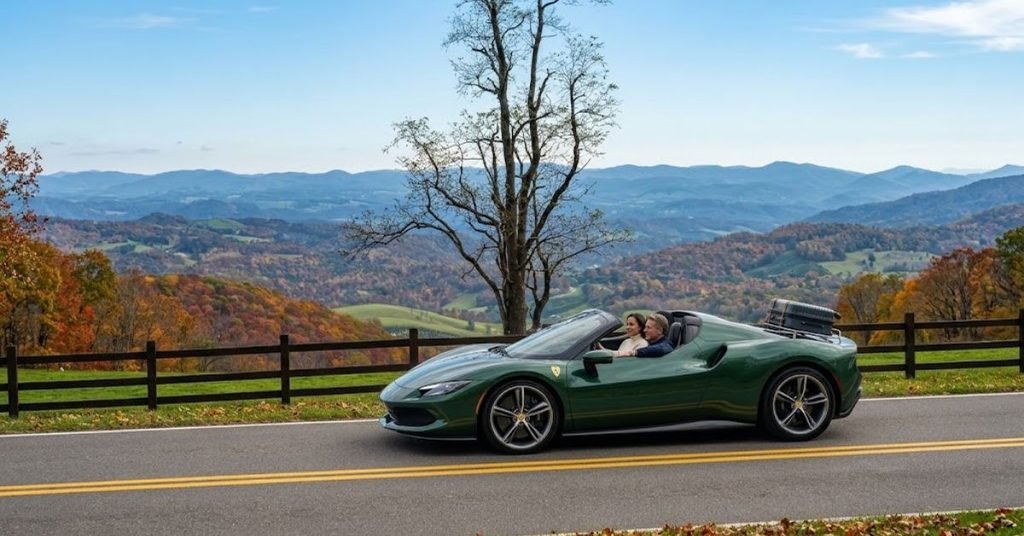
Rental cars are useful for many mountain trips because trailheads, overlooks, and smaller communities can be spread far apart. Some towns and outdoor areas also have bus services, shuttles, or organized tours, but availability varies.
Before reserving a vehicle, compare airport transfers, parking fees, rental costs, and the distance to your accommodation. A car may be unnecessary if you are staying in a walkable town and joining organized excursions.
For a broader American driving holiday, see these United States road trip planning tips.
Things to Do in the Appalachian Mountains
The Appalachian Mountains have something for every type of traveler, regardless of interests or fitness level. You can enjoy their natural beauty without having advanced mountain-climbing experience.
- Hiking: Choose a short nature trail, a moderate ridge walk, or a challenging mountain route that matches your ability.
- Scenic driving: Explore designated mountain roads and stop at permitted overlooks.
- Waterfall visits: Research accessible waterfalls and follow posted trail guidance.
- Wildlife watching: Observe animals from a safe distance without feeding or approaching them.
- Photography: Capture forested ridges, changing foliage, rivers, and sunrise or sunset views.
- Historic sightseeing: Explore mountain towns, museums, cultural sites, and regional heritage attractions.
- Local food: Try regional dishes and visit local cafés, markets, and restaurants.
- Camping: Use designated campgrounds and check whether reservations or permits are required.
The Appalachian Trail is another major attraction. It runs for more than 2,190 miles from Georgia to Maine, crossing a long stretch of the Appalachian region. You do not have to hike the entire route to experience it; many visitors explore a small, manageable section.
Where to Stay in the Appalachian Mountains
Accommodation choices range from budget motels and cabins to vacation rentals, campgrounds, lodges, and full-service hotels. The best option depends on your activities and how much driving you want to do each day.
Mountain towns are convenient for travelers who want restaurants, shops, and easy access to several attractions. They can be an excellent option for families and travelers exploring the area for the first time.
Cabins and vacation rentals suit couples, families, and small groups seeking more privacy or space to prepare meals. Confirm the property’s location, road access, heating or cooling facilities, and cancellation policy before booking.
Campgrounds can provide an immersive outdoor experience, but facilities vary. Check whether drinking water, toilets, showers, and suitable parking are available.
Hotels near park entrances can reduce daily driving time. However, they may be expensive or fully booked during busy weekends and autumn foliage season.
Look at the overall accommodation cost, including extra fees and expenses, instead of focusing only on the price per night. Cleaning fees, parking, resort fees, fuel, and extra driving can affect the overall budget.
Appalachian Mountains Travel Costs and Planning

Travel expenses vary widely across the Appalachian region. Your total budget depends on the destination, season, transport, accommodation, dining preferences, and activities.
Rather than relying on a single regional price, compare actual rates for your travel dates. Mountain towns can become considerably more expensive during holidays and peak foliage periods.
Include these costs in your planning:
- Flights or long-distance transport to the region.
- Rental car, fuel, parking, or local transport.
- Accommodation and applicable taxes or fees.
- Food, groceries, and drinking water.
- Park admission, tours, or activity fees where applicable.
- Hiking equipment, weather-appropriate clothing, and emergency supplies.
Travelers on a budget can save money by visiting outside the busiest periods, booking accommodation early, preparing some meals, and choosing free or low-cost outdoor activities.
However, do not compromise on essential equipment, safe accommodation, or suitable transport simply to reduce expenses. Some outdoor activities require specialist gear or paid guides, and those costs should be included before departure.
Common Mistakes to Avoid in the Appalachian Mountains
One common mistake is treating the Appalachians as a single compact destination. The mountain range covers an enormous area, and driving between distant locations can consume a large part of your vacation.
Another mistake is underestimating mountain weather. Conditions can change quickly, particularly at higher elevations, so bring suitable layers and check the forecast before outdoor activities.
Travelers also sometimes choose hikes based only on distance. Elevation gain, steep terrain, trail surfaces, exposure, and weather can make a short route difficult.
You can prevent these issues by following a few simple guidelines:
- For a short vacation, focus on one main area instead of trying to visit multiple distant regions.
- Research trail difficulty before leaving.
- Keep backup plans for rain or closures.
- Book popular accommodation in advance.
- Bring enough drinking water, some snacks, a fully charged phone, and a reliable map for your trip.
- Follow wildlife guidance and leave natural areas undisturbed.
Troubleshooting Travel Problems in the Appalachian Mountains
Mountain travel sometimes requires quick changes to your plans. Severe weather, road closures, crowded trailheads, and limited mobile coverage can affect even a carefully organized trip.
If a road closes: Follow official detour instructions and check whether the alternative route is suitable for your vehicle. Avoid entering closed areas.
If storms approach: Leave exposed ridges and open summits when conditions become unsafe. Follow local emergency guidance rather than attempting to finish a hike.
If a trailhead is full: Use a permitted alternative parking area or choose another trail. Never block access roads or emergency entrances.
If your phone loses service: Carry an offline map and tell someone your planned route and expected return time. For remote hikes, consider appropriate emergency communication equipment.
If accommodation becomes unavailable: Contact the property directly and check nearby towns. Confirm the new location’s driving time before accepting a replacement booking.
If you are injured or face a life-threatening emergency, contact local emergency services as soon as possible.
Best Practices for an Appalachian Mountain Trip
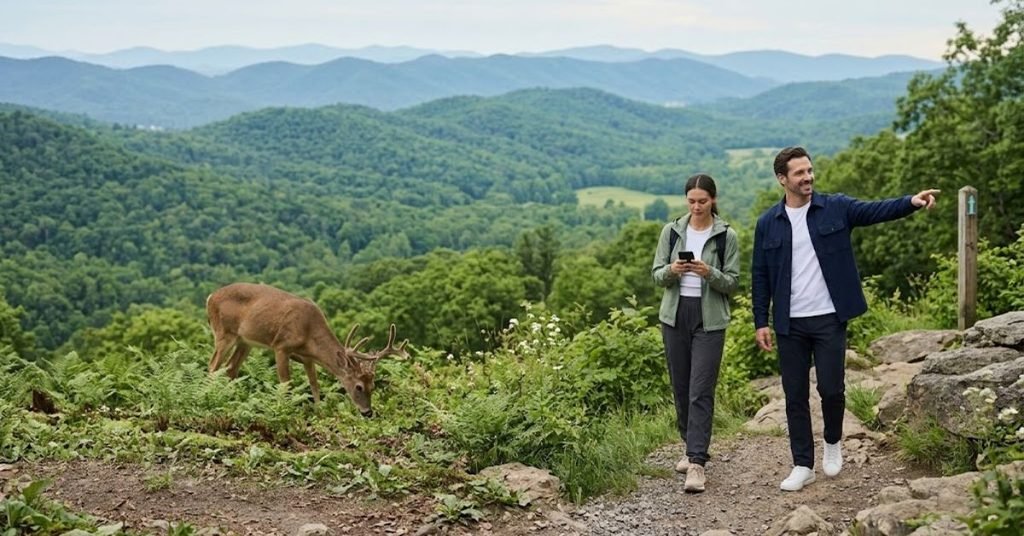
Good planning makes it easier to enjoy the scenery while reducing avoidable risks.
First, select a specific destination and build your itinerary around it. A three-day visit to one area will often be more rewarding than spending most of the trip driving between distant mountain regions.
Second, match activities to your abilities. Beginners can choose established nature trails and scenic overlooks, while experienced hikers may prefer longer routes with greater elevation gain.
Third, check official park websites for closures, access requirements, parking restrictions, permits, and seasonal information. Conditions can change after you make a reservation.
Finally, respect the environment. Stay on marked trails, pack out your rubbish, follow fire restrictions, and observe wildlife without disturbing it. If you visit culturally significant sites or historic communities, follow local rules and treat residents with respect.
Key Takeaways
- The Appalachian Mountains extend from eastern Canada through the eastern United States.
- The region includes northern, central, and southern mountain landscapes.
- Great Smoky Mountains National Park, the Blue Ridge Mountains, and Shenandoah National Park are popular visitor destinations.
- Spring, summer, and fall offer different outdoor experiences; winter requires additional weather preparation.
- A rental car is useful in many areas, although local transport and guided tours may be available.
- Research trail conditions, road closures, and accommodation before traveling.
- For a short vacation, focus on one mountain region instead of trying to cover the entire range.
Conclusion
The Appalachian Mountains offer a remarkable combination of forested peaks, scenic roads, outdoor adventures, historic towns, and rich regional culture. Their enormous size means travelers can find very different experiences in the northern, central, and southern sections.
Start by choosing the state or national park that best matches your interests. Then check seasonal conditions, select suitable accommodation, and plan activities around realistic travel times. With a thoughtful itinerary and appropriate preparation, you can enjoy an Appalachian mountain getaway at your own pace.
Frequently Asked Questions
1. Where are the Appalachian Mountains located in the United States?
The Appalachian Mountains run through the eastern United States, from the northeastern states toward Georgia and Alabama, with several mountain chains and valleys along the way.
2. Where are the Appalachian Mountains on a map?
Look at eastern North America, inland from the Atlantic coast. The range extends from eastern Canada through the eastern United States.
3. Which states have the Appalachian Mountains?
The Appalachian region includes parts of states such as Maine, New Hampshire, Pennsylvania, West Virginia, Virginia, Tennessee, North Carolina, Georgia, and Alabama, among others.
4. Are the Appalachian Mountains the same as the Blue Ridge Mountains?
The Blue Ridge Mountains form one section of the much larger Appalachian mountain range.
5. When Is the Best Time to Visit the Appalachian Mountains?
Spring and fall are popular for mild-weather outings and scenery. Summer is useful for many hikes, while winter conditions vary considerably by elevation and location.
6. Where are the Appalachian Mountains best for hiking?
Popular hiking areas include Great Smoky Mountains National Park, Shenandoah National Park, New Hampshire’s White Mountains, and sections of the Appalachian Trail.
7. Can families visit the Appalachian Mountains?
Yes. Families can enjoy scenic drives, short nature walks, visitor centers, wildlife observation, and mountain towns. Choose activities suited to children’s ages and abilities.
8. Do you need a car to visit the Appalachian Mountains?
A car is useful for reaching many trailheads and smaller communities. However, public transport, shuttles, and guided tours may work for selected destinations.
9. What Is the Highest Point in the Appalachian Mountains?
Mount Mitchell in North Carolina is the highest peak in the Appalachian Mountains, reaching approximately 6,684 feet (2,037 meters) above sea level.
10. How Many Days Do You Need to Explore the Appalachian Mountains?
A weekend can work for one town or park area. Three to five days allows more time for hiking and sightseeing, while a longer trip suits travelers exploring multiple destinations.
External Links
1. National Park Service – Appalachian National Scenic Trail
2. Appalachian Trail Conservancy – Official Website


