


Quick Answer
A beach family-friendly vacation combines convenient facilities, suitable activities, comfortable accommodation, and safe conditions for spending time near the water.
Thank you for reading this post, don't forget to subscribe!Families should compare lifeguard availability, beach access, restrooms, shade, nearby restaurants, and activities suitable for their children’s ages.
The right destination depends on your budget, travel dates, preferred activities, and the amount of time you want to spend relaxing beside the sea.
Introduction
A beach family-friendly holiday can offer much more than a few hours beside the ocean. It can give families time to relax together, explore coastal communities, enjoy outdoor activities, and create memories away from their usual routines. However, choosing the right beach requires more thought than selecting a destination with attractive photographs or clear blue water.
Families have different priorities when planning a seaside escape. Parents travelling with toddlers may need easy beach access, nearby toilets, shaded seating, and convenient accommodation. For families travelling with older children, beaches with plenty of room to play, fun activities, and nearby places to explore can be a practical choice.
Teenagers may be more interested in surfing lessons, kayaking, coastal walks, or opportunities to explore the surrounding area.
Budget, weather, transport, and local swimming conditions also influence the experience. A beautiful beach can become inconvenient when parking is limited, essential facilities are far away, or the journey takes longer than expected. Likewise, an expensive resort does not automatically provide the best experience for every household.
Table of Contents
- What Makes a Beach Suitable for Families?
- Best Types of Family-Friendly Beaches
- Popular Beach Destinations for Families
- How to Choose a Beach for Your Children
- Family Beach Activities by Age
- Essential Beach Packing Checklist
- Budgeting for a Family Beach Vacation
- Choosing Family Accommodation
- Beach Safety Tips for Parents
- Best Time to Visit a Family Beach
- Sample Three-Day Family Beach Itinerary
- Common Mistakes and How to Avoid Them
- Best Practices for Planning Your Trip
- Key Takeaways
- Frequently Asked Questions
- Conclusion
What Makes a Beach Family Friendly?
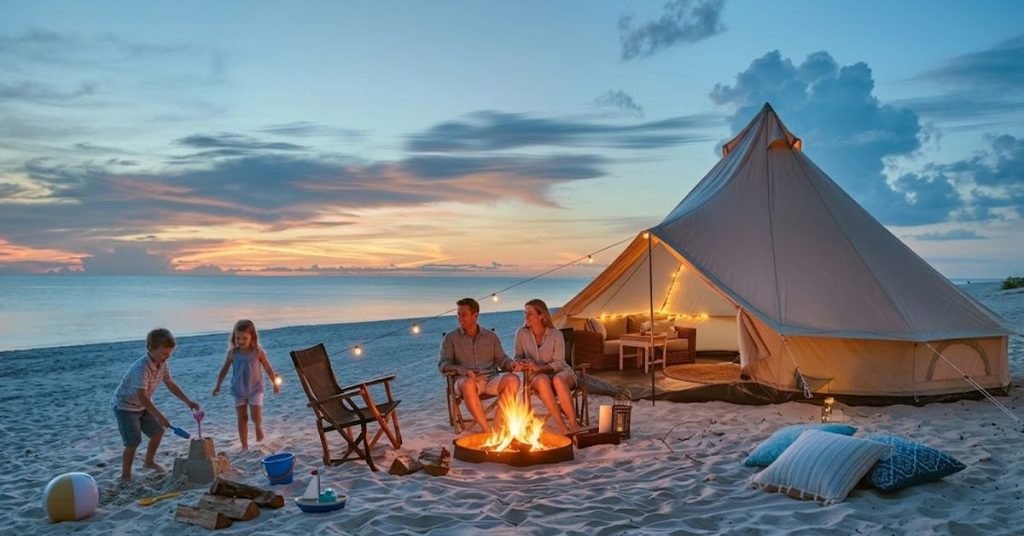
A suitable beach should match your family’s needs rather than simply look attractive. The most useful features are often practical details that visitors overlook when browsing destination photographs.
Swimming Conditions at Family-Friendly Beaches
Check whether swimming is permitted and whether lifeguards operate during your planned visit. Some beaches have designated swimming areas, while others experience strong currents, large waves, sudden changes in water depth, or hazardous underwater conditions.
Never assume that calm-looking water is safe. Review local warnings and follow instructions displayed at the beach. If swimming is prohibited or conditions are unsuitable, choose activities away from the water.
Facilities at a Family Friendly Beach
Families benefit from facilities that reduce the effort involved in spending several hours outdoors. The facilities available can vary from one beach to another, but some helpful features to look for are:
- Clean public restrooms and changing facilities.
- Drinking water and nearby food options.
- Shaded seating or permitted umbrella areas.
- Convenient parking or public transportation.
- Accessible paths for strollers and mobility equipment.
- Nearby shops for essential supplies.
Confirm which facilities are available before travelling. A beach may have seasonal services, limited opening hours, or different amenities at separate entrances.
Family-Friendly Beach Activities Beyond Swimming
A family holiday becomes more flexible when everyone has something enjoyable to do. Sandcastle building, picnics, coastal walks, playgrounds, nature centres, and local attractions can provide alternatives to swimming.
Look for destinations that offer several suitable activities without requiring long daily journeys. This can be useful when little ones need a break or unexpected weather makes staying at the beach less comfortable.
Space, Cleanliness, and Convenience
Crowded beaches can make supervision and relaxation more difficult. If your schedule allows, consider visiting outside major holiday periods or arriving earlier in the day.
Check recent information about cleanliness, parking, and visitor numbers. Avoid isolated locations without suitable access or emergency services simply because they appear quieter.
Best Types of Family-Friendly Beaches
Different coastlines suit different travel styles. Comparing the type of beach before selecting a destination can help you avoid paying for facilities your family will not use.
| Beach type | Best suited for | What to check |
| Developed public beach | Families wanting convenient facilities | Lifeguards, restrooms, parking |
| Resort beach | Travellers seeking accommodation and activities together | Included services, extra charges, swimming conditions |
| Quiet coastal beach | Families wanting a slower holiday | Emergency access, toilets, transport |
| Beach near attractions | Families wanting varied activities | Distances, admission costs, opening hours |
| Accessible beach | Visitors using strollers or mobility equipment | Step-free access, beach mats, accessible facilities |
A developed beach may be convenient for a short visit, while a resort location might suit a longer stay. A quieter coastal town can work well when the family prefers relaxed walks and picnics.
The best choice is the one that fits your actual requirements, not necessarily the most famous or expensive option.
Popular Family-Friendly Beaches
The following destinations offer different holiday experiences. Their suitability depends on the particular beach, season, local conditions, and facilities available during your visit.
Clearwater Beach: A Family-Friendly Destination
Families visiting Clearwater can plan a beach holiday with easy access to places for meals, overnight stays, and entertainment beyond the sand.
The wider region offers additional attractions for visitors who want to combine beach time with other experiences.
Research parking, seasonal crowds, and accommodation locations before booking. Check current swimming advisories and lifeguard arrangements rather than assuming every section of the coastline has the same conditions.
Waikiki Beach: A Family-Friendly Destination
Waikiki offers a combination of coastal scenery, accommodation, dining, shopping, and attractions around Honolulu. Families may appreciate having different activities within reach rather than spending the entire holiday at the beach.
Conditions vary along the shoreline, so check local swimming guidance before entering the water. Accommodation prices and visitor numbers can also change considerably with the season.
Gulf Shores, Alabama
Gulf Shores offers a coastal setting with beach recreation and opportunities to explore the surrounding area. It may suit families looking for a relaxed holiday with a mixture of outdoor activities and casual dining.
Compare accommodation distances, transport requirements, and available facilities. Check the weather and local beach warnings before setting out, especially during periods of severe weather.
Myrtle Beach, South Carolina
Myrtle Beach is a developed holiday destination with a wide choice of entertainment, restaurants, accommodation, and shopping. Families who prefer having alternatives to swimming may appreciate the variety of activities in the area.
Busy periods can bring heavier traffic and crowded public spaces. Consider reserving accommodation early and planning outings around the busiest hours.
Siesta Key, Florida
Siesta Key is worth considering for travellers interested in a beach-focused stay with nearby accommodation and dining. It can appeal to families who want time on the sand while keeping other activities relatively accessible.
Investigate beach access, parking arrangements, and current water conditions before arrival. Before swimming, check the conditions at your chosen spot, as water depth, currents, and local hazards can differ along the same beach.
For additional destination inspiration, explore Tripzunos’Dream Vacation Destinations guide when comparing coastal holidays with other warm-weather escapes.
How to Choose a Beach for Your Children
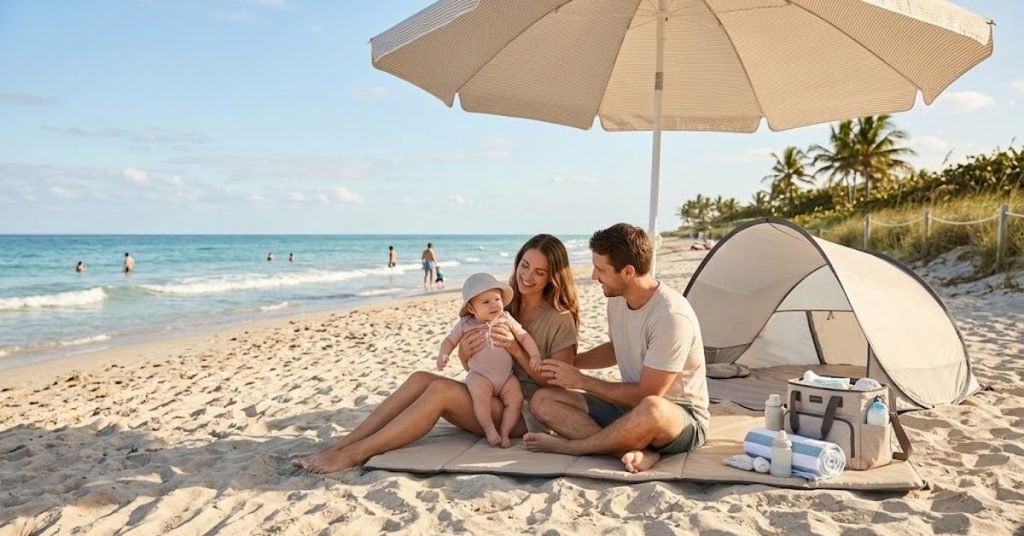
A destination that works for teenagers may not be convenient for toddlers. Start by identifying your family’s practical needs and then compare suitable locations.
Choosing a Family Friendly Beach for Your Children’s Ages
Babies and toddlers often need frequent rest breaks, convenient changing facilities, shade, and short distances between the beach and accommodation. A complicated journey or a long walk carrying supplies may make the day harder than expected.
School-age children may enjoy nature activities, sand games, and supervised recreation. Teenagers might prefer organised water sports, surfing lessons, or coastal cycling.
Choose activities according to age restrictions, ability, weather, and available supervision. Younger or inexperienced swimmers should remain within immediate reach of a responsible adult.
Journey Time for a Family Beach Vacation
Consider how long it takes to reach the beach from your hotel, airport, or holiday rental. Include parking, walking distances, transfers, and the time needed to carry equipment.
A convenient beach close to your accommodation may provide more enjoyable time together than a famous location requiring several hours of travel each day.
For shorter breaks, Tripzunos’ Best Weekend Trip Ideas guide can help you think about travel time and how to make the most of a limited schedule.
Read Reviews and Verify Important Details
Recent visitor reviews can help you understand parking, cleanliness, crowd levels, and the availability of nearby food. Look for specific observations rather than relying on general praise.
Confirm important details through official local sources. Reviews may describe another entrance, a different season, or facilities that are no longer available.
Family Beach Activities by Age
You do not need expensive equipment to keep everyone entertained. A few simple activities can make a beach day enjoyable without creating an exhausting schedule.
Activities for Toddlers
Young children often enjoy sensory play and exploring their surroundings with a parent.
- Build small sandcastles.
- Draw shapes in the sand.
- Play with buckets and sand molds.
- Take a short walk with an adult.
- Enjoy a snack break in a shaded area.
Keep toddlers away from unsupervised water access and watch them closely at all times. Prevent them from eating sand or unfamiliar objects, and clean their hands before meals.
Activities for School-Age Children
Older children may enjoy simple challenges that encourage creativity and observation. Organise a sandcastle competition, a family photo challenge, or a nature-spotting activity.
Ask them to notice cloud shapes, coastal plants, or birds from a respectful distance. Follow local rules and avoid disturbing wildlife or protected habitats.
Activities for Teenagers
Teenagers may enjoy kayaking, paddleboarding, snorkelling, surfing lessons, or guided boat trips where these activities are available.
Use reputable operators and check age limits, equipment requirements, weather restrictions, and cancellation terms. Beginners should receive appropriate instruction and use suitable safety equipment.
Activities for Everyone
A sunset walk, picnic, board game, or visit to a nearby aquarium can bring the family together without requiring a full day of activity.
Plan one main activity and leave space for rest. Children may become tired sooner than expected, especially after swimming or playing in warm weather.
Essential Beach Packing Checklist
Packing depends on the destination, length of stay, and ages of your children. Use this checklist as a starting point.
| Category | What to bring |
| Sun protection | Suitable sunscreen, hats, sunglasses, protective clothing |
| Hydration | Drinking water and reusable bottles |
| Food | Snacks and meals where permitted |
| Comfort | Towels, spare clothes, suitable footwear |
| Baby supplies | Nappies, wipes, feeding and changing essentials |
| Safety | Charged phone, basic first-aid supplies, emergency contacts |
| Beach equipment | Shade equipment, bags for wet clothes, permitted toys |
Pack only what you need and check what your accommodation provides. Families travelling with babies may need additional supplies, while visitors staying near shops can often purchase forgotten essentials locally.
Budgeting for a Family Beach Vacation
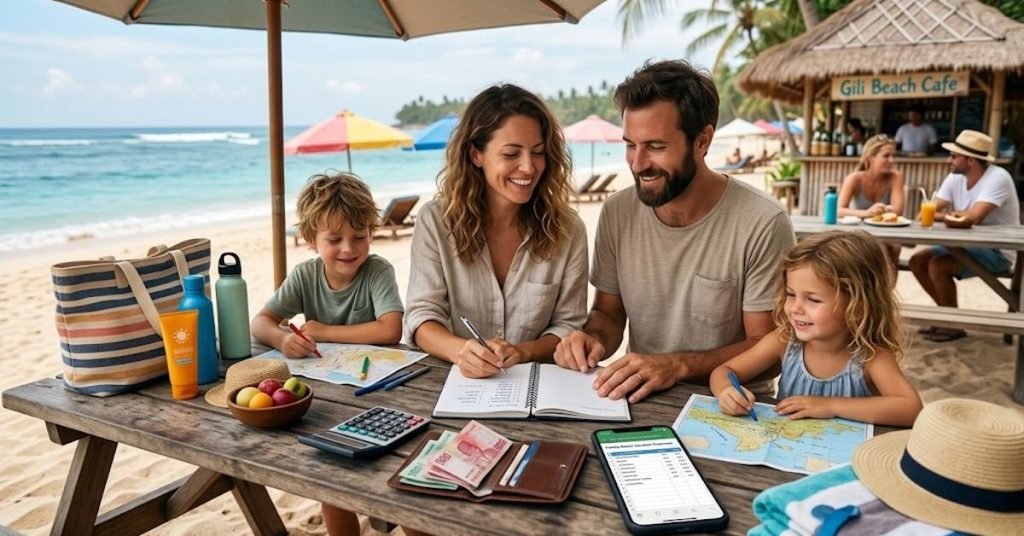
When planning your spending, remember to account for meals, activities, and other daily costs in addition to travel and lodging.
Food, equipment, activities, parking, and unexpected expenses can affect the final cost.
Accommodation and Transportation for Family Beach Trips
Compare hotels, holiday rentals, and resorts using the total cost rather than the advertised nightly rate. Consider taxes, cleaning charges, parking, transfers, fuel, and local transportation.
A property farther from the beach may cost less initially but require extra spending on daily transport. Conversely, accommodation with a kitchen may reduce meal expenses during a longer stay.
Food and Equipment for a Family Friendly Beach
Restaurants near popular beaches can be expensive. Where permitted, carrying snacks and reusable water bottles can help control spending.
Compare equipment rental costs with the cost of bringing your own chairs or shade equipment. Confirm rental availability and any deposit requirements before relying on a service.
Attractions and Emergency Expenses
Choose paid activities that genuinely interest your family instead of trying to book every available excursion. Keep a reserve for unexpected transport, replacement supplies, or changes to your itinerary.
Travel insurance may cover certain unexpected events, depending on the policy. Review exclusions, limits, and cancellation conditions before purchasing.
When comparing resort holidays, Tripzunos’ Best Tropical Vacation Destinations guide provides another useful perspective on evaluating package inclusions and the overall cost of a coastal escape.
Family-Friendly Beach Accommodation
Accommodation can influence how easily your family manages meals, naps, changing clothes, and daily transport.
Beachfront Hotels
Beachfront hotels can reduce walking time and make it easier to return to your room during the day. Check whether the property is close to a suitable beach entrance rather than relying only on photographs or sea views.
Review room layouts, meal options, cancellation terms, and any additional charges before booking.
Holiday Rentals
Holiday rentals may provide extra space, kitchen facilities, and laundry access. These amenities can make the trip more convenient for bigger families and visitors staying for several days.
Confirm the actual walking route to the beach, parking arrangements, cleaning fees, and child-safety features. Do not assume that every property provides baby equipment or suitable safety barriers.
Family Resorts
Some resorts offer children’s activities, pools, family dining, and organised recreation. Check age limits, supervision arrangements, operating hours, and additional costs.
An all-inclusive package is not always the cheapest option. Compare the services included with those your family will actually use.
Family-Friendly Beach Safety Tips
Safety should shape your choice of beach and the way you spend time there.
Supervise Children Near Water
Stay close enough to intervene immediately when young children are near the water. Never assume another adult or a lifeguard is responsible for supervising your child.
Agree on a meeting point in busy areas and explain what children should do if they become separated from the family.
Understanding Currents and Waves at Family Beaches
Ocean conditions can change quickly. Check warning signs, follow local advice, and avoid entering the water when swimming is prohibited or conditions are unsafe.
Protect Against Heat
Take regular shade breaks, drink water frequently, and use suitable sun protection. Children may become overheated while playing and may not recognise the early signs of discomfort.
Reduce outdoor activity during extreme heat and follow local weather warnings. Apply sunscreen according to its directions, including recommended reapplication after swimming or towel-drying.
Respect Local Rules
Observe beach restrictions concerning fires, glass containers, pets, wildlife, and water sports. Avoid protected dunes and habitats, and leave natural areas clean.
Best Time to Visit a Family Beach

The ideal time depends on the destination’s climate, local school holidays, and your budget.
Consider Shoulder Season
Shoulder season falls between a destination’s busiest and quieter travel periods. It may offer more accommodation choices or lower prices, although this is not guaranteed.
Research seasonal weather patterns and check whether lifeguards, restaurants, and other facilities will be operating during your dates.
Plan Around School Holidays
School breaks can make family travel easier to schedule, but popular destinations may be busier and more expensive. Reserving your stay ahead of time can give you more options to choose from.
If your schedule is flexible, compare weekdays and weekends and investigate alternative travel dates.
Leave Room for Bad Weather
Do not make every holiday activity dependent on swimming. Include an aquarium, museum, indoor attraction, or another suitable alternative in your plans.
For broader planning advice, the Travel the World Guide from Tripzunos offers ideas for organising travel around your time, budget, and interests.
Sample Three-Day Family Beach Itinerary
Planning your days ahead of time makes it easier to explore the area at a comfortable pace without feeling hurried.
| Day | Morning | Afternoon | Evening |
| Day 1 | Arrive and settle in | Explore the beach if conditions permit | Have dinner nearby |
| Day 2 | Enjoy beach activities | Rest or visit a local attraction | Take a coastal walk |
| Day 3 | Have a relaxed breakfast | Pack and enjoy a short outing if time allows | Departure or onward travel |
Adjust the schedule to your children’s energy levels and your travel arrangements. If weather conditions become unsuitable, replace beach activities with a safe alternative.
Common Mistakes and How to Avoid Them
Choosing a beach based only on appearance: Research facilities, access, swimming conditions, and recent visitor information.
Underestimating the total cost: Include meals, parking, equipment, transport, and paid attractions in your budget.
Planning too many activities: Choose one main activity each day and leave time for rest.
Forgetting sun protection: Pack suitable clothing, sunscreen, drinking water, and shade equipment.
Assuming lifeguards are always present: Verify whether lifeguards operate at your chosen beach and during your visit.
Booking accommodation without checking access: Confirm walking distances, transport, and the location of essential facilities.
Ignoring weather warnings: Change your plans when conditions become unsafe rather than trying to follow the original itinerary.
Best Practices for Planning Your Trip
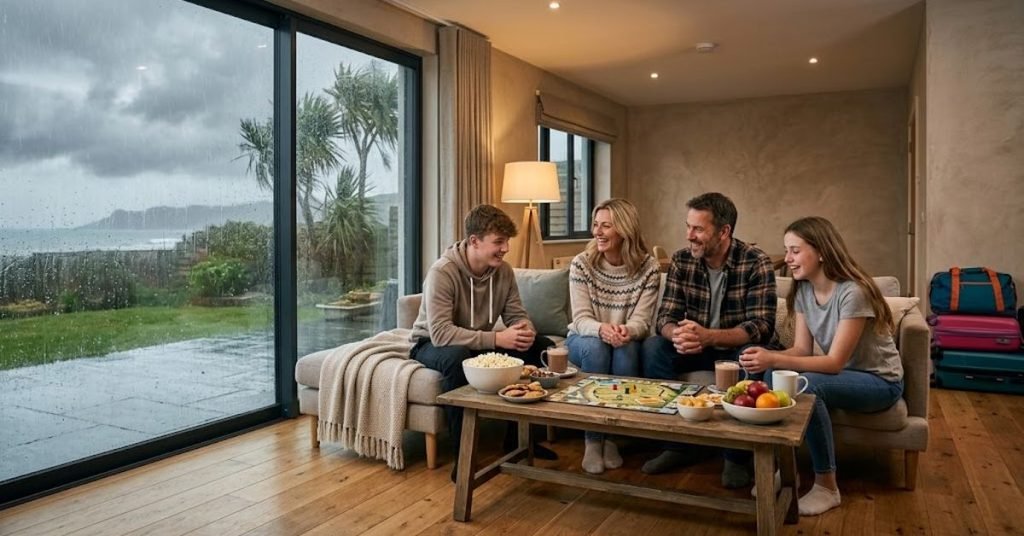
Use these practical steps before leaving home:
- Set a total budget that includes a reserve for unexpected expenses.
- Choose a destination that matches your children’s ages and interests.
- Check official beach information, weather forecasts, and swimming advisories.
- Confirm accommodation, transport, and cancellation arrangements.
- Prepare a packing list suited to the climate and length of stay.
- Save accommodation details and emergency contacts on your phone.
- Keep an alternative activity available for poor weather.
- Explain basic water-safety rules to children before arriving.
- Leave gaps between planned activities to enjoy meals, take breaks, and travel comfortably between places of interest.
- Recheck local conditions before each beach visit.
Key Takeaways
- Choose a beach that suits your family’s needs, taking into account its facilities, accessibility, swimming conditions, and the comfort of every family member.
- Match activities to children’s ages and abilities.
- Compare the full cost of accommodation, transport, meals, and excursions.
- Check local weather and water warnings before visiting.
- Stay within reach of your children whenever they are playing near the shoreline or in the water.
- Build flexibility into your itinerary so a change in conditions does not spoil the holiday.
Frequently Asked Questions
1. What makes a beach family friendly?
A beach is generally more suitable for families when it offers convenient facilities, appropriate activities, accessible routes, and conditions suitable for the planned visit. Lifeguards, restrooms, shade, and nearby food options can make a visit easier, but close adult supervision remains essential.
2. How do I choose a beach for toddlers?
Look for convenient access, nearby changing facilities, shaded seating, and accommodation within a manageable distance. Before heading to the beach, find out about the current water conditions and stay close enough to reach toddlers immediately whenever they are near the water.
3. Are family beach vacations expensive?
Costs vary according to destination, season, accommodation, transport, and activities. Comparing travel dates, choosing practical accommodation, and prioritising free activities can help keep spending under control.
4. What should families bring to the beach?
Pack drinking water, sunscreen, suitable clothing, towels, snacks, a charged phone, and basic first-aid supplies. Families with babies may also need nappies, wipes, feeding supplies, and spare clothes.
5. Is beachfront accommodation worth the cost?
It can be worthwhile when convenient access saves transport time and makes breaks easier. However, accommodation farther away may offer better value. Compare the complete cost and the actual route to the beach.
6. How can families stay safe while swimming?
Use designated swimming areas, follow local warnings, and choose beaches with lifeguards where possible. Keep children under close adult supervision and leave the water when conditions become unsafe.
7. When is the best time to plan a family beach vacation?
The best period depends on the destination’s weather, local school holidays, crowd levels, and your budget. Check seasonal conditions and confirm which facilities will be operating during your visit.
8. What can families do at the beach if swimming is not possible?
Try sandcastle building, a picnic, a coastal walk, nature observation from a safe distance, or a visit to a nearby indoor attraction. Choose activities that suit the weather and follow local restrictions.
Conclusion
Choosing a beach family-friendly destination starts with understanding what will make the holiday comfortable and enjoyable for everyone travelling with you. Beautiful scenery is a bonus, but convenient facilities, suitable activities, manageable travel distances, and safe conditions are just as important.
Begin by considering your children’s ages, your budget, and the type of experience you want. Compare a few destinations, check accommodation locations, and research local beach information before making reservations. Plan activities that suit your family while leaving enough time for meals, rest, and unexpected changes.
Above all, treat water safety and weather conditions as essential parts of your planning. Keep children closely supervised, follow local instructions, and be willing to change your schedule when necessary.
A wonderful beach trip with your family can be simple and affordable, without luxury accommodation or a busy schedule.
Sometimes the best experience comes from a relaxed morning on the sand, a shared meal, and enough time to enjoy being together.
External Links
1. Visit Florida – Family-Friendly Beaches
2. Visit California – Best Family-Friendly Beaches


