

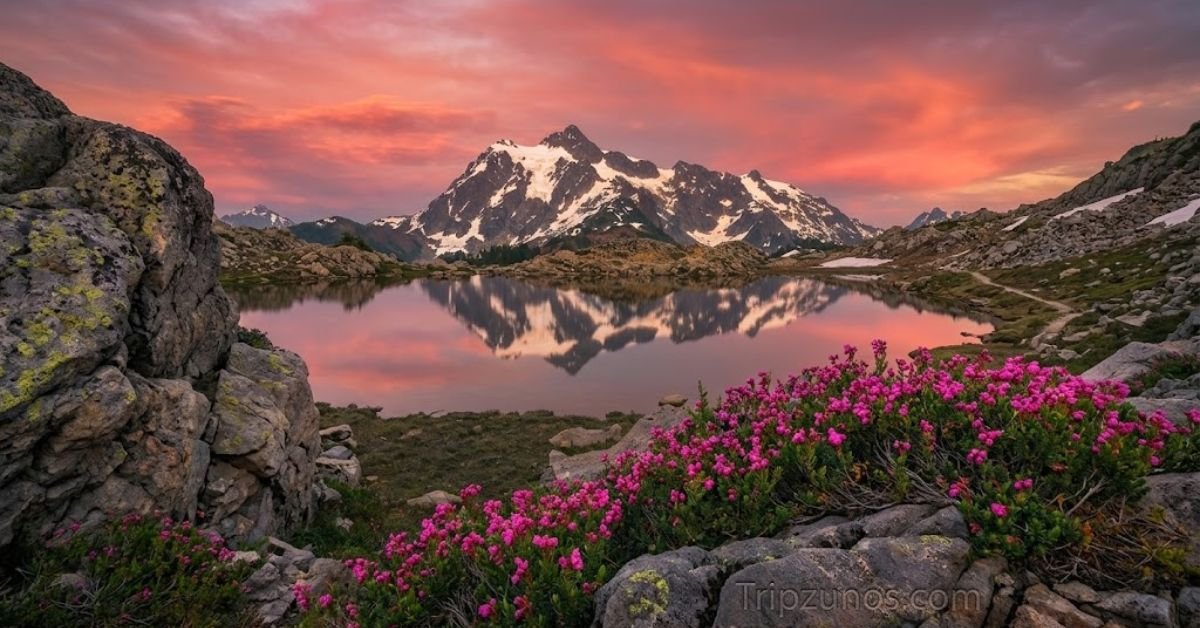
The mountain ranges in the USA offer some of the most beautiful natural views in North America. From snow-covered peaks in Alaska to green hills in the eastern states, these mountains create amazing places for outdoor adventures. They attract hikers, photographers, wildlife lovers, road trippers, and families who want to spend time in nature.
Thank you for reading this post, don't forget to subscribe!The United States has several major mountain systems, along with many smaller ranges. Each region has its own landscape, climate, wildlife, and travel experiences. Some mountains rise above 14,000 feet, while others have lower peaks covered with forests. You can explore deep valleys, clear lakes, rocky cliffs, peaceful trails, and scenic mountain roads.
The Rocky Mountains are famous for their tall peaks and alpine lakes. The Appalachian Mountains offer forest walks and colorful autumn views. The Sierra Nevada features dramatic granite cliffs, while the Cascade Range includes famous volcanic peaks. Alaska also has some of the highest and wildest mountains in the country.
Whether you are planning a hiking holiday or looking for beautiful places to visit, learning about the mountain ranges in the USA can help you choose the right destination. This guide covers the major ranges, their locations, famous attractions, the best visiting seasons, and useful travel tips.
Which Mountain Ranges Are the Most Famous in the USA?
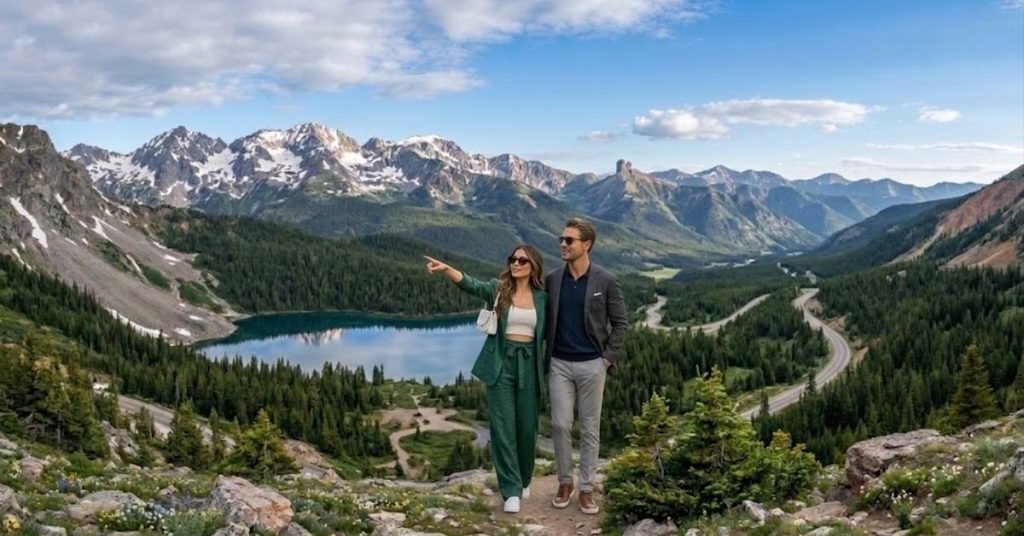
The major mountain ranges in the USA stretch across the western, eastern, and northern parts of the country. The western states contain several tall and rugged mountain systems. The eastern states have older mountain landscapes with rounded peaks and thick forests. Alaska adds another group of dramatic mountains with glaciers and remote wilderness.
The Rocky Mountains and Appalachian Mountains are two of the best-known mountain systems. However, they are only part of the country’s mountain landscape. The Sierra Nevada, Cascade Range, Alaska Range, Brooks Range, and Coast Ranges also have important places in American geography.
According to the National Park Service, these mountain regions formed through different geological processes. Some developed through the movement and collision of Earth’s plates. Others formed through volcanic activity, uplift, or stretching of the Earth’s crust. These processes explain why different ranges have such different shapes and features. Read the National Park Service’s guide to mountain geology.
The table below introduces several major mountain ranges in the USA and the states or regions where you can find them.
| Mountain range | Main location | What makes it special |
| Rocky Mountains | Western United States | Tall peaks, alpine lakes, and mountain parks |
| Appalachian Mountains | Eastern United States | Forests, historic trails, and fall colors |
| Sierra Nevada | California and Nevada | Granite cliffs, waterfalls, and giant trees |
| Cascade Range | Washington, Oregon, and California | Volcanoes, forests, and snowy peaks |
| Alaska Range | Alaska | Denali, glaciers, and remote wilderness |
| Brooks Range | Northern Alaska | Arctic landscapes and quiet wilderness |
| Coast Ranges | Pacific Coast | Mountain views near forests and the ocean |
| Adirondack Mountains | New York | Lakes, forests, and outdoor recreation |
| Ouachita Mountains | Arkansas and Oklahoma | Forested ridges and scenic countryside |
These ranges provide different travel experiences. Your best choice depends on the type of scenery you enjoy, the season you plan to visit, and how much time you have for outdoor activities.
Rocky Mountains: One of the Most Famous Mountain Ranges in the USA
The Rocky Mountains, often called the Rockies, are among the most famous mountain ranges in the USA.They extend from western Canada across several states in the western United States, reaching as far south as New Mexico.
In the United States, the Rockies pass through areas of Montana, Idaho, Wyoming, Colorado, and New Mexico, with the exact boundaries depending on the geographic classification.
The Rockies are known for their high peaks, green valleys, pine forests, and clear mountain lakes.Colorado attracts many visitors with its welcoming mountain towns, beautiful landscapes, and easy access to outdoor adventures.
The region offers opportunities for hiking, camping, wildlife watching, photography, and winter sports.
Mount Elbert in Colorado is the highest summit of the Rocky Mountains within the United States, reaching about 14,440 feet above sea level. However, you do not need to climb a high summit to enjoy the region. Many national parks and scenic roads offer beautiful mountain views without requiring difficult hikes.
Rocky Mountain National Park in Colorado is one of the best places to experience this landscape. Visitors can explore alpine lakes, forest trails, mountain meadows, and scenic drives. The nearby towns of Estes Park and Grand Lake also provide places to stay, eat, and prepare for outdoor adventures. Beautiful Places on Earth
Weather conditions can shift rapidly in mountainous areas, especially at higher elevations. Summer mornings may still be chilly, while afternoon thunderstorms can disrupt outdoor plans. Before starting your hike, review the latest forecast and check for trail closures or safety alerts.
The National Park Service’s Rocky Mountain information can help you plan a visit.
Appalachian Mountains: Scenic Mountain Ranges in the Eastern USA
The Appalachian Mountains form one of the largest and best-known mountain systems in the eastern United States. They extend from the northeastern states toward Alabama and Georgia. Compared with many western mountains, the Appalachians are generally older and have more rounded ridges, although some areas contain steep slopes and rocky summits.
The Appalachian region is famous for its forests, flowing streams, peaceful valleys, and changing autumn colors. It is a great choice for travelers who enjoy nature without always needing to reach high alpine elevations. Many communities throughout the region also have historic sites, local food, and small mountain towns worth exploring.
The Great Smoky Mountains are among the most popular destinations within the Appalachian region. Great Smoky Mountains National Park lies along the Tennessee and North Carolina border. United States Road Trips
Visitors can enjoy forest trails, waterfalls, wildlife viewing, scenic drives, and historic mountain buildings. Spring brings wildflowers, while autumn often attracts visitors who want to see colorful leaves.
The Blue Ridge Mountains are another major part of the Appalachian system. The Blue Ridge Parkway provides access to scenic overlooks, hiking areas, and forested mountain views. It is particularly popular during the fall color season, although traffic and parking can become busy.
The Appalachian Trail also attracts hikers from across the country. It follows a long route through the eastern mountains, with sections suitable for different fitness levels. You can enjoy the trail’s beautiful scenery without hiking its entire length.
For an enjoyable visit, choose a few nearby trails and overlooks rather than trying to cover a large area in one day. Mountain roads can be winding, and fog or rain may reduce visibility.
Sierra Nevada: Dramatic Peaks and Beautiful Mountain Lakes
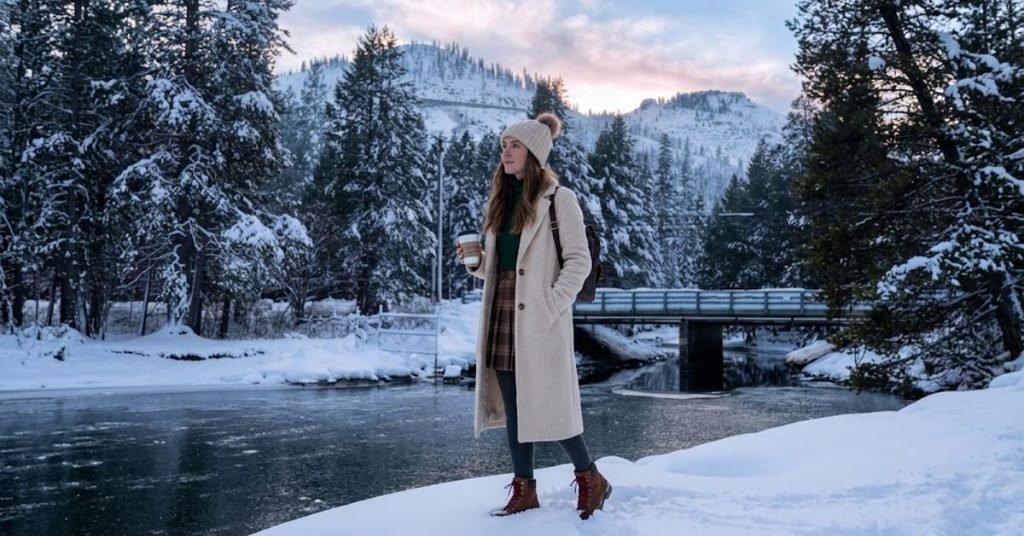
The Sierra Nevada is a major mountain range along eastern California, with parts extending into Nevada. It is famous for its granite cliffs, high mountain peaks, deep valleys, waterfalls, and alpine lakes. Its landscapes attract travelers who want to see some of the most striking mountain scenery in the western United States.
One of the most famous destinations in the Sierra Nevada is Yosemite National Park. The park features enormous granite formations, including El Capitan and Half Dome. Visitors can enjoy waterfalls, forest walks, scenic viewpoints, and longer backcountry hikes. Yosemite Valley is especially popular because several famous natural features are close to its main visitor areas.
The range also contains Mount Whitney, the highest summit in the contiguous United States, at approximately 14,505 feet above sea level. Reaching its summit requires careful planning, suitable fitness, and the necessary permits. Visitors who do not want a demanding climb can enjoy many lower-elevation trails and scenic areas instead.
Lake Tahoe, located on the California-Nevada border, is another major attraction associated with the Sierra Nevada region. Its clear blue water and mountain setting make it popular for boating, swimming in suitable areas, hiking, and winter sports. Conditions vary by season, so check local guidance before entering the water or heading onto mountain trails.
Summer and early autumn are popular times for many high-elevation activities, although snow can remain on some trails well into the warmer months. Winter brings snow and skiing opportunities, but it can also create road closures and difficult travel conditions.
If you want a mix of mountain scenery, outdoor activities, and famous natural landmarks, the Sierra Nevada is an excellent region to consider.
Cascade Range: Volcanic Mountains in the Pacific Northwest
The Cascade Range runs through Washington and Oregon and extends into northern California. It is a key feature of the Pacific Northwest’s diverse mountain scenery. Unlike the forested ridges of many eastern mountains, the Cascades are known for several prominent volcanic peaks, thick evergreen forests, waterfalls, and deep mountain lakes.
Mount Rainier in Washington is one of the most recognizable mountains in the range. Its snow-covered summit rises above surrounding forests and valleys. Mount Rainier National Park offers scenic viewpoints, wildflower meadows, waterfalls, and trails for different experience levels. Weather conditions can change rapidly, especially at higher elevations, so visitors should check forecasts before hiking.
Mount St. Helens is another well-known volcano in the Cascades. The powerful 1980 eruption reshaped the land around the volcano. Today, visitors can learn about volcanic activity, ecological recovery, and the forces that shape mountains. Some areas have designated trails and viewpoints, but access rules can vary.
Crater Lake National Park is one of the highlights of Oregon’s Cascade Mountain region. Crater Lake sits inside a volcanic caldera and is known for its deep blue water and steep surrounding cliffs. The area provides viewpoints and hiking opportunities, although snow can affect access to roads and facilities during colder months. The article uses established geographic information and official park resources, including the National Park services
Summer is generally a popular time for hiking and sightseeing in the Cascades. Spring and autumn can bring rain, lingering snow, or changing road conditions. Winter attracts skiers and snow lovers to suitable areas.
The Cascades are a strong choice for travelers who want forest scenery, volcanic landscapes, and outdoor activities in the same trip. Remember that volcanoes are natural systems, so follow official park guidance and any safety notices during your visit.
Alaska Range: Home to America’s Highest Mountain
The Alaska Range contains some of the highest and most dramatic peaks in the United States. Located in south-central Alaska, it includes Denali, which rises to 20,310 feet above sea level. Denali is the highest mountain in North America and a major landmark for climbers, photographers, and wilderness travelers.
The region has glaciers, rocky ridges, broad valleys, and large areas of wild land. Its remote setting makes it very different from mountain destinations near major cities. Visitors may travel long distances, experience unpredictable weather, and find fewer services outside established visitor areas.
Denali National Park and Preserve is one of the best-known places to explore this mountain region. The park protects a vast landscape where visitors may see wildlife such as caribou, moose, Dall sheep, and bears. Wildlife sightings are never guaranteed, so visitors should observe animals from a safe distance and follow park rules.
You do not need to climb Denali to appreciate the Alaska Range. Scenic viewpoints, guided experiences, wildlife watching, and suitable hiking routes can provide memorable views. However, access to different parts of the park depends on road conditions, seasonal operations, and current restrictions.
Summer is a popular season for visitors because daylight lasts longer and many travel services operate during this period. Even then, temperatures can be low, rain is possible, and mountain weather can change quickly. Bring warm layers and waterproof clothing.
The Alaska Range is best for travelers who value wild scenery and are willing to plan carefully.
Brooks Range: Remote Mountains in Northern Alaska
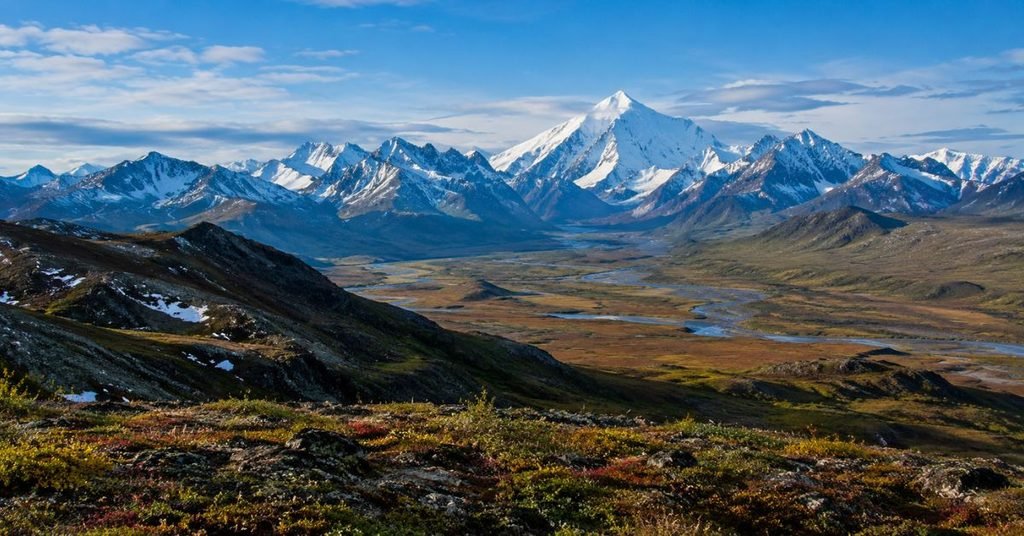
The Brooks Range stretches across northern Alaska and forms one of the country’s most remote mountain regions. It lies far north of the Alaska Range and crosses a landscape of rugged peaks, wide valleys, tundra, and Arctic wilderness.
The Brooks Range is not a typical destination for travelers who want busy resort towns or easy roadside attractions. Much of the region is difficult to reach, and facilities are limited. Its appeal lies in its quiet surroundings, natural habitats, and vast open spaces.
Gates of the Arctic National Park and Preserve protects a large area of this northern landscape. The park has no conventional road network leading through its interior, so visitors need careful preparation. Many trips involve experienced guides, bush flights, or specialized backcountry planning.
Summer can offer long daylight hours and opportunities to explore the tundra, although insects, rain, and changing temperatures can affect comfort. Winter brings severe cold, limited daylight, and conditions that require specialist knowledge and equipment.
Wildlife may include caribou, bears, wolves, and other animals adapted to northern environments. Travelers should keep food secure, stay alert around wild animals, and prepare for sudden weather changes. Remote travel also requires a realistic emergency plan because help may be far away.
The Brooks Range is most suitable for experienced outdoor travelers or people joining a well-planned guided trip. If you prefer easier access, established facilities, and more familiar hiking routes, other mountain ranges may be a better starting point.
For travelers who want to understand Alaska beyond its most famous peaks, the Brooks Range offers a remarkable view of the state’s wild northern landscape.
Coast Ranges: Mountains Near the Pacific Ocean
The Coast Ranges include several mountain areas that follow parts of the Pacific coast from California into Oregon and Washington. Their exact boundaries vary by region, and the term covers a number of separate ranges rather than one continuous chain with identical features.
These mountains create a mix of forested slopes, coastal valleys, rocky viewpoints, and landscapes shaped by rain and ocean weather. Some areas sit near famous beaches, while others lie within protected forests or remote countryside.
California’s Coast Ranges include places where travelers can combine mountain scenery with coastal drives. Depending on the location, visitors may find hiking trails, redwood forests, vineyards, and viewpoints over the Pacific. Northern California has particularly varied scenery, with forested mountains and dramatic coastal sections. Highway 1 California road trip
Oregon’s Coast Range features thick forests, river valleys, and outdoor recreation areas. It can be a good option for travelers who enjoy quiet roads, nature walks, and a cooler, greener landscape. In Washington, coastal mountain areas connect with other distinctive mountain systems and forested national parks.
The weather in these regions can be wet and foggy, especially during cooler months. Summer often provides more comfortable conditions for outdoor exploration, but coastal fog may still affect visibility. Check trail information before visiting because storms can bring fallen trees or muddy paths.
The Coast Ranges are ideal for travelers who do not want to choose between the mountains and the ocean. You can plan a road trip with forest stops, coastal viewpoints, and short hikes, making the region suitable for couples, families, and photography lovers.
Adirondack Mountains: A Nature Escape in New York
The Adirondack Mountains lie in northeastern New York and offer a different kind of mountain experience. Unlike the long Appalachian chain, the Adirondacks form a distinct mountainous region with a landscape shaped by ancient rocks, forests, lakes, and high peaks.
The area is especially popular with people who enjoy hiking, camping, kayaking, fishing, and quiet outdoor holidays. Its many lakes and forest roads make it suitable for travelers who want to combine mountain adventures with relaxing time near the water.
Mount Marcy is the highest peak in New York, reaching approximately 5,344 feet. Experienced hikers often choose it as a challenging day hike, but it requires good preparation, suitable equipment, and enough daylight. Visitors who prefer easier activities can explore shorter trails, lakeside areas, and scenic communities instead.
Lake Placid is one of the best-known places in the region. The town offers places to stay, restaurants, outdoor activities, and access to nearby mountain scenery. It is also associated with the Winter Olympics, making it an interesting destination for sports fans.
Summer and early autumn are popular for hiking and paddling. Autumn brings colorful leaves, although weekends during peak foliage can be busy. Winter offers snow-based activities, but cold weather and icy trails require extra care.
The Adirondacks work well for families, couples, and solo travelers who want a nature-focused holiday without visiting the more crowded western mountain parks. Check local trail reports before setting out, and remember that even moderate hikes can take longer than expected.
Ouachita Mountains: Forested Ridges in the South
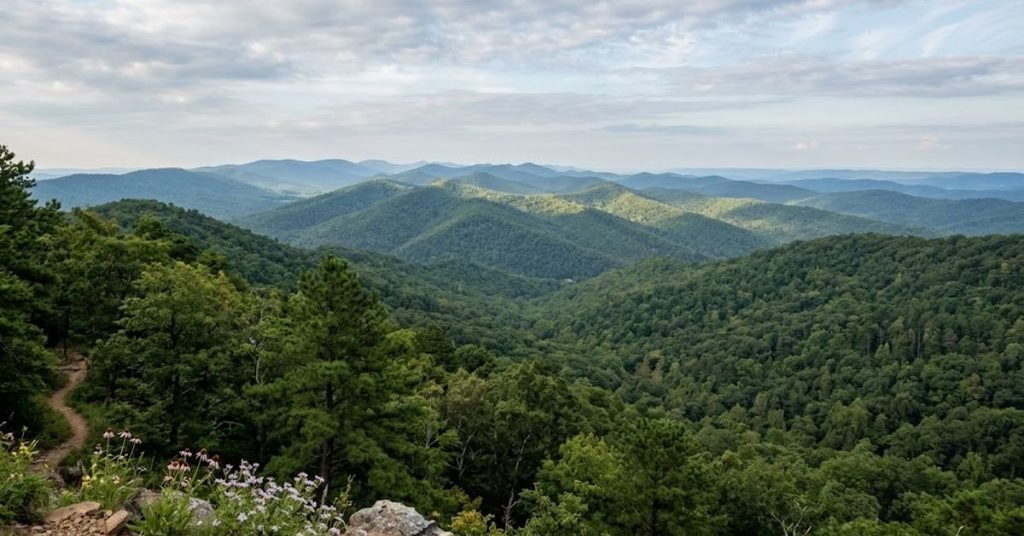
The Ouachita Mountains stretch across western Arkansas and southeastern Oklahoma. Although they receive less attention than the Rockies and Appalachians, these mountains are ideal for travelers seeking wooded hills, beautiful drives, and outdoor adventures in quieter surroundings.
The region features long ridges, wooded valleys, streams, and recreation areas. Its landscape differs from the sharp, snowy peaks of the western United States. Instead, visitors find rolling mountain scenery, green forests, and a relaxed atmosphere suited to road trips and outdoor weekends.
The Ouachita National Forest covers a large area of the region and provides access to hiking, camping, fishing, and scenic drives. Travelers can explore different sections of the forest depending on their interests and the time they have available.
Hot Springs, Arkansas, is another useful base for exploring the wider region. The city is known for its historic bathhouses and access to Hot Springs National Park. Visitors can combine outdoor exploration with time spent enjoying the town’s restaurants, historic streets, and other attractions.
Spring and autumn often bring comfortable conditions for hiking, although rainfall can affect trail surfaces. Summer can be hot and humid, so start outdoor activities early and carry enough drinking water. Winter conditions vary, but cold rain can make trails uncomfortable.
The Ouachita Mountains are a good option for travelers who want a quieter mountain getaway in the southern United States. They are particularly suitable for camping, short hikes, scenic drives, and trips that combine outdoor activities with small-town attractions.
Best Mountain Ranges in the USA for Different Travelers
Not every mountain range offers the same experience. Some regions are better for high-altitude adventures, while others are ideal for scenic drives, family outings, or relaxing weekends. Selecting a destination that matches your interests can simplify the entire trip-planning process.
Travelers who want famous peaks and alpine scenery may prefer the Rocky Mountains or Sierra Nevada. People who enjoy forests, waterfalls, and autumn colors may feel more at home in the Appalachians. The Cascades are a strong choice for those interested in volcanoes and Pacific Northwest landscapes.
Alaska’s mountain ranges appeal to people who want remote wilderness and dramatic scenery. However, they usually require more planning than destinations with established roads, towns, and visitor services. For a relaxed trip with lakes and forest trails, the Adirondacks and Ouachita Mountains may be better choices.
| Travel interest | Recommended range | Places to consider |
| Famous mountain views | Rocky Mountains | Rocky Mountain National Park |
| Forest walks and fall colors | Appalachian Mountains | Blue Ridge Parkway |
| Granite cliffs and waterfalls | Sierra Nevada | Yosemite National Park |
| Volcanoes and snowy peaks | Cascade Range | Mount Rainier National Park |
| Wildlife and wild landscapes | Alaska Range | Denali National Park |
| Remote Arctic scenery | Brooks Range | Gates of the Arctic |
| Lakes and outdoor recreation | Adirondack Mountains | Lake Placid |
| Quiet forest road trips | Ouachita Mountains | Ouachita National Forest |
| Mountain and coastal scenery | Coast Ranges | Selected areas of coastal California and Oregon |
Use these recommendations as a helpful guide, not as rules you must follow. Conditions, facilities, and activity options vary within each range. Check the official website for your chosen park or forest before making reservations or planning a route.
Best Time to Visit Mountain Ranges in the USA
The best time to visit the mountain ranges in the USA depends on the region, elevation, and activities you want to enjoy. A season that works well for a mountain road trip in Tennessee may not be suitable for a high-altitude hike in Colorado or Alaska.
Summer is a popular season for many mountain destinations.As the snow melts, higher-altitude trails become easier to explore, and many parks provide more visitor services during this time. However, popular areas can become crowded, and afternoon thunderstorms may affect hiking plans in some western mountain regions.
Autumn is especially attractive in the Appalachians and Adirondacks because forests turn shades of yellow, orange, and red. Cooler temperatures also make many lower-elevation hikes more comfortable. In western ranges, early autumn can offer clear views, although snow may return to high elevations.
Spring brings wildflowers, flowing streams, and fresh green scenery in many places. However, melting snow can leave trails muddy or unsafe, and some mountain roads remain closed. Winter is best for skiing, snowboarding, and other snow activities in suitable locations, but it requires preparation for cold weather and possible travel delays.
| Season | Best experiences | Important things to know |
| Spring | Wildflowers, waterfalls, lower-elevation hikes | Trails may be muddy or snowy |
| Summer | Hiking, camping, lakes, scenic drives | Crowds, heat, and afternoon storms may occur |
| Autumn | Fall colors, photography, cooler walks | Popular areas can become busy |
| Winter | Skiing, snowboarding, snowy scenery | Snow, ice, and road closures may affect travel |
Always check local forecasts and park updates. Mountain weather can change quickly, and conditions at the summit may differ greatly from those in nearby towns.
Best National Parks for Exploring Mountain Ranges in the USA
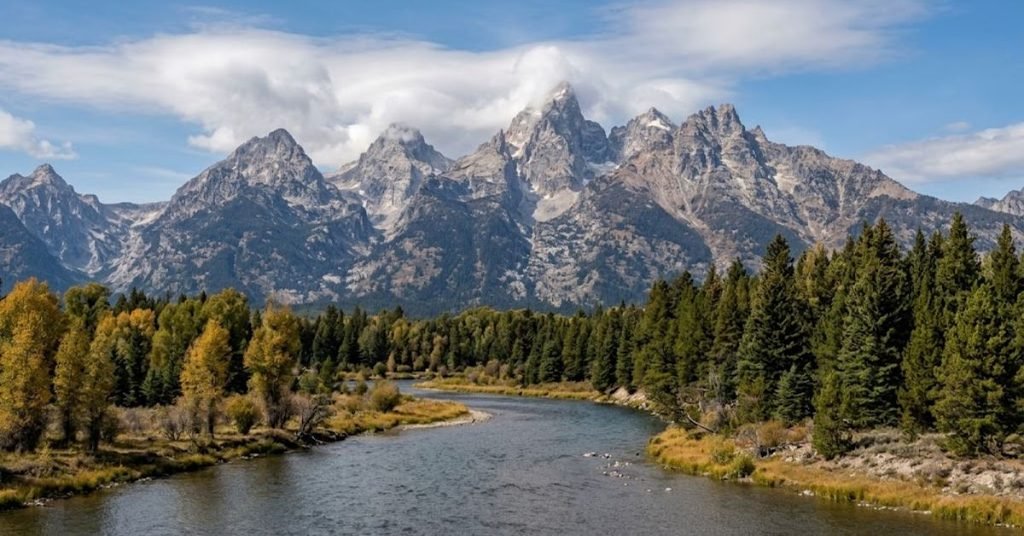
National parks provide some of the easiest ways to experience America’s mountain landscapes. They protect natural features, provide visitor information, and offer access to scenic drives, trails, viewpoints, and educational programs. However, each park has different facilities and access rules.
Rocky Mountain National Park is a strong choice for alpine scenery, wildlife watching, and mountain lakes. Yosemite National Park offers granite cliffs and famous waterfalls in the Sierra Nevada. Great Smoky Mountains National Park provides forest trails, scenic drives, and historic sites within the Appalachian region.
Mount Rainier National Park is known for its volcanic peak, wildflower meadows, and views of glaciers. Denali National Park and Preserve offers opportunities to experience Alaska’s wilderness, although weather and seasonal operations influence what visitors can do.
Crater Lake National Park is another memorable mountain destination. Its deep blue lake fills a volcanic caldera within the Cascade region. Visitors can enjoy viewpoints and selected trails, but snow can affect road access during parts of the year.
Before visiting any park, check entry requirements, parking rules, trail closures, road conditions, and any permit requirements. Some popular hikes require planning, and not every area remains open throughout the year.
For more travel inspiration, you can also explore Tripzunos guides to the best US vacation spots. These guides can help you add mountain destinations to a wider American travel itinerary.
Practical Tips for Planning a Mountain Trip
A successful mountain trip starts with choosing activities that match your experience, fitness, and available time. You do not need to attempt a difficult summit to enjoy a mountain destination. Scenic drives, short walks, lakeside visits, and guided experiences can provide wonderful views with less physical effort.
Research your chosen area before booking accommodation. Mountain destinations may cover large distances, and the nearest town may still be far from the trailhead or viewpoint you want to visit. Check driving times, road access, parking rules, and seasonal opening dates.
Pack clothing that works in layers. Even during summer, high elevations can feel cold, especially early in the morning Pack a waterproof jacket, durable hiking shoes, sun protection, and other essentials suited to the weather and terrain.
Carry food and a map or offline navigation option when exploring areas with limited mobile service.
Respect wildlife and follow local rules. Keep a safe distance from animals, store food as directed, and never feed wild creatures. Stay on marked trails where required, and avoid entering closed areas or walking onto unstable snow and ice.
If you plan to hike, check the trail distance, elevation gain, expected duration, and difficulty before leaving. Let someone know your planned route before heading into remote areas.
Turn back if weather conditions worsen or you no longer feel safe.
Finally, leave enough time to enjoy the scenery. A mountain holiday does not have to be packed with activities. Taking breaks at overlooks, visiting nearby towns, and exploring at a comfortable pace can make the experience more enjoyable.
Why Exploring Mountain Ranges in the USA Is Worth It
The mountain ranges in the USA offer far more than breathtaking peaks and dramatic views. They provide opportunities to discover different landscapes, observe wildlife, learn about geology, and spend time outdoors. From the forests of the Appalachians to the high summits of the Rockies, every region offers its own character.
The western mountain ranges appeal to travelers who love dramatic cliffs, alpine lakes, and high-elevation adventures. The eastern mountains are ideal for forest walks, scenic roads, and colorful autumn landscapes. Alaska provides a sense of wilderness and scale that is difficult to match, while smaller ranges offer quieter alternatives for relaxing outdoor trips.
You can plan a mountain holiday around hiking, photography, camping, winter sports, or a scenic road trip. The best destination is the one that fits your interests, schedule, budget, and comfort level.
Before traveling, research seasonal conditions and check official park guidance. With sensible preparation, you can enjoy mountain scenery safely and make your visit more rewarding.
Frequently Asked Questions
Which mountain ranges are the most prominent in the United States?
The major mountain ranges in the USA include the Rocky Mountains, Appalachian Mountains, Sierra Nevada, Cascade Range, Alaska Range, Brooks Range, and Coast Ranges. Other important ranges include the Adirondacks and Ouachita Mountains. Each offers different landscapes, outdoor activities, and travel opportunities.
Which mountain range is the highest in the USA?
The Alaska Range contains Denali, which reaches 20,310 feet above sea level. Denali stands as the tallest peak in both the United States and North America. Visitors can enjoy views of the mountain and surrounding wilderness without climbing to its summit.
Which mountain ranges in the USA are best for beginners?
The Appalachian Mountains, Adirondacks, and many developed areas of the Rocky Mountains offer trails for different experience levels. Beginners should choose clearly marked routes with suitable distances and elevation gains. Always check current conditions because an easy trail can become dangerous in poor weather.
When is the ideal season to explore mountain ranges across the United States?
Summer and early autumn are popular for many hiking and sightseeing trips. Autumn is especially attractive in the Appalachians because of the fall colors. Winter is suitable for snow sports in selected areas, while spring offers wildflowers and waterfalls but may bring muddy trails and lingering snow.
Can you visit mountain ranges in the USA without hiking?
Yes. Many mountain destinations offer scenic drives, visitor centers, overlooks, wildlife viewing, train journeys, and nearby towns. National parks such as Rocky Mountain, Yosemite, and Great Smoky Mountains provide ways to enjoy mountain scenery without completing a challenging hike. Check road access and seasonal restrictions before visiting.
Final Thoughts
The mountain ranges in the USA offer an incredible variety of landscapes, from the tall Rocky Mountain peaks to the forested Appalachians and the remote mountains of Alaska. Each region has something different to offer, whether you want outdoor adventure, peaceful scenery, wildlife watching, or a memorable road trip.
Choose your destination based on the season, activities, and level of adventure you prefer. Plan, respect nature, and check official travel information before setting out. With the right preparation, exploring America’s mountain regions can become one of the most rewarding parts of your travel experience.


