

Quick Answer
A United States road trip is a flexible way to explore the country’s national parks, coastal scenic highways, charming historic towns, bustling urban centers, and breathtaking natural scenery
The best route depends on your available time, budget, travel season, and interests.
First-time visitors can choose a classic western national park route, a Pacific Coast drive, or an eastern cities itinerary. Plan realistic driving days and leave time to enjoy each stop.
Author Information
Author: Gulnaz Malik
Role: Founder, Publisher & Travel Content Specialist
Experience: 5+ Years in Travel, Destination Research, Tourism, Digital Content & Travel Planning
Content Review: Travel information should be checked against official tourism resources, government websites, and current destination guidance before publication.
Last Updated: October 2026
Introduction
A United States road trip gives travelers the freedom to explore different landscapes, discover small towns, and experience American culture at their own pace.Coastal highways, vast desert landscapes, and majestic mountain parks make every region of the United States unique for travelers.
However, planning a successful trip takes more than choosing attractive places on a map. You also need to consider driving distances, accommodation, fuel, seasonal weather, and the time required at each destination.
This guide covers route selection, the best time to travel, must-see stops, budget planning, and practical ways to avoid common mistakes for a smoother road trip.
It also includes practical itineraries for travelers with different schedules.
Table of Contents
- Best United States Road Trip Routes
- Top Destinations to Explore on a United States Road Trip
- When Should You Plan a United States Road Trip?
- How to Plan Your Route
- Sample Road Trip Itineraries
- Transportation and Car Rental Tips
- Road Trip Budget and Costs
- Accommodation and Food
- Safety and Common Mistakes
- Best Practices for a Better Journey
- Key Takeaways
- Conclusion
- Frequently Asked Questions
Best United States Road Trip Routes

The best United States road trip route depends on what you want to experience. Coastal scenery, national parks, historic cities, and desert landscapes each suit different travel styles.
Instead of trying to cross the entire country in one visit, choose a region and explore it properly. This approach reduces exhausting driving days and gives you more time for sightseeing.
1. United States Road Trip: Pacific Coast Highway
Best for: Coastal scenery, photography, couples, and relaxed drives
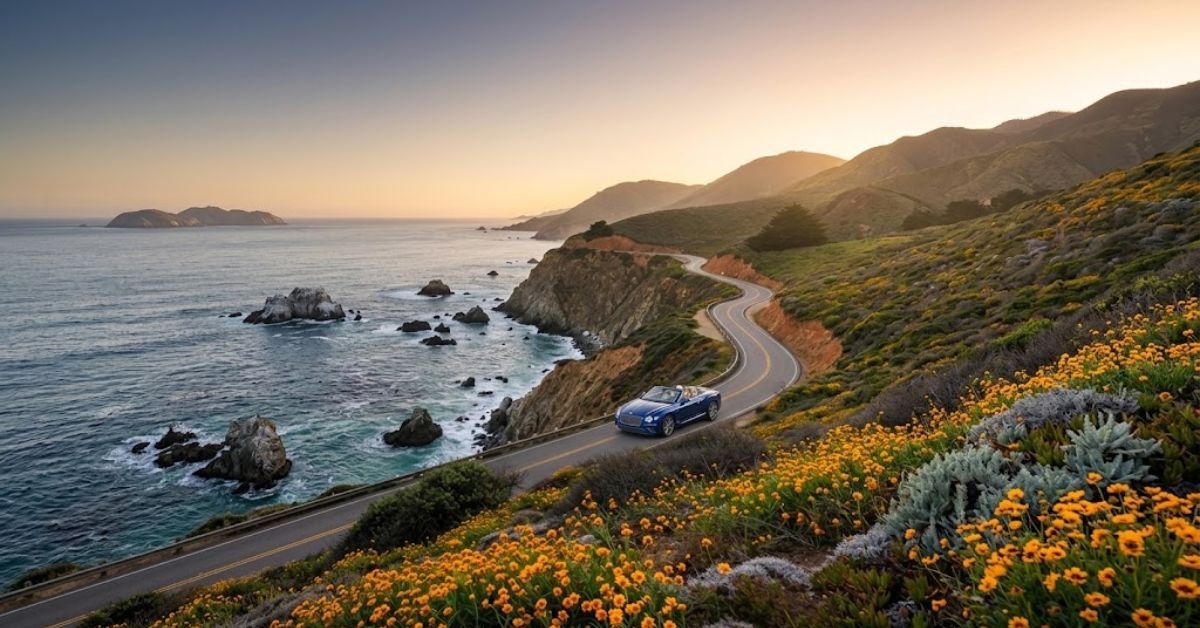
The California coast is a strong choice for travelers who enjoy ocean views, seaside towns, and scenic stops. A route through the Monterey area, Big Sur, and the Central Coast can combine beaches, viewpoints, local restaurants, and short walks.
Start by exploring San Francisco or another convenient city, then plan a coastal journey around your available days. Monterey offers opportunities to explore the waterfront, while Big Sur is known for rugged cliffs and dramatic ocean views.
Enjoy the journey at a comfortable pace instead of rushing to reach each destination. Coastal roads can be winding, and popular viewpoints may require extra time for parking.
Before departure, check current road conditions. Sections of Highway 1 can close because of landslides, erosion, or construction.
2. United States Road Trip: Southwest National Parks
Ideal for: Outdoor enthusiasts, nature photographers, hiking fans, and travelers who love exploring the wilderness.
A Southwest road trip can connect some of the country’s most recognizable desert landscapes. Depending on your starting point and trip length, possible stops include Zion National Park, Bryce Canyon National Park, the Grand Canyon, and nearby communities.
These destinations offer different experiences. Zion is known for towering canyon walls and trails, while Bryce Canyon features distinctive rock formations. The Grand Canyon offers breathtaking overlooks where visitors can admire its vast rock formations and discover the geological forces that shaped the landscape.
Allow enough time for each park. Driving between attractions, finding parking, hiking, and using park shuttles can take longer than expected.
Check park alerts and reservation requirements before setting off. Some locations have seasonal restrictions or limited access to particular areas.
3. United States Road Trip: New England Fall Colors
Best for: Autumn scenery, small towns, couples, and photographers
New England is especially appealing during autumn, when forests and countryside can display vibrant seasonal colors.
A route through Vermont, New Hampshire, and parts of Maine or Massachusetts can include village centers, covered bridges, local farms, mountain viewpoints, and historic streets.
This route is ideal for travelers who enjoy taking brief drives and making frequent stops to appreciate the surrounding scenery.
You can spend a morning exploring a small town, enjoy lunch at a local restaurant, and continue toward a countryside inn.
Fall foliage timing varies with temperatures, rainfall, elevation, and location. Avoid planning your entire trip around a single predicted peak-color date.
4. United States Road Trip: Florida Coast
Best for: Beaches, families, warm-weather escapes, and waterfront towns
Florida offers a different road-trip experience, with sandy beaches, coastal communities, nature areas, and lively cities.
You might combine Miami with the Florida Keys, or explore a section of the Gulf Coast.You could pair Miami with a drive through the Florida Keys or discover a stretch of the Gulf Coast. Your route should reflect your travel interests, whether you’re drawn to lively cities, quiet coastal escapes, opportunities to spot wildlife, or exciting water-based adventures.
Driving through the Florida Keys is especially rewarding, with beautiful ocean scenery accompanying you along the way.
During busy travel periods, expect possible traffic delays, fewer parking spaces, and more expensive hotel stays.
Avoid squeezing too many destinations into your itinerary.Allow some free time for a swim, relaxing by the beach, and trying local restaurants to make your getaway more enjoyable.
5. United States Road Trip: Blue Ridge Parkway
Best for: Mountain views, peaceful drives, hiking, and nature
The Blue Ridge area appeals to travelers who love wooded mountain scenery, panoramic viewpoints, curving highways, and charming towns rooted in Appalachian culture.
A route through parts of Virginia and North Carolina can combine scenic drives with hiking trails, local food, historic sites, and mountain towns.
This is not a route to rush. The scenic road is designed for enjoying the landscape, and travel time can differ significantly from ordinary highway journeys.
Check official road alerts before departure. Weather, maintenance, and seasonal closures can affect access to individual sections.
Top Destinations to Explore on a United States Road Trip
The United States is too large to cover fully in one ordinary vacation. Choosing a handful of Consider adding a few different stops to your itinerary.
National parks: Visit these protected areas to explore hiking trails, observe wildlife, admire unique geological formations, and enjoy breathtaking views from scenic overlooks.
- Coastal towns: Explore waterfront walks, local seafood, beaches, and small independent shops.
- Historic cities: Combine museums, architecture, cultural attractions, and local food.
- Mountain towns: Visit charming communities nestled in the mountains, where you can explore nearby hiking trails, take in sweeping landscapes, stay in a comfortable cabin, and discover the area’s local heritage and traditions.
- Desert destinations: Enjoy unusual rock formations, open landscapes, photography, and stargazing where conditions allow.
- Small towns: Break up long drives with local cafés, historic main streets, markets, and independent businesses.
The best stops are not always the most famous ones. A smaller town along your route may offer a relaxing overnight stay and a welcome break from busy attractions.
If you enjoy building a personal travel wish list, explore Tripzunos’ guide to bucket list travel destinations for inspiration beyond one particular region.
When Should You Plan a United States Road Trip?
The ideal season for your trip will depend on the route you choose, your preferred weather, and the experiences you want to enjoy along the way.
.Spring and fall often bring pleasant weather for road travel across many parts of the country. Summer can be a good time to explore mountain areas, although other destinations may experience intense heat, heavier traffic, and larger crowds.
| Season | Best suited for | What to consider |
| Spring | Desert parks, southern routes, city trips | Rain, changing temperatures, and mountain snow |
| Summer | Northern parks, mountain drives, coastal holidays | Crowds, higher demand, and desert heat |
| Autumn | Fall foliage, wine regions, scenic towns | Shorter days and changing weather |
| Winter | Southern cities, some coastal routes, warm-weather escapes | Snow, ice, mountain closures, and holiday demand |
These are general patterns rather than guarantees. Conditions can differ within the same state, particularly between coastal areas, mountains, and deserts.
Before booking, research the specific route and check the forecast. For national parks, confirm seasonal access, road closures, entrance requirements, and available facilities.
Is Summer Best for a United States Road Trip?
Summer is a popular choice for exploring the United States by car, especially if you plan to visit northern states, cooler mountain regions, or selected coastal destinations.
Popular national parks and vacation destinations can get busy during peak travel seasons. Reserve your accommodation in advance and map out your stops early to avoid unnecessary delays and enjoy a more relaxed journey.
Desert destinations may experience intense heat. Plan outdoor activities carefully, carry sufficient water, and avoid strenuous walks during dangerous conditions.
Is Fall Ideal for a United States Road Trip?
Yes. Autumn can be excellent for foliage, countryside drives, and cooler weather in many regions. New England and parts of the Appalachian Mountains are popular choices.
However, foliage changes from year to year. Check local updates and remain flexible with your itinerary.
How to Plan Your United States Road Trip

A successful trip begins with a realistic route. Start by choosing your departure point, deciding how much time you have, and selecting the experiences you enjoy most, whether that means exploring cities, discovering natural landscapes, relaxing on beaches, or combining several types of destinations.
Step 1: Choose a starting city
Your arrival city can significantly affect the cost and length of your journey.
For example, a California coastal route might begin in San Francisco or Los Angeles. A Southwest park trip might start near Las Vegas or another convenient regional gateway.
Compare flight prices, car rental availability, accommodation, and the distance from the airport to your first destination.
Step 2: Set a realistic driving schedule
Do not calculate driving time using distance alone. Traffic, roadworks, fuel stops, meals, parking, and sightseeing all affect your schedule.
A day with several hours behind the wheel may leave little time for attractions.If you’re traveling with children or planning hiking activities, keep your itinerary flexible so you have enough time for breaks, outdoor exploration, and unexpected changes along the way.
Make the travel advice more conciseAdd a practical flexibility example
Use the following planning guide as a starting point.
| Available time | Suggested approach | Planning priority |
| 3–4 days | One compact region | Minimize driving |
| 5–7 days | One major route | Allow time for key stops |
| 10–14 days | A larger regional circuit | Balance travel and exploration |
| 3 weeks or more | A longer multi-region journey | Account for long transfers |
These are planning suggestions, not fixed limits. The ideal length depends on your route and the activities you choose.
Step 3: Decide which attractions matter most
Make a list of the destinations you’re most excited to explore. Rank them according to importance, then place them in a sensible geographic order.
Avoid adding destinations simply because they appear popular online. A location that requires a long detour may not be worth including if your schedule is tight.
Step 4: Book essential arrangements
Reserve accommodation and rental cars when your dates are firm, especially during holidays and popular travel seasons.
Check cancellation terms and any additional fees. Before visiting a national park, check its official website to see whether you need an entry reservation, a campsite booking, a special permit, or a timed-entry pass.
Step 5: Prepare a backup route
Weather, road closures, vehicle problems, and unexpected delays can disrupt a carefully planned trip.
Identify alternative stops and accommodation options where practical. Save maps for offline use in areas with unreliable mobile coverage.
A flexible plan helps you adjust without losing the main purpose of your journey.
Sample United States Road Trip Itineraries
These sample itineraries can help you plan a balanced road trip, giving you time to enjoy each destination without cramming too many stops into your schedule.
Driving times and access depend on your exact route, traffic, weather, and seasonal conditions, so confirm details before departure.
A 3-Day California Coastal Road Trip
Best for: A short scenic escape
Day 1: San Francisco and Monterey
Explore San Francisco in the morning if your schedule permits. Then travel toward Monterey and enjoy the waterfront or nearby attractions.
Day 2: Monterey and Big Sur
Set aside the day for coastal viewpoints and selected stops along the Big Sur area. Check Highway 1 access before leaving and avoid planning too many activities.
Day 3: Return journey
Enjoy a relaxed breakfast and one nearby attraction before returning to your starting point or continuing to your next destination.
This itinerary is best treated as a sample. If you want more hiking or several nights on the coast, add extra days rather than rushing.
A 5-Day United States Road Trip Through Southwest Parks
Best for: Landscapes and outdoor activities
Day 1: Arrive near your chosen gateway
Collect your vehicle, buy essential supplies, and stay somewhere convenient for the first drive.
Day 2: Explore Zion National Park
Choose hiking routes and scenic overlooks that fit your physical ability and the amount of time you have available.
Before setting off, compare your travel options and check official park websites for current conditions, entry rules, and any temporary closures.
Day 3: Visit Bryce Canyon National Park
Spend time at selected overlooks or walking trails. Dress for the weather and allow time for photography.
Day 4: Continue toward another regional highlight
Choose a destination that fits your route and interests. Do not add a distant attraction if it leaves insufficient time to enjoy the journey.
Day 5: Return or depart
Allow enough time to reach your airport or next overnight stop. Avoid booking an early departure after a long drive.
Keep in mind that this sample itinerary is only a planning guide. Visiting every park within five days may feel rushed, depending on driving distances, trail conditions, and how much time you want to spend at each location.
A 7-Day New England Road Trip
Best for: Small towns, countryside, and seasonal scenery
- Day 1: Arrive in Boston and explore a manageable part of the city.
- Day 2: Travel toward a selected destination in New Hampshire.
- Day 3: Enjoy mountain scenery, short hikes, or local attractions.
- Day 4: Travel through Vermont and discover a charming village, scenic backroads, or peaceful countryside.
- Day 5: Spend your final day browsing local markets, visiting historic landmarks, and stopping at viewpoints before wrapping up your journey.
- Day 6: Choose another nearby town or spend extra time in your favorite area.
- Day 7: Return to your departure city or airport.
For autumn travel, research local foliage conditions before deciding on exact dates. During winter, driving through mountainous areas calls for extra preparation, including suitable vehicle equipment, awareness of icy roads, and careful checks of weather forecasts and road closures.
Transportation and Car Rental Tips
A rental car is useful for routes with scattered attractions or limited public transportation. Keep in mind that a low advertised price may not reflect the full amount you’ll pay once additional fees and travel expenses are included.
Before booking, compare:
- Daily rental price and taxes.
- Insurance and damage coverage.
- Mileage limits, if any.
- Fuel policy and expected fuel costs.
- Parking fees at hotels and attractions.
- Additional driver charges.
- One-way drop-off fees.
- Vehicle size and luggage capacity.
Confirm with the rental company in advance that your driver’s license meets its requirements.
International visitors should also check whether their license and any additional documentation meet the applicable rules.
Choose a vehicle suited to the route. A standard car may be enough for ordinary paved roads, while some remote routes require careful assessment of road conditions and vehicle restrictions.
Do not assume a larger vehicle is automatically safer or necessary. Follow the rental agreement and local road rules.
Should you drive or use public transportation?
| Option | Works best for | Main consideration |
| Rental car | Scenic routes and remote attractions | Fuel, parking, and insurance |
| Train | Connected cities and selected corridors | Fixed schedules and route coverage |
| Bus | Budget-conscious intercity travel | Travel time and stop locations |
| Domestic flight | Long distances between regions | Airport transfers and baggage costs |
For a trip focused on major cities, you may not need a car for the entire visit. Public transportation can be easier in dense urban areas where parking is limited.
For remote national parks, compare available shuttles, tours, and rental options before deciding.
Road Trip Budget: How Much Should You Expect to Spend?
The cost of a United States road trip depends on the number of travelers, route, accommodation, vehicle, and season. A short regional trip can cost much less than a long journey through several states.
Build your budget around the complete trip rather than one advertised price.
| Expense | What affects the cost | How to manage it |
| Rental car | Dates, vehicle, insurance, and fees | Compare total quotes |
| Fuel | Distance, vehicle efficiency, and local prices | Plan a realistic route |
| Accommodation | Location, season, and room type | Book strategically |
| Food | Restaurant choices and meal frequency | Mix casual meals with dining out |
| Activities | Entry fees, tours, and permits | Prioritize the experiences you value |
| Parking and tolls | Cities and selected routes | Check costs in advance |
How Can You Cut Costs on a Road Trip?
First, reduce unnecessary driving. A shorter route can save fuel and accommodation costs while giving you more time at each stop.
Second, compare lodging outside the busiest tourist areas. However, consider the extra travel time and parking costs before choosing a distant hotel.
You can also pack snacks, refill water bottles where safe, and combine free scenic stops with selected paid activities.
If you are traveling as a group, sharing a vehicle and accommodation can reduce the cost per person. Calculate the total before assuming that driving is cheaper than flying.
Keep an emergency reserve for unexpected accommodation, repairs, medical needs, or route changes. Do not spend your entire budget before departure.
Where to Stay and What to Eat

Accommodation choices should reflect your route and the experience you want. A centrally located hotel may suit a city visit, while a cabin or lodge can work better near outdoor attractions.
Consider these options:
- Hotels and motels: Convenient for overnight stops and established travel corridors.
- Vacation rentals: Useful for groups and longer stays, depending on location and fees.
- Cabins and lodges: Suitable for some mountain and nature destinations.
- Campgrounds: An option for travelers who enjoy outdoor stays and have suitable equipment.
- City accommodation: Often most convenient when you want to explore on foot or use public transportation.
Check recent property information, parking arrangements, cancellation policies, and the distance to your main attractions.
Food is another way to experience regional culture. Try local diners, independent cafés, regional specialties, farmers’ markets, and restaurants that reflect the places you visit.
For a relaxed trip, plan a few food stops without turning every meal into a long detour. If you follow a specific diet, look up suitable restaurants and grocery stores along your route before heading into remote areas where food choices may be limited
Road Trip Safety and Common Mistakes
A memorable trip also requires careful decisions on the road. Long distances, unfamiliar driving conditions, changing weather, and remote locations can create challenges if you do not prepare.
Common mistakes to avoid
1. Planning too many destinations
A packed route can turn a holiday into a series of exhausting transfers. Choose a few priorities and leave time for unexpected discoveries.
2. Underestimating driving time
A map may show a short journey, but traffic, construction, weather, and scenic stops can add hours. Review the full day’s plan before departure.
3. Ignoring seasonal conditions
Snow, extreme heat, storms, and wildfire-related closures can affect different regions. Check conditions close to your travel date.
4. Forgetting to check park access
Some attractions require advance reservations or have seasonal operating restrictions. Confirm the latest information through official sources.
5. Driving while tired
Never compromise your safety by driving while exhausted just to stay on a tight schedule. Take breaks, rest when needed, and adjust your plans to ensure a safer, more enjoyable journey. Stop somewhere safe, take a break, or stay overnight if needed.
6. Relying entirely on mobile navigation
Mobile coverage can be limited in remote areas. Download offline maps and keep a backup plan for finding your route.
7. Leaving essentials behind
Carry identification, necessary medication, water, suitable clothing, a phone charger, and basic emergency supplies. Adapt your packing list to the route and season.
8. Forgetting the return journey
Allow sufficient time to return your rental car, reach the airport, or arrive at your final accommodation. Build a buffer for delays.
Troubleshooting Unexpected Road Trip Problems
Even a well-planned trip can change. A simple response plan helps you handle problems without making the situation worse.
- Road closures: Look for closure alerts on official transport or park websites and plan a safe alternative route if your original road is blocked.
- Vehicle trouble: Move to a safe location if possible, contact roadside assistance, and follow the rental company’s procedures.
- Bad weather: Delay travel when conditions are unsafe. Replace outdoor activities with a suitable alternative.
- Lost belongings: Contact the relevant hotel, transport provider, or attraction. Keep essential documents and valuables secure.
- Unexpected costs: Review your remaining budget and prioritize safe transport and accommodation.
- Poor mobile coverage: Use downloaded maps and tell someone your general itinerary before entering remote areas.
- Park or attraction closure: Check official notices and choose a nearby alternative rather than attempting to bypass restrictions.
Before your visit, consult the national park’s official website for the latest visitor rules, entrance policies, trail updates, road closures, and any required permits or advance bookings.
Best Practices for a Better Journey

A good United States road trip balances preparation with flexibility. Plan the essentials in advance, but leave enough time to enjoy places that turn out to be more interesting than expected.
Follow these practical habits:
- Choose a route that matches your available days.
- Before setting off on a long drive, review the latest weather forecasts and road reports to prepare for possible storms, heavy traffic, icy surfaces, or unexpected closures.
- Book essential accommodation and popular activities early.
- Compare the full rental-car cost before confirming a booking.
- Keep important documents and emergency contacts accessible.
- Save maps and reservations for offline access.
- Schedule frequent rest stops during your journey, and take turns behind the wheel with another licensed driver whenever possible to reduce fatigue and stay alert.
- Respect speed limits, wildlife, and local regulations.
- Carry suitable water, food, clothing, and supplies.
- Avoid driving through unsafe weather simply to maintain a schedule.
- Keep some flexibility for unplanned stops and local discoveries.
If you prefer a shorter getaway, explore our best weekend trip ideas for inspiration on planning a quick escape without committing to a long cross-country journey
Key Takeaways
- Choose a region before planning individual attractions.
- California’s coast, the Southwest, New England, Florida, and the Blue Ridge region offer different road-trip experiences.
- Match your route to the season, budget, and available time.
- Keep daily driving distances realistic.
- Check rental terms, parking, fuel, and accommodation costs.
- Verify national park reservations and road access before traveling.
- Prepare offline navigation and a backup itinerary.
- Avoid driving while tired or in unsafe weather.
- Leave time to explore local food, towns, and scenic stops.
- Use official travel resources to confirm information that can change.
Conclusion
A United States road trip can be much more than a drive between famous attractions. It can be an opportunity to explore regional culture, discover unexpected places, and enjoy landscapes that change dramatically from one area to another.
The key is choosing a route that fits your real schedule. Research driving conditions, calculate the full cost, and decide which experiences matter most. Then build an itinerary that gives you enough time to enjoy each stop without constantly watching the clock.
Start by choosing your preferred region and travel dates. Compare two or three possible routes, estimate the total cost, and confirm the most important bookings before setting off.
With a realistic plan and room for flexibility, you can make the journey itself a memorable part of the vacation.
Frequently Asked Questions
1. How many days do you need for a United States road trip?
A three- to four-day trip is often enough to explore a nearby region, enjoy a few scenic stops, and travel at a relaxed pace without covering long distances.
2. What is the best United States road trip for first-time visitors?
A California coastal drive or a manageable Southwest national parks route can be a good starting point, depending on your interests and travel season.
3. When should I plan a United States road trip?
Spring and autumn suit many routes, but the best time depends on the region. Check local weather, road access, and seasonal closures before booking.
4. How much does a United States road trip cost?
Costs vary with vehicle rental, fuel, lodging, food, activities, and trip length. Calculate the complete budget rather than relying on a single daily estimate.
5. Is renting a car necessary for a United States road trip?
A car is helpful for scenic routes and remote attractions. When exploring major cities, using trains, buses, or other forms of public transit can be easier and more practical than driving and finding parking.
6. What should I pack for a United States road trip?
Pack identification, suitable clothing, medication, chargers, water, snacks, navigation tools, and emergency supplies appropriate for your route and season.
7. Can I visit national parks during a road trip?
Yes. Many routes include national parks, but check each park’s current access rules, road conditions, fees, and reservation requirements before visiting.
8. How can I save money on a United States road trip?
Choose a manageable route, compare accommodation and rental costs, share expenses when traveling in a group, and mix free attractions with selected paid experiences.
9. Are United States road trips suitable for families?
Yes, families can enjoy a road trip by planning shorter driving days, booking comfortable places to stay, and choosing destinations with family-friendly activities, accessible facilities, regular rest stops, and room for schedule changes.
10. What should I do if a road closes during my trip?
Check official road updates, choose a safe alternative route, and adjust your schedule. Never attempt to cross a closed road or bypass a safety restriction.


