


Quick Answer
A Travel the World Guide helps you turn a big travel dream into a realistic plan.
Start by choosing destinations that match your budget, season, interests, and available time. Then check entry requirements, arrange transportation and accommodation, plan daily activities, and keep room for unexpected changes.
A flexible plan usually makes international travel easier and more enjoyable.
Author Information
Author: Gulnaz Malik
Role: Founder, Publisher & Travel Content Specialist
Experience: 5+ Years in Travel, Destination Research, Tourism, Digital Content & Travel Planning
Content Review: We research travel information using official government resources, tourism information, recognized travel authorities, and practical destination research. Readers should verify changing entry rules, transportation details, prices, and local regulations before booking.
Last Updated: October 2026
Introduction
Travel the World Guide planning starts with one simple question: What kind of journey do you actually want?
Seeing different countries can be exciting, but planning a long international trip requires more than choosing beautiful places. You need to consider seasons, transportation, accommodation, documents, costs, local customs, and how much time you can realistically spend away.
A good plan does not need to fill every hour. Instead, it should give you enough structure to travel comfortably while leaving space for spontaneous experiences.
This guide explains how to choose destinations, organize your route, control expenses, select accommodation, prepare documents, and handle common travel problems.
Table of Contents
- How to Start Your Travel the World Guide
- Where Should You Travel Around the World?
- How to Build a World Travel Route
- How Much Does World Travel Cost?
- How to Travel Between Countries
- Where Should You Stay?
- What Should You Do During a World Trip?
- What Should You Pack?
- Common Mistakes to Avoid
- Troubleshooting Travel Problems
- Best Practices for International Travel
- Key Takeaways
- Conclusion
- Frequently Asked Questions
How to Start Your Travel the World Guide

The best place to start is not with flights. Start with your travel priorities.
Think about the experience you want. You might prefer beaches, historic cities, mountain scenery, food, museums, wildlife, shopping, or outdoor adventures. Your interests can quickly narrow a huge list of destinations.
Next, consider your available time.
Someone with two weeks should build a very different route from someone taking six months. Trying to visit too many countries can turn a relaxing holiday into a sequence of airports, hotel check-ins, and rushed sightseeing.
Before booking anything, write down:
- Your total travel time
- Approximate budget
- Preferred travel season
- Countries you want to see
- Activities you care about most
- Passport and visa requirements
- Preferred accommodation style
- Comfort level with long journeys
Then arrange destinations around these priorities.
A practical Travel the World Guide should also account for changing conditions. Entry rules, transport schedules, prices, and local regulations can change. Check official sources shortly before departure instead of relying only on older travel information. The U.S. Department of State, for example, recommends checking destination-specific entry requirements, local laws, travel advisories, and other current guidance before international travel. International Travel Planning Guidance
Where Should You Travel Around the World?
No single set of destinations will suit every traveler’s interests and travel style.
The right choices depend on your interests, budget, season, and travel style.
Europe for History, Cities, and Easy Variety
Europe can work well for travelers who want several different experiences within one broader trip.
You could combine historic cities with coastal destinations, countryside stays, or mountain regions. Popular travel styles include city breaks, food-focused trips, cultural holidays, and scenic road journeys.
However, avoid treating Europe as one destination. Each country has its own transport system, prices, customs, and entry conditions.
Asia for Food, Culture, and Diverse Landscapes
Asia offers enormous variety.
Travelers can explore historic neighborhoods, tropical islands, mountain regions, modern cities, traditional markets, and cultural sites. Countries across the region also offer different accommodation and food options for different budgets.
The key is to avoid squeezing too many countries into one short holiday. Choose a small group of destinations and spend enough time in each to experience more than the main tourist attractions.
Africa for Wildlife, Nature, and Distinctive Experiences

Africa can suit travelers interested in wildlife, landscapes, cultural experiences, beaches, and outdoor adventures.
A trip might focus on safari experiences, mountain scenery, desert landscapes, coastal areas, or major cities. Distances can be significant, so transportation planning matters.
Research seasonal conditions carefully before booking activities. Wildlife viewing, road conditions, weather, and park access can vary by destination and season.
The Americas for Road Trips, Cities, and Nature
North, Central, and South America provide a wide range of travel experiences.
You can combine large cities with national parks, beaches, mountains, cultural destinations, and scenic drives. Because distances can be substantial, check actual journey times before adding another destination to your itinerary.
A map may make two places look close together while the real journey involves multiple connections.
Oceania for Beaches and Outdoor Adventures
Australia, New Zealand, and Pacific destinations can appeal to travelers seeking beaches, dramatic scenery, wildlife, hiking, and outdoor activities.
The main challenge is often distance. Flights between regions can take considerable time, so building a region-focused itinerary can make more sense than trying to see everything in one visit.
How to Build a World Travel Route
A strong route connects destinations logically instead of simply collecting famous names.
Start by selecting your must-see destination. Then add nearby or well-connected places.
For example, if your main goal is a particular European city, look at other destinations that can be reached easily by train, short flight, or direct road connection.
Consider these factors:
| Planning Factor | What to Check | Why It Matters |
| Distance | Actual travel time | Prevents rushed days |
| Transport | Flights, trains, buses | Helps control costs |
| Season | Weather and crowds | Improves comfort |
| Stay length | Nights per destination | Allows enough exploration |
Try to avoid changing hotels every night. Staying several nights in one place gives you more time to explore and reduces packing, check-in, and transportation stress.
1-Day Travel Plan
A one-day stop works best when the destination is part of a larger route.
Stay in a convenient location and spend your day enjoying two or three key attractions or activities.
Avoid creating a schedule that depends on perfect transport timing.
3-Day Travel Plan
Three days usually allow more breathing room.
Use the first day for major sights, the second for a deeper local experience, and the final day for flexible activities or a nearby attraction.
5-Day Travel Plan
Five days can support a more balanced trip.
You might divide the stay between a major city and a nearby region. This approach lets you enjoy popular sights while also making time for a more relaxed pace.
7-Day Travel Plan
A week allows you to explore a destination more deeply or combine two closely connected areas.
Avoid adding several countries simply because flights are available. Every transfer takes time.
How Much Does World Travel Cost?
There is no universal price for traveling around the world. Your final spending depends on destinations, trip length, accommodation, transportation, food, activities, travel season, and personal comfort.
Instead of creating one unrealistic global price, build your budget by category.
| Expense | Budget Approach | More Comfortable Approach |
| Accommodation | Hostels, guesthouses | Hotels or private stays |
| Transport | Public transport | Trains, taxis, selected flights |
| Food | Local restaurants, markets | Restaurants and experiences |
| Activities | Free attractions | Tours and paid experiences |
Start with the expenses you can estimate most easily.
Calculate accommodation nights, major flights, intercity transport, travel insurance, and planned activities. Then create a separate amount for daily food and local transport.
Keep an emergency buffer rather than spending your entire budget on bookings.
Unexpected costs can include missed connections, replacement transport, baggage fees, medical needs, changes to accommodation, or activities that cost more than expected.
How to Travel Between Countries
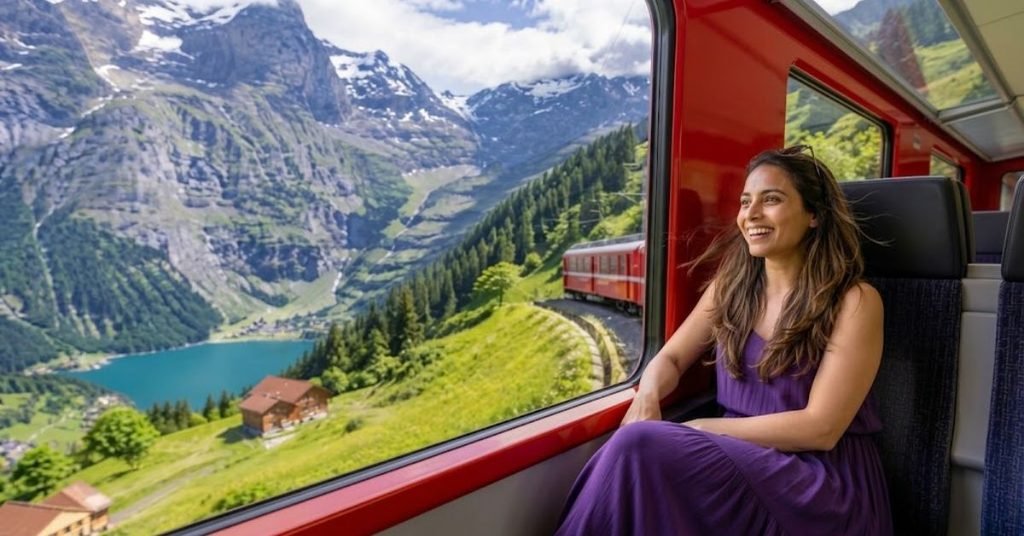
Transportation can shape your entire world trip.
Flights are useful for long distances, while trains and buses can be practical between connected destinations. In some regions, ferries are also an important option.
Look at the complete travel time and overall convenience instead of judging an option by its fare alone.
A cheaper flight may require a long airport transfer, checked baggage fees, or an overnight stay. A slightly more expensive train might take you directly from one city center to another.
When comparing options, check:
- Total travel time
- Baggage allowance
- Number of connections
- Airport or station location
- Transfer costs
- Cancellation conditions
- Arrival time
Leave some buffer between separate bookings. If you book two unrelated tickets too close together, a delay on the first journey could affect the second.
Where Should You Stay?
Accommodation should match your route, not just your preferred hotel style.
Even a lovely hotel may not be practical when it is located far from public transport, popular sights, or the places you want to explore.
For city trips, compare neighborhoods before booking. Staying near the main attractions can make getting around easier, while less busy neighborhoods often provide a calmer setting.
For longer stays, consider apartments or other accommodation with basic kitchen facilities if that suits your trip.
Before booking, check:
- Exact location
- Transport connections
- Check-in times
- Cancellation policy
- Included facilities
- Additional fees
- Recent guest information
- Distance from your planned activities
For solo travelers, location and reliable transport can be especially important. Families often benefit from spacious rooms and convenient access to nearby facilities.
Couples might prioritize privacy and atmosphere.
What Should You Do During a World Trip?
Do not build your journey entirely around famous landmarks.
Some of the strongest travel memories can come from ordinary experiences. Try a local breakfast, walk through a residential neighborhood, visit a market, take public transportation, or spend an afternoon in a local park.
Balance major attractions with slower activities.
For example, after a busy museum morning, you could spend the afternoon exploring a local food district. After several days in a city, a nearby nature area can provide a change of pace.
You can also divide activities into three groups:
Must Do: Experiences that are truly worth making time for.
Would like to do: Activities that fit if time allows.
Optional: Things you can skip without affecting the trip.
This simple system keeps your itinerary flexible.
What Should You Pack?

Packing for multiple destinations requires more planning than packing for one short holiday.
Choose clothing that works across several outfits. Consider the weather at every destination rather than packing only for your departure city.
Useful items may include:
- Comfortable walking shoes
- Weather-appropriate layers
- Basic toiletries
- Travel documents
- Chargers and adapters
- Small first-aid supplies
- Reusable water bottle
- Copies of important documents
- Day bag
- Secure storage for valuables
Keep essential documents accessible.
The U.S. Department of State recommends organizing required travel documents and checking destination-specific entry requirements before departure. Passport validity rules can also vary by destination, so travelers should verify the requirements for every country on their route. U.S. Department of State Travel Planning
Do not rely only on screenshots stored on your phone. Keep secure digital copies and, where practical, offline copies of important documents.
Common Mistakes to Avoid
Trying to See Too Much
The biggest planning mistake is often adding too many destinations.
Every move requires packing, transportation, check-in, and adjustment. Fewer destinations can create a richer trip.
Booking Everything Too Early
Some bookings need planning, especially popular routes and accommodation. However, filling every day months ahead can make your itinerary difficult to change.
Reserve the important parts first and leave flexibility where possible.
Ignoring Travel Time
A place may seem nearby on the map, yet reaching it can take much longer than expected.
Always check realistic door-to-door travel time before adding another stop.
Choosing Hotels Only by Price
A low-priced room may not save you money if getting around each day is expensive.
When comparing neighborhoods, consider both the accommodation rate and the transportation costs involved.
Forgetting Local Customs
Dress expectations, photography rules, public behavior, tipping, and religious customs vary between countries.
Research local expectations before arrival and follow them respectfully.
Troubleshooting Travel Problems
Even carefully planned journeys can change.
Delayed Flights or Trains
If a delay affects another booking, check with your airline, railway, or transport provider immediately. Keep confirmation numbers and important booking details easy to access.
Lost Luggage
Report missing baggage through the relevant airline or transport company before leaving the airport when possible. Keep essential medication, documents, valuables, and one change of clothing in your carry-on.
Booking Problems
Save booking confirmations and payment records. If accommodation differs from what you reserved, document the issue and contact the provider promptly.
Weather Disruptions
Severe weather can affect flights, roads, ferries, and outdoor attractions. Avoid building your entire trip around one time-sensitive activity.
Unexpected Costs
Set aside some money for unexpected expenses instead of using your entire budget for everyday spending.
This gives you more options if plans change.
Best Practices for International Travel
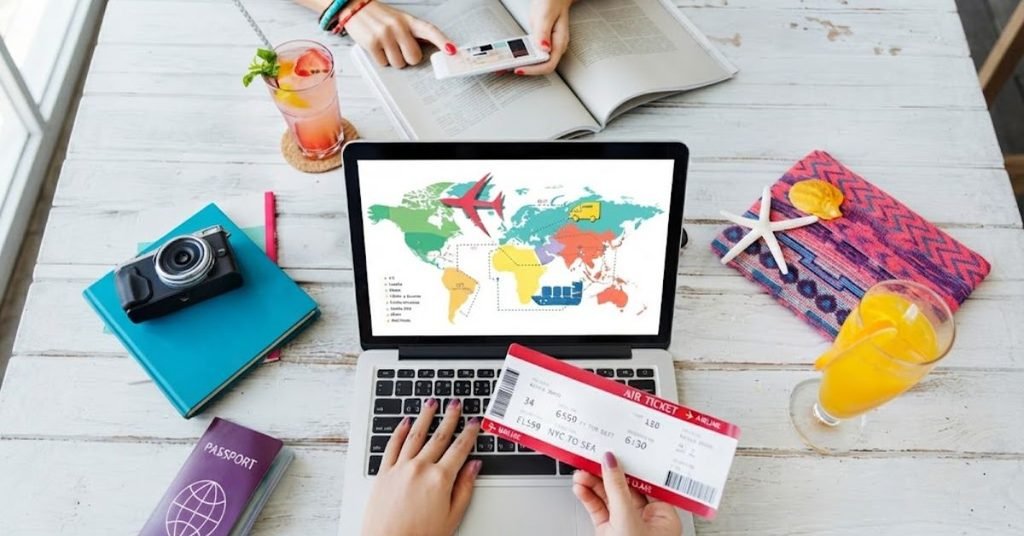
A practical Travel the World Guide should make preparation easier rather than more complicated.
Follow these habits:
- Check entry requirements before booking.
- Verify passport validity for every destination.
- Research local laws and customs.
- Keep important documents backed up.
- Compare complete transportation costs.
- Avoid unrealistic daily schedules.
- Check weather before outdoor activities.
- Use reputable accommodation and transport providers.
- Keep emergency contact details accessible.
- Consider travel insurance that fits your trip.
- Tell a trusted person about your broad itinerary.
- Recheck important information shortly before departure.
Official information matters most for documents, entry rules, safety guidance, and regulations. Requirements can change, so old screenshots, social media posts, and outdated articles should not be your final source.
Key Takeaways
- Choose destinations according to your interests, time, and budget.
- Build routes around logical transportation connections.
- Avoid trying to visit too many countries during one short trip.
- Calculate total travel costs instead of focusing on individual prices.
- Check visa and entry requirements before booking.
- Leave room for delays and unexpected changes.
- Consider both the accommodation price and its location before making your choice.
- Research local customs before arrival.
- Keep important documents accessible and backed up.
- Recheck current travel information before departure.
Conclusion
Traveling around the world does not require a perfect itinerary. It requires a realistic one.
Choose destinations that genuinely interest you, give yourself enough time in each place, and build your route around practical connections. Keep your budget flexible and research documents, local rules, weather, and transportation before you leave.
Most importantly, do not measure a successful trip by the number of countries you visit. A slower journey can give you more opportunities to understand a destination and enjoy the experience.
Start by choosing your first few destinations, checking the best season for each, and building a route that fits your actual time and budget.
Frequently Asked Questions
What is the best approach for planning a trip around the world?
Choose a manageable number of destinations, connect them through practical transport routes, and match your itinerary with your budget, interests, and available time.
What budget should I set for a trip around the world?
There is no fixed amount. Costs depend on destinations, accommodation, transportation, trip length, food, activities, and travel style.
What is a practical way to organize a Travel the World Guide itinerary?
Start with your must-visit destinations, check their seasons and transport connections, then organize them into a route that avoids unnecessary backtracking.
How many different countries can I explore during a worldwide journey?
There is no ideal number. Spending more time in fewer countries can be more comfortable than moving between destinations every few days.
What documents do I need for international travel?
Requirements vary by nationality and destination. You may need a valid passport, visa, permits, proof of onward travel, or other documents.
Is travel insurance necessary for a world trip?
Travel insurance can help with certain unexpected expenses, depending on the policy. Compare medical, cancellation, baggage, and activity coverage before buying.
What are some effective ways to keep world travel expenses lower?
Compare transport options, travel during suitable lower-demand periods, choose practical accommodation, use local transport, and plan major expenses.
What should I check before traveling internationally?
Check passport validity, visa requirements, local laws, weather, transport conditions, accommodation details, safety information, and any destination-specific requirements.
Is it necessary to plan each day of a trip around the world in detail?
No. Plan important bookings and must-see activities, but leave some free time. Flexibility makes it easier to handle delays and discover unexpected places.
What is the biggest mistake in planning world travel?
Trying to fit too many destinations into limited time can make the trip exhausting. Build your route around realistic travel times instead.
10 SEO Tags
- Travel the World Guide
- World Travel Tips
- International Travel Guide
- Travel Planning Tips
- Around the World Travel
- World Travel Itinerary
- International Vacation Planning
- Travel Budget Guide
- Global Travel Tips
- First Time International Travel
Internal Links
Best Tropical Vacation Destinations
Affordable Family Vacation Ideas
Most Beautiful Places on Earth
Authoritative External References
- U.S. Department of State — Planning Your Travel
- U.S. Department of State — International Travel Guide
Social Media Title
Travel the World Without the Stress: Your Complete Guide to Planning an Unforgettable Journey


