

Quick Answer:
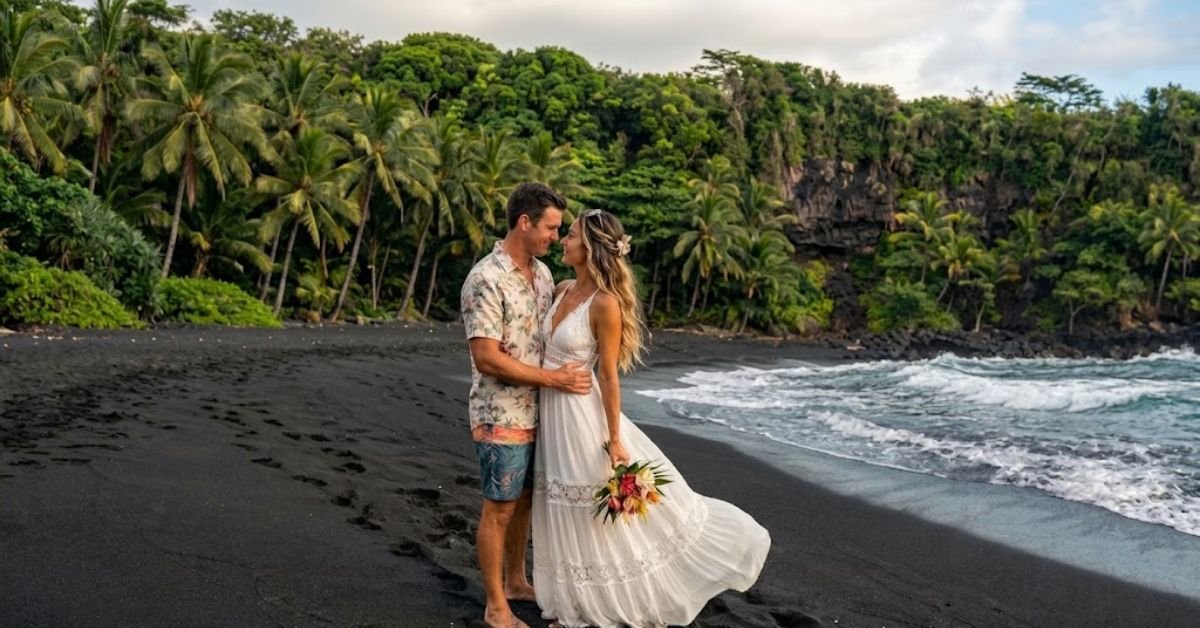
Punaluʻu and Pohoiki are two well-known black sand beach destinations on Hawaii Island. Their dark shorelines reflect the island’s volcanic history, offering opportunities for photography, coastal exploration, and nature observation.
Before visiting, check current beach access, road conditions, facilities, and ocean warnings. These details are especially important when planning a trip to Punaluʻu, where county-managed park services were scheduled to end in August 2026.
Author Information
- Author: Gulnaz Malik
- Role: Founder, Publisher & Travel Content Specialist
- Experience: 5+ Years in Travel, Destination Research, Tourism, Digital Content & Travel Planning
- Content Review: Travel information should be checked against official tourism guidance, government resources, and current local conditions.
- Last Updated: October 2026
Introduction
Hawaii Island Black Sand Beach destinations reveal a different side of tropical travel, where volcanic landscapes meet the Pacific Ocean. Instead of pale sand and resort-lined shores, visitors can discover dark beaches, rugged coastlines, and scenery shaped by powerful natural forces.
The Big Island of Hawaii stands out for its dramatic volcanic terrain, where dark sandy shores, rugged lava formations, and lush coastal scenery create a distinctive island landscape.
Its volcanic origins have created varied terrain, including lava fields, mountains, coastal forests, and beaches with distinctive dark sand.
For travelers, these shores offer more than an unusual photograph. They provide opportunities to appreciate local geology, observe wildlife responsibly, and explore parts of the island beyond traditional resort areas.
However, a successful visit requires more than entering a beach name into a navigation app. Access arrangements, road conditions, facilities, and ocean hazards can affect your plans. This guide explains which beaches to consider, how to plan your route, when to visit, where to stay, and how to enjoy the coastline responsibly.
Table of Contents
- What Makes Hawaii Island Black Sand Beach Destinations Special?
- Best Black Sand Beaches on Hawaii Island
- Best Time to Visit
- How to Reach the Beaches
- Things to Do and See
- Where to Stay
- Travel Costs and Budget Planning
- One-Day and Three-Day Itineraries
- Safety Tips
- Common Mistakes and Troubleshooting
- Best Practices
- Key Takeaways
- Frequently Asked Questions
- Conclusion
What Makes Hawaii Island Black Sand Beach Destinations Special?

Black sand forms when dark volcanic rock breaks into smaller particles through natural processes. On Hawaii Island, volcanic activity has helped create shorelines with a striking contrast between dark sand, green vegetation, and the blue Pacific Ocean.
These beaches are not identical.Beach surfaces differ from one location to another, ranging from soft, fine grains to rough lava fragments, scattered stones, and irregular terrain.
Waves and currents can also change the appearance of the shoreline over time.
How Does Volcanic Sand Form?
As molten lava loses heat, it hardens and becomes solid rock. Over time, waves, weather, and erosion break some of this material into smaller fragments. These particles can accumulate along the coast and contribute to black sand beaches.
This process connects the island’s geological history with the landscapes visitors see today. A walk along a dark shoreline can reveal how volcanic activity continues to influence the character of Hawaii Island.
Not every black shoreline has the same origin or composition, so it is best to understand each beach on its own terms.
Why Are These Beaches Worth Visiting?
Black sand beaches offer a different visual experience from conventional tropical beaches. Their dark surfaces create dramatic contrasts with white sea foam, coastal plants, and changing ocean colors.
Travelers may enjoy:
- Photographing unusual coastal landscapes.
- Learning about volcanic processes.
- Watching waves from a safe viewpoint.
- Looking for Hawaiian green sea turtles where they naturally occur.
- Exploring less familiar parts of the island.
- Adding a scenic coastal stop to a wider island itinerary.
Swimming is not the main attraction at every black sand beach. Some locations have strong currents, powerful shorebreak, uneven entry points, or other hazards. Check conditions before deciding whether to enter the water.
Best Black Sand Beaches on Hawaii Island
Punaluʻu and Pohoiki are two important locations to research when planning a black sand beach visit. Each offers a different setting, and the best choice depends on your interests, accommodation, route, and current access conditions.
1. Punaluʻu Black Sand Beach
Punaluʻu is one of the island’s most recognized black sand beaches. Located on the southeastern coast, it is known for its dark shoreline, tropical vegetation, and possible sightings of Hawaiian green sea turtles.
The scenery can be especially striking when waves create white foam against the dark sand. It is a rewarding subject for landscape photography and a place to appreciate the island’s natural environment.
Visitors may be interested in:
- Observing the volcanic shoreline.
- Photographing the ocean and surrounding vegetation.
- Watching for turtles from a respectful distance.
- Enjoying coastal scenery when public access permits.
- Learning about the island’s natural history.
Wildlife sightings are never guaranteed. If you encounter a turtle, do not touch, feed, chase, or surround it. Leave plenty of space so the animal can move freely between the shore and water.
Important access information: Hawaiʻi County announced that its lease for Punaluʻu Black Sand Beach Park would end on August 29, 2026, after negotiations with the landowner failed. County-managed park services were scheduled to cease, and facilities and improvements were due to revert to the landowner.
Do not assume that parking, restrooms, operating arrangements, or other facilities described in older articles remain available. Confirm the latest rules and permitted access before setting out.
2. Pohoiki Beach: A Hawaii Black Sand Beach
Pohoiki Beach, also called Isaac Hale Beach Park, lies in the Puna area of Hawaii Island. Its black sand shoreline developed following the 2018 volcanic activity associated with Kīlauea.
This location offers a different perspective on the island’s geology. The dark sand and coastal setting illustrate how volcanic events can transform the shape and character of a shoreline.
Pohoiki may appeal to visitors who enjoy geology, photography, and less conventional coastal landscapes.
Before visiting, consider these points:
- Check the latest road directions rather than relying on old saved routes.
- Carry drinking water because you should not assume all facilities are available.
- Check ocean conditions before approaching the water.
- Use extra care around uneven surfaces and rocky areas.
- Follow lifeguard instructions and posted warnings.
Which Hawaii Black Sand Beach Should You Choose?
| Feature | Punaluʻu | Pohoiki |
| Main appeal | Famous dark shoreline and possible turtle sightings | Volcanic landscape shaped by the 2018 eruption |
| Best for | Coastal photography and nature observation | Geology and landscape photography |
| Key planning concern | Current access and property arrangements | Road directions and ocean conditions |
| Swimming | Do not assume conditions are safe | Check current hazards and follow lifeguard advice |
Both beaches may be worth visiting, but swimming conditions can change, so visitors should not assume either spot is always safe for a swim.
Base your decision on current conditions rather than photographs or outdated travel descriptions.
Best Time to Visit Hawaii Island Black Sand Beach Destinations
Hawaii Island is a year-round travel destination, but the best time for a particular beach depends on local weather, ocean conditions, daylight, and access.
The island has different microclimates, so conditions can vary significantly between coastal areas. A pleasant forecast in one town does not guarantee calm water somewhere else.
Morning Visits
Morning visits can work well for travelers who want to photograph the shoreline or combine a beach stop with other sightseeing.
Starting early may also leave more flexibility if the weather changes or a planned location turns out to be inaccessible.
Check permitted visiting hours and access information before arriving.
Afternoon Visits
An afternoon stop can fit into a broader sightseeing day. You might explore a coastal area, enjoy a meal, or visit another attraction along your route.
However, avoid planning a long return drive immediately after an exhausting day. Allow sufficient daylight and time for road conditions, fuel stops, and unexpected delays.
Seasonal Planning
Instead of choosing travel dates based only on a general seasonal label, check the forecast and ocean conditions for your actual destination.
| Factor | Planning advice |
| Weather | Check the local forecast close to departure |
| Ocean | Review current hazard warnings |
| Daylight | Leave enough time for driving and sightseeing |
| Crowds | Allow flexibility during busy travel periods |
| Access | Confirm current entry rules and facilities |
Clear skies do not always mean safe surf. Weather and ocean safety must be assessed separately.
How to Reach Hawaii Black Sand Beaches
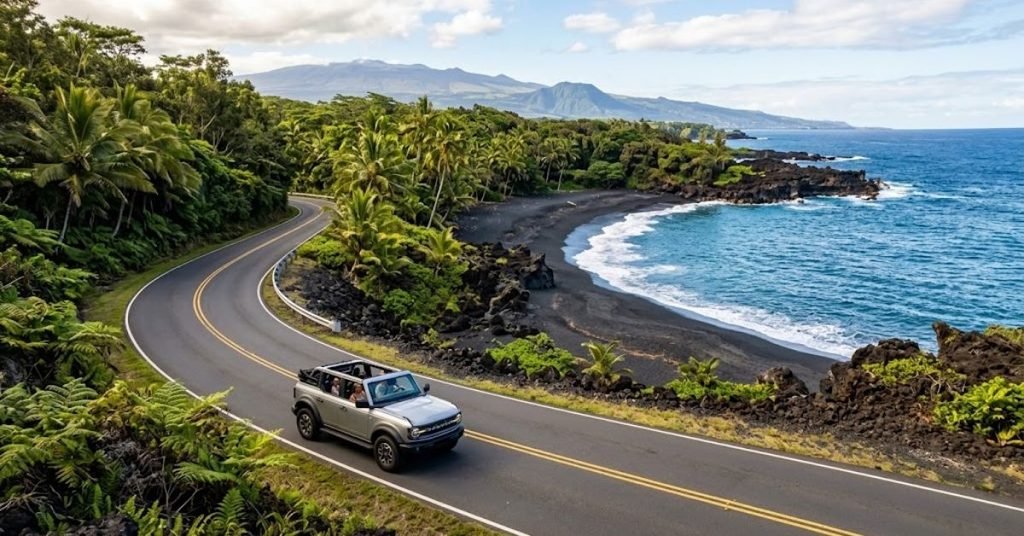
A rental car often makes independent exploration easier on Hawaii Island. Many travelers want to visit several attractions, and a car provides flexibility when public transportation does not fit their route.
The ideal place to begin depends on your accommodation and chosen coastline.
From Hilo
Hilo is a practical base for exploring the eastern side of Hawaii Island and reaching parts of the southern coast.
If Pohoiki is on your itinerary, check the current route before leaving. Official visitor guidance directs travelers toward the coast using Highway 130, then turning onto Highway 137. Older GPS routes may be inaccurate, so confirm conditions and directions on the day of travel.
Plan extra time for driving, stops, and any road changes.
From Kailua-Kona
Kailua-Kona lies on the island’s west coast, while southern coastal areas may require a long drive to reach.
If you intend to explore both western and eastern attractions, consider splitting your stay between two areas. This may reduce repeated long journeys and leave more time for sightseeing.
Do You Need a Rental Car for Hawaii Black Sand Beaches?
Renting a car offers flexibility, although other transport options are available. Depending on your itinerary, you may be able to arrange a guided excursion or another transportation service.
Compare the full cost of renting a car, including insurance, fuel, parking, and applicable fees. Check licence requirements and rental conditions before booking.
Whatever transport you choose, confirm that the beach is accessible before committing to the journey.
Things to Do and See at Hawaii Island Black Sand Beach Locations
A black sand beach can be worth visiting even if you never swim. The scenery is ideal for taking photos, observing wildlife, and discovering the island’s natural features.
Photograph the Dark Shoreline
Black sand can create dramatic images when contrasted with blue water, white foam, and green coastal vegetation.
Try photographing the entire landscape rather than focusing only on the ground. Wide views can show the relationship between the shoreline and its surroundings.
Stay away from unstable rocks and waves that can suddenly reach farther inland. Choose safe viewpoints rather than taking unnecessary risks for a photograph.
Observe Hawaiian Green Sea Turtles Responsibly
Punaluʻu is known for possible sightings of Hawaiian green sea turtles. Seeing one in its natural environment can be a memorable experience, but visitors should never treat wildlife as a guaranteed attraction.
Keep your distance, remain quiet, and avoid blocking an animal’s path. Never touch or feed a turtle.
If no turtles appear, enjoy the landscape and the sound of the ocean instead.
Learn About Volcanic Landscapes
The island’s coastline provides a visible connection to its geological history. Different locations display different combinations of volcanic sand, rock, vegetation, and ocean activity.
Learning about volcanic processes before your visit can help you understand why the beaches look different from more familiar tropical shores.
Enjoy a Coastal Break
Depending on access and local rules, a beach stop may provide a quiet break during a longer island drive.
Bring drinking water, sun protection, and suitable footwear. Facilities such as toilets, shops, and drinking water may not be available at every site.
Where to Stay Near Hawaii Island Black Sand Beaches
Hawaii Island is large, so choosing accommodation according to your route can make a major difference to the trip.
Hilo
Hilo is a useful option for visitors who want to explore the eastern side of the island and travel toward selected southern attractions.
Some accommodations are located farther from restaurants and visitor facilities than maps suggest.Verify the location and transport options before reserving.
Kailua-Kona
Kailua-Kona is a good base for travelers interested in western coastal scenery, restaurants, shopping, and other attractions in that region.
It may be less convenient for repeated trips to the eastern or southern coast. Compare driving times before deciding where to stay.
Southern Areas
Staying in the island’s south can shorten drives to southern coastal attractions.
However, facilities and transport options can be more limited in some areas. Confirm the property’s location, nearby services, and cancellation policy.
| Area | Suitable for | What to check |
| Hilo | Eastern coast exploration | Driving time to planned beaches |
| Kailua-Kona | Western coast and resort activities | Distance to southern destinations |
| Southern areas | Southern coastal itineraries | Local services and transport |
Choose a base that supports your complete itinerary rather than selecting a hotel solely because it looks close to one attraction.
Hawaii Black Sand Beach Costs and Budget
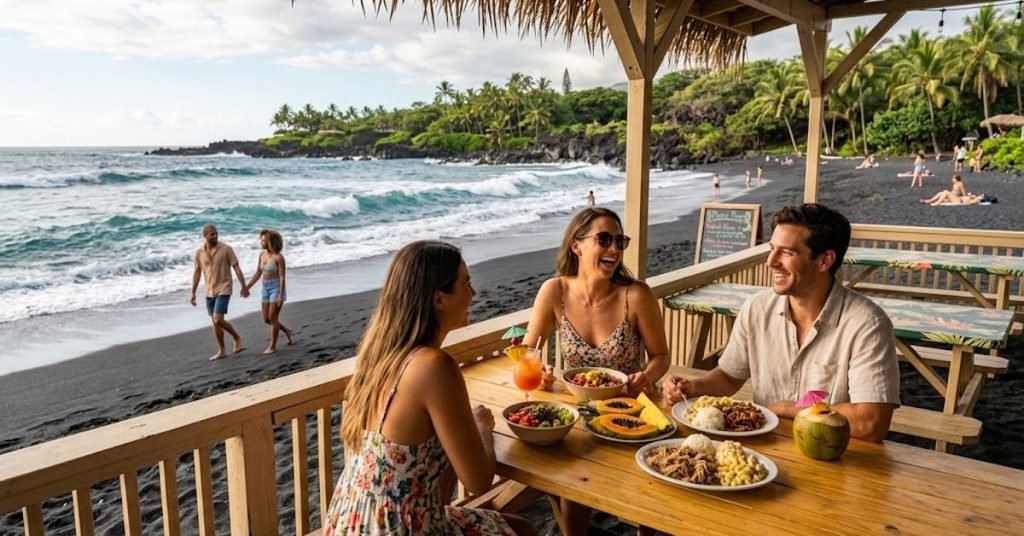
The cost of visiting a black sand beach depends on transportation, accommodation, food, and the activities you include. A short coastal visit may require little beyond transport and personal supplies, while a longer island holiday needs a more detailed budget.
Main Expenses
- Accommodation: Compare nightly rates, taxes, parking, and cancellation terms.
- Transport costs :may include car hire, fuel, insurance, and guided tours..
- Food: Budget for meals, snacks, and drinking water.
- Activities: Check whether additional attractions require reservations or tickets.
- Unexpected costs: Leave room for delays, route changes, or replacement bookings.
How to Save Money on a Hawaii Black Sand Beach Trip
Book accommodation early when possible and compare several properties before deciding. Staying near the attractions you plan to visit can reduce fuel costs and unnecessary driving.
You can also combine nearby stops into one outing. However, do not save money by ignoring access restrictions, entering unsafe water, or driving when tired.
For more general planning ideas, read this guide to dream vacation destinations . It can help you compare different travel experiences before deciding how to organize your trip.
Hawaii Black Sand Beach Itineraries
These sample itineraries are flexible planning outlines. Confirm access, driving directions, and conditions before finalizing your schedule.
One-Day Coastal Visit
Morning: Start after checking the forecast, road conditions, and current beach access information. Bring drinking water, sun protection, and appropriate shoes.
Late morning: If Punaluʻu is open under current arrangements, enjoy the shoreline and photograph the scenery. Observe wildlife from a respectful distance.
Afternoon: Choose another accessible attraction that fits your route and available daylight. Avoid adding a distant stop simply to make the itinerary look fuller.
Evening: Return to your accommodation with enough time for a safe drive.
If Punaluʻu is inaccessible, select a confirmed alternative rather than arriving without checking.
Three-Day Island Itinerary
Day 1: Explore Hilo
Spend the day discovering Hilo and nearby attractions that match your interests. Keep the schedule manageable and allow time to rest.
Day 2: Plan a coastal excursion
Choose a black sand beach with confirmed access. If Pohoiki is on your route, check the latest directions and ocean warnings before leaving.
Spend time observing the landscape and photographing the shoreline from safe locations.
Day 3: Discover a different area of the island
Select an attraction that complements your interests, such as a scenic drive, cultural site, or another accessible beach.
If you are departing that day, leave enough time to return your rental car or reach the airport.
Planning a Longer Visit
A longer trip gives you more flexibility to explore different regions without rushing between distant locations.
For inspiration beyond beach destinations, see bucket list travel destinations . You can use the ideas to plan future trips around nature, culture, and outdoor experiences.
Safety Tips for Hawaii Black Sand Beach Visitors
Black sand beaches can look peaceful while having powerful currents or unpredictable waves. Your safety should always come before swimming, photography, or sightseeing.
Check Ocean Conditions
Read current warnings and follow posted instructions. Choose lifeguard-protected swimming locations when possible, and ask a lifeguard about conditions if one is available.
Do not enter the water if warnings are posted or you are unsure about the conditions.
Protect Yourself From Sun and Heat
Carry drinking water, use suitable sun protection, and take breaks where shade is available. Dark sand and exposed coastal areas can become uncomfortable in strong sunshine.
Sturdy footwear can help protect your feet on uneven volcanic surfaces.
Respect Wildlife and Local Rules
Never touch turtles or other wildlife. Do not collect natural materials where prohibited, enter restricted areas, or cross private property without permission.
Stay away from unstable cliffs and rocks exposed to waves. Follow signs and local guidance even if other visitors appear to ignore them.
Prepare for Limited Facilities
Some coastal areas offer fewer services than developed resort beaches. Bring essential supplies and confirm the availability of parking, restrooms, drinking water, and other facilities before departing.
Common Issues at Hawaii Black Sand Beaches
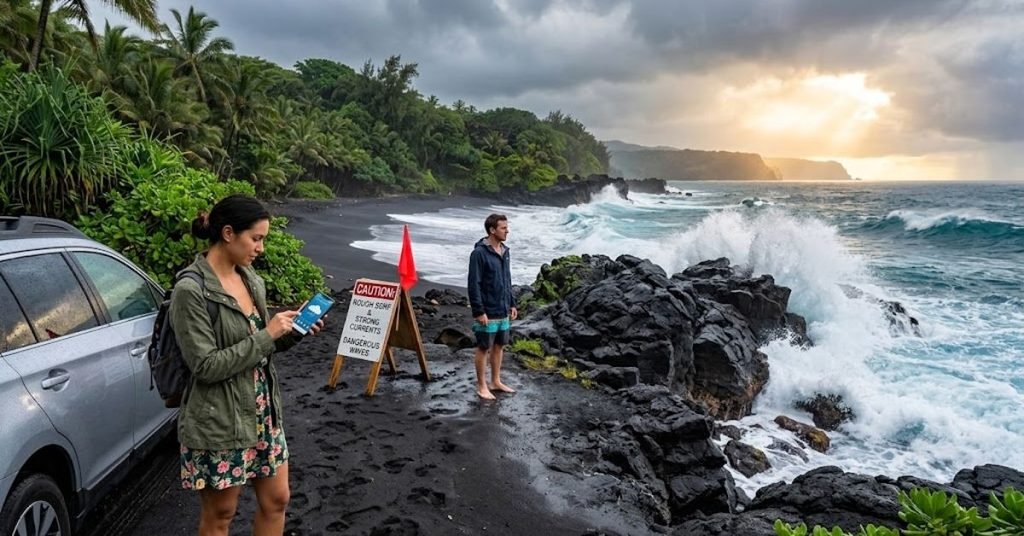
Even a well-planned trip may require adjustments Planning for potential issues can reduce stress.
Mistake 1: Using Old Directions
Road access may change because of closures, construction, or other local conditions.
Solution: Check current official directions and road updates on the day of travel. Do not rely entirely on saved GPS routes.
Mistake 2: Assuming Facilities Are Available
Older travel articles may describe services that are no longer provided or may not reflect current property arrangements.
Solution: Verify access rules, parking, restrooms, and other facilities before leaving your accommodation.
Mistake 3: Treating Every Black Sand Beach as a Swimming Beach
A beautiful shoreline may still be unsafe for entering the water.
Solution: Check local warnings, assess your abilities honestly, and choose another activity when conditions are unsuitable.
Mistake 4: Expecting to See Turtles
Wildlife sightings are unpredictable.
Solution: Enjoy the coastline regardless of whether animals appear. Never approach or disturb wildlife to obtain a photograph.
What If Your Planned Beach Is Inaccessible?
Do not ignore barriers or enter private property without permission. Find an alternative destination with confirmed access and adjust your schedule.
If the surf becomes rough, stay away from the water’s edge and exposed rocks. If a road is closed, follow current guidance rather than trying an unverified route.
Best Practices for a Better Visit
Use these habits to make your coastal trip smoother:
- Verify access and road conditions before departure.
- Check weather and ocean warnings.
- Carry drinking water and sun protection.
- Wear suitable footwear.
- Use permitted parking areas.
- Respect wildlife and local regulations.
- Keep the itinerary flexible.
- Allow enough time for driving between distant attractions.
- Confirm accommodation and cancellation details.
- Keep a backup plan for changing conditions.
If you are planning several destinations rather than a single beach visit, travel the world guide offers further ideas for organizing routes, accommodation, and travel preparation.
Key Takeaways
- Hawaii Island has distinctive black sand beaches formed through volcanic processes.
- Punaluʻu is famous for its dark shoreline and possible turtle sightings.
- Pohoiki reflects the effects of volcanic activity in Lower Puna.
- Verify current access and facilities before visiting Punaluʻu.
- Check updated directions and ocean conditions before traveling to Pohoiki.
- Do not assume that every black sand beach is safe for swimming.
- Choose accommodation according to your complete route.
- Budget for transport, meals, accommodation, and unexpected changes.
- Respect wildlife and follow local rules.
- Keep your plans flexible when weather or access conditions change.
Frequently Asked Questions
1. What is the most famous Hawaii Island Black Sand Beach?
Punaluʻu is one of the island’s best-known black sand beaches. It is recognized for its dark shoreline and the possibility of seeing Hawaiian green sea turtles.
2. Why is the sand black on Hawaii Island?
The dark sand comes from volcanic material that breaks down into smaller particles through natural processes and coastal erosion.
3. Can you swim at Punaluʻu Black Sand Beach?
Conditions vary, and the beach is not consistently suitable for swimming. Check current access information and ocean warnings before entering the water.
4. Is Pohoiki Beach made from volcanic activity?
Kīlauea’s 2018 eruption created Pohoiki’s black sand shoreline in Lower Puna.
5. When should I visit Hawaii Island Black Sand Beach destinations?
You can plan a visit throughout the year, but local weather, ocean conditions, access rules, and daylight should determine your exact schedule.
6. Can visitors see sea turtles at Punaluʻu?
Hawaiian green sea turtles may rest along the shoreline, but sightings are not guaranteed. Stay back and do not touch or disturb them.
7. Do I need a rental car to visit black sand beaches?
A rental car can make independent exploration easier, especially when visiting several locations. Guided tours or other transportation options may suit travelers who prefer not to drive.
8. Is Punaluʻu Black Sand Beach open to visitors in October 2026?
Hawaiʻi County announced that its park lease ended on August 29, 2026. Verify current access arrangements and permitted activities before planning your visit.
9. What should I bring to a black sand beach?
Bring drinking water, sun protection, sturdy footwear, a charged phone, and essential personal supplies. Confirm available facilities before leaving.
10. Can I visit Punaluʻu and Pohoiki in one day?
It may be possible depending on your starting point, driving conditions, and access at both locations. Plan sufficient travel time and avoid rushing between faraway locations.
Conclusion
Hawaii Island Black Sand Beach destinations provide a distinctive way to experience the island’s volcanic scenery. Punaluʻu is known for its dark shoreline and possible turtle sightings, while Pohoiki offers a landscape shaped by more recent volcanic activity.
A rewarding visit depends on more than finding a beautiful location. Travelers should verify current access arrangements, check road and ocean conditions, choose accommodation that suits their route, and respect wildlife and local rules.
Before setting out, confirm which beach you can safely and legally visit under current conditions. Then build a flexible itinerary around the scenery and experiences that matter most to you.
SEO Tags
Hawaii Island Black Sand Beach,
Punaluʻu Black Sand Beach,
Pohoiki Beach,
Big Island Hawaii beaches,
Hawaii volcanic beaches,
black sand beach guide,
Hawaii Island travel tips,
Hawaiian green sea turtles,
Hawaii coastal scenery,
Hawaii beach vacation
Social Media Title
Discover Hawaii Island’s Beautiful Black Sand Beaches
Internal Linking Check
The article contains five clickable Tripzunos internal links:
- Dream Vacation Destinations
- Bucket List Travel Destinations
- Travel the World Guide
- Best Tropical Vacation Destinations
- Best Weekend Trip Ideas


