

Quick Answer
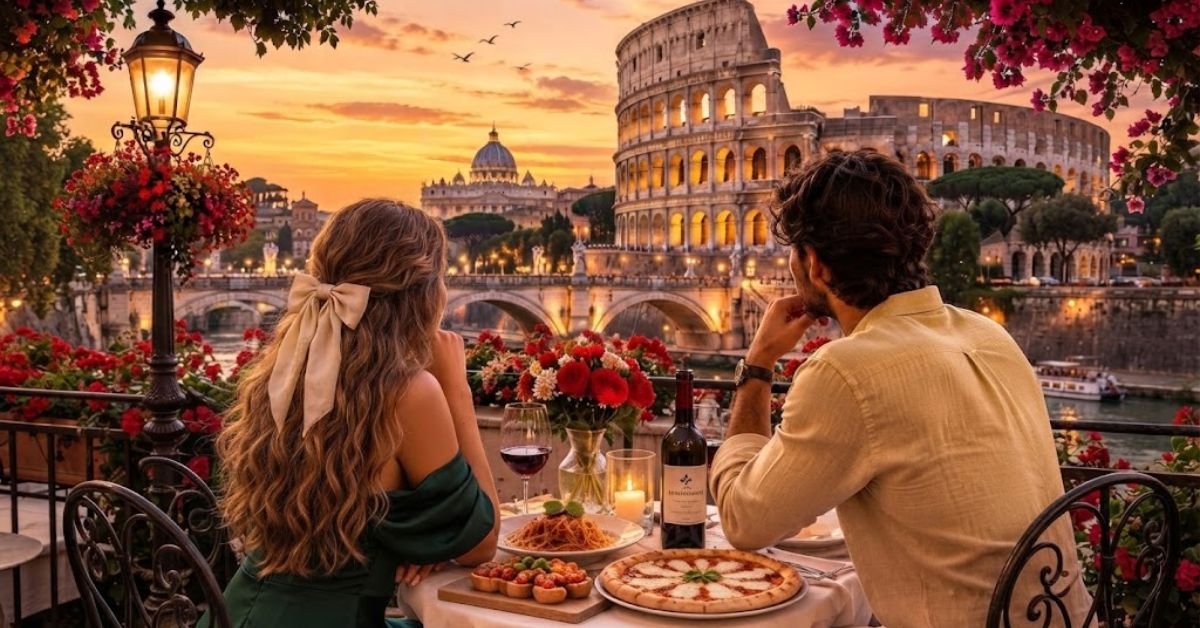
Rome package vacations can simplify a trip by combining flights, hotels, transfers, tours, or other travel services.
The best package depends on your budget, travel dates, hotel location, and preferred experiences.
For a first visit, plan at least three days to see Rome’s major landmarks without rushing. Always compare the package’s total cost before booking.
Author Information
Author: Gulnaz Malik
Role: Founder, Publisher & Travel Content Specialist
Experience: 5+ Years of Experience in Travel, Destination Research, Tourism, Digital Content, and Travel Planning
Content Review: All content follows Google’s latest EEAT guidelines and uses fact-checked information from official tourism websites, government travel resources, recognized travel authorities, trusted industry sources, and practical research to support accuracy and reliability.
Last Updated: October 2026
Introduction
Rome package vacations make planning an Italian getaway easier when you want flights, accommodation, and activities arranged together. Rome combines ancient history, famous art, lively piazzas, Italian food, and romantic streets in one destination.
However, not every package offers the same value. Some focus on hotels and flights, while others include airport transfers, guided tours, attraction tickets, or meals.
This guide explains how to compare Rome vacation packages, choose the right area to stay, plan your sightseeing, manage costs, and avoid common booking mistakes.
Table of Contents
- Why Choose Rome Package Vacations?
- What Is Usually Included?
- Best Time for a Rome Vacation
- How Much Does a Rome Vacation Cost?
- Where Should You Stay in Rome?
- Best Things to Do in Rome
- How to Get Around Rome
- 3-Day Rome Itinerary
- 5-Day Rome Itinerary
- Rome Packages for Different Travelers
- Food and Local Experiences
- Common Mistakes
- Troubleshooting Travel Problems
- Best Practices for Booking
- Key Takeaways
- Conclusion
- Frequently Asked Questions
Why Choose Rome Package Vacations?
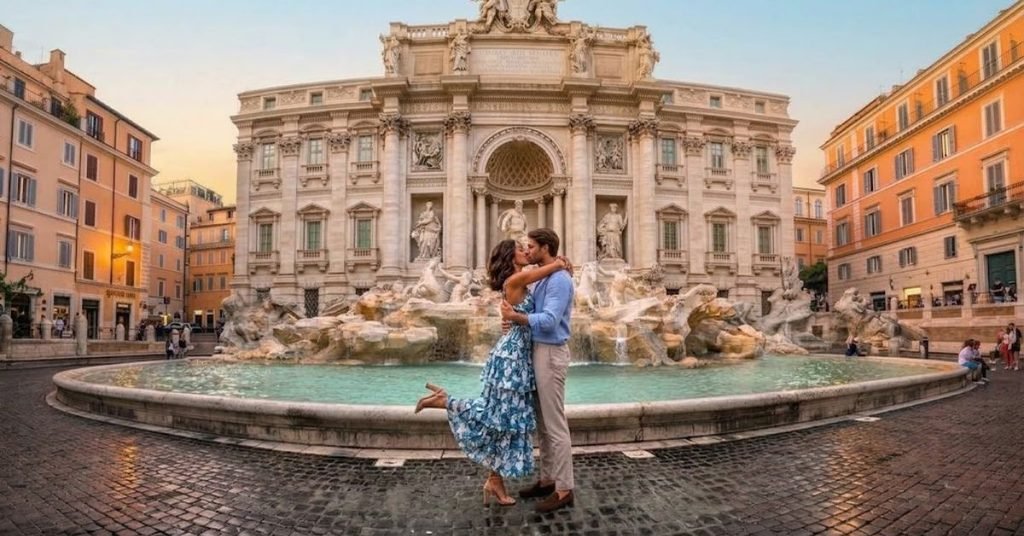
Rome is one of Europe’s most rewarding city-break destinations. Its historic center brings ancient monuments, churches, museums, fountains, and lively squares close together.
Rome suits a wide range of travel preferences and styles.
Couples can enjoy romantic evenings and scenic walks. Families can explore history through memorable landmarks. Solo travelers can build flexible days around museums, food, and neighborhoods.
What Makes Rome Worth Visiting?
Rome offers a rare combination of history and everyday city life.
You can see ancient ruins in the morning, enjoy pasta in a neighborhood restaurant, and watch the sunset over a historic piazza in the evening.
Popular experiences include:
- Visiting the Colosseum
- Exploring the Roman Forum
- Seeing the Trevi Fountain
- Visiting the Pantheon
- Exploring Vatican City
- Walking through Piazza Navona
- Spending time in Trastevere
- Visiting art galleries and museums
- Trying traditional Roman dishes
For travelers who enjoy discovering famous destinations, you can also explore these beautiful places on Earth for inspiration when planning future trips.
What Is Usually Included in Rome Vacation Packages?
Package contents vary by provider, so read the details before paying.
A basic package may include:
- Round-trip flights
- Hotel accommodation
- Airport transfers
- Breakfast
- Guided sightseeing
- Attraction tickets
- Travel insurance
Some packages include only flights and hotels. Others add tours and transfers.
Compare the full package cost and inclusions instead of choosing based only on the advertised starting price.
Best Time for Rome Package Vacations
The best time for Rome depends on your priorities. Spring and autumn generally offer a comfortable balance between sightseeing conditions and visitor demand.
Summer can bring long, warm days and busy attractions. Winter is often quieter, although some travelers prefer Rome during the cooler months.
| Season | What to Expect | Best For |
| Spring | Mild weather and blooming gardens | Sightseeing |
| Summer | Hotter days and high demand | Long daylight |
| Autumn | Comfortable temperatures | Walking and culture |
| Winter | Cooler weather and fewer visitors | Quieter trips |
Always check current attraction schedules and events before booking. Rome’s official tourism site publishes current events and visitor information.
How Far in Advance Should You Book?
For popular travel periods, booking several months ahead can give you more hotel and flight choices.
This matters even more if your package includes popular attractions or a specific hotel.
However, avoid booking only because a package appears discounted. First compare the total cost against booking the main components separately.
How Much Do Rome Vacations Cost?
There is no single price for a Rome vacation because costs depend on your departure city, travel season, hotel standard, trip length, and included activities.
A budget trip may focus on affordable accommodation, public transportation, free sights, and casual meals. A mid-range trip can include a centrally located hotel and several paid attractions. Luxury packages may add upscale hotels, private transfers, premium tours, and fine dining.
| Travel Style | Usually Includes | Cost Approach |
| Budget | Basic hotel, transport, simple meals | Keep extras limited |
| Mid-range | Comfortable hotel, tours, attractions | Balance comfort and cost |
| Luxury | Premium hotel, private services | Prioritize convenience |
Treat package prices as estimates until you confirm your exact dates and inclusions.
What Extra Costs Should You Check?
A low package price can become expensive after additional charges.
Look for:
- Checked baggage fees
- Airport transfers
- Tourist taxes
- Attraction tickets
- Breakfast charges
- Travel insurance
- Optional tours
- Hotel upgrade fees
- Cancellation charges
Before booking, calculate the final amount you expect to pay.
Where Should You Stay in Rome?

Where you stay can make a noticeable difference to your overall trip experience.
Staying close to central attractions can reduce transportation time. However, central hotels may cost more.
Historic Center
The historic center is convenient for travelers who want to walk between major landmarks.
It works well for first-time visitors who want easy access to attractions, restaurants, fountains, and piazzas.
Monti
Monti has a neighborhood feel and offers restaurants, cafés, and streets close to major historic sites.
It can suit travelers who want atmosphere without staying directly beside the busiest attractions.
Trastevere
Trastevere is known for its narrow streets, restaurants, evening atmosphere, and traditional character.
It can be a good choice for couples and travelers interested in nightlife and local dining.
Prati
Prati is close to Vatican City and offers a more residential atmosphere.
It can work well for visitors who want Vatican sightseeing while staying away from some of the busiest central streets.
When choosing a hotel, check its distance from public transportation and major attractions instead of relying only on its neighborhood name.
Best Things to Do in Rome
Rome has enough attractions to fill several days, but you do not need to visit everything.
The key is to group nearby sights.
Start with the Colosseum and Roman Forum to understand the city’s ancient history. Then explore central landmarks such as the Pantheon, Trevi Fountain, and Piazza Navona.
For art and religious history, dedicate time to Vatican City and its museums.
Rome’s official tourism information also highlights monuments, museums, churches, parks, gardens, and squares throughout the city.
Ancient Rome
The Colosseum remains one of Rome’s most recognizable landmarks.
Combine it with the Roman Forum and Palatine Hill to create an efficient ancient-Rome sightseeing day.
Book timed admission when required and allow enough time for security procedures.
Vatican City
Vatican City can easily take several hours.
Depending on your interests, you may visit St. Peter’s Basilica, the Vatican Museums, and the Sistine Chapel.
Avoid scheduling too many other attractions on the same day.
Trevi Fountain and Piazza Navona
These central landmarks are easy to combine with a walking route.
Visit early if you want a calmer atmosphere. Later in the day, the surrounding streets become much busier.
Trastevere
Save an evening for Trastevere.
Walk through its narrow streets, stop for dinner, and enjoy the neighborhood atmosphere without rushing between major attractions.
If romantic travel is your priority, Tripzunos also has ideas for romantic trips for couples that can help you plan future couple-focused getaways.
How to Get Around Rome
Rome’s central attractions can often be reached on foot, especially when you group nearby sights.
Public transportation can help when distances become too long.
| Transport | Best For | Main Advantage |
| Walking | Central attractions | Free and flexible |
| Metro | Longer city journeys | Fast on key routes |
| Bus | Areas beyond metro routes | Wider coverage |
| Taxi | Late nights or luggage | Convenient |
Try using public transportation or walking instead of taking a taxi for every short trip.
Walking can be one of the best ways to experience Rome’s streets and architecture.
Check current transportation information before traveling because routes, schedules, and operating conditions can change.
3-Day Rome Itinerary
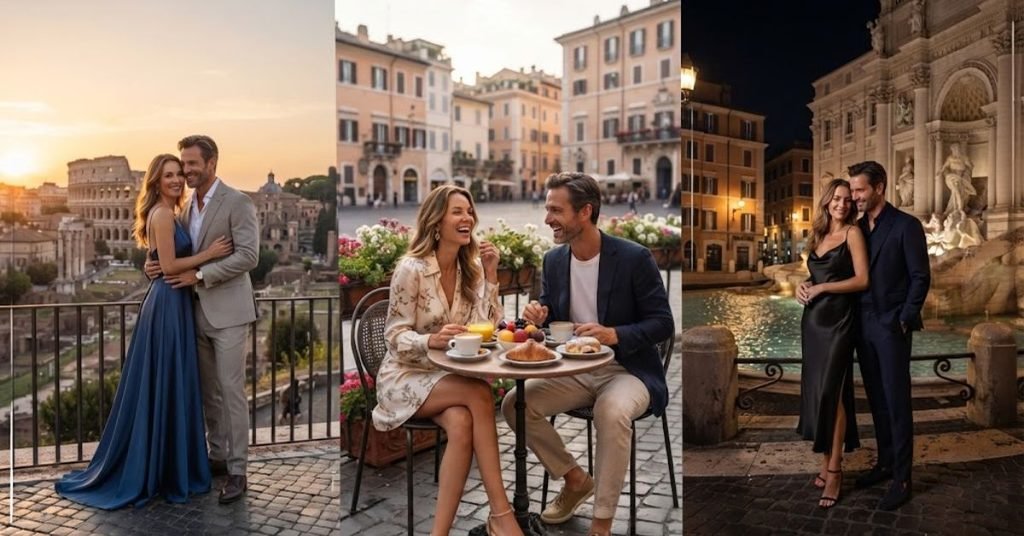
Three days can provide a strong introduction to Rome without turning every day into a race.
Day 1: Ancient Rome
Start with the Colosseum.
Continue toward the Roman Forum and Palatine Hill. Later, walk through Monti and enjoy dinner nearby.
Keep the evening relaxed.
Day 2: Vatican and Central Rome
Spend the morning around Vatican City.
After lunch, head toward the historic center.
Explore the Pantheon, Piazza Navona, and Trevi Fountain, then enjoy dinner at a nearby local restaurant.
Day 3: Rome at a Slower Pace
Start with a relaxed breakfast.
Explore a neighborhood such as Trastevere or visit a museum based on your interests.
Leave time for shopping, cafés, photography, and an unplanned walk.
This approach gives you room to enjoy Rome instead of checking attractions off a list.
5-Day Rome Itinerary
Five days allow more flexibility.
Day 1: Colosseum and Roman Forum
Focus on ancient Rome and explore nearby streets afterward.
Day 2: Vatican City
Set aside most of the day to explore the Vatican and its surrounding attractions.
Day 3: Historic Center
Explore the Pantheon, Piazza Navona, and Trevi Fountain, then wander through the nearby historic streets.
Day 4: Neighborhoods and Museums
Choose between Trastevere, Villa Borghese, museums, or other areas that match your interests.
Day 5: Flexible Rome
Use your last day to explore any attractions or places you did not get to visit earlier.
You could also take a relaxed food-focused day or explore less crowded areas.
This flexible approach is especially useful for travelers booking Rome package vacations because you can choose tours without filling every hour of the trip.
Rome Packages for Different Travelers
The best package depends on who is traveling and what they value most.
Couples
Couples may prefer centrally located hotels, sunset walks, comfortable restaurants, and a slower itinerary.
A package with breakfast and airport transfers can also make a short romantic trip easier.
Families
Families should prioritize hotel location, room configuration, transportation, and manageable sightseeing days.
Avoid scheduling several long museum visits on the same day.
Solo Travelers
Solo travelers often benefit from flexible packages.
A hotel near public transportation can make independent sightseeing easier.
Budget Travelers
Budget travelers should compare accommodation, transportation, meals, and attraction costs separately.
Free walking routes and public spaces can reduce daily spending.
Luxury Travelers
Luxury packages may include premium hotels, private transfers, private guides, and curated dining experiences.
However, premium does not always mean better. Select services that add real value and make your travel experience more comfortable.
Food and Local Experiences
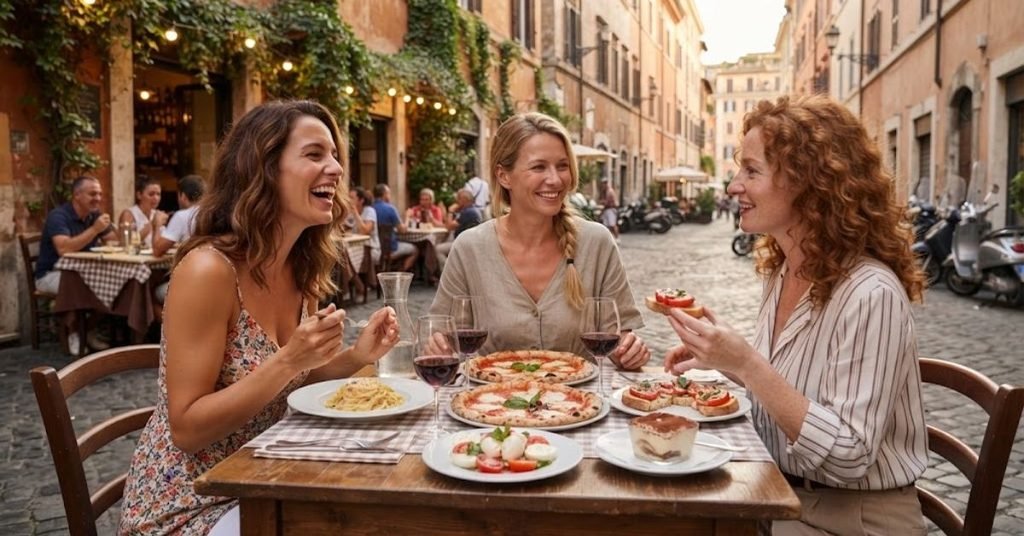
Food is a major part of the Rome experience.
Try traditional Roman dishes such as carbonara, cacio e pepe, amatriciana, and Roman-style pizza.
You can also explore local markets, cafés, bakeries, and neighborhood restaurants.
Do not plan every meal around famous tourist streets. Walking a little farther from busy tourist areas may help you find a quieter restaurant with a more peaceful setting.
When dining, check the menu and prices before ordering. This simple habit can help avoid unexpected costs.
Common Mistakes
Rome is easier to enjoy when you avoid a few common planning mistakes.
Booking Only by Package Price
The cheapest package may exclude important services.
Better approach: compare the full price, including baggage, transfers, taxes, meals, and attraction tickets.
Choosing a Hotel Without Checking Location
A beautiful hotel far from your planned attractions can waste valuable vacation time.
Better approach: check walking distances and transportation connections before booking.
Planning Too Many Attractions
Rome rewards slower exploration.
Better approach: group nearby sights and leave gaps between major activities.
Ignoring Ticket Requirements
Popular attractions can have timed entry or limited availability.
Better approach: check official attraction information before finalizing your itinerary.
Forgetting Comfortable Shoes
Rome involves plenty of walking.
Better approach: pack supportive shoes and expect uneven historic streets.
Troubleshooting Travel Problems
Even a well-planned trip can experience problems.
Delayed Flights
Keep your hotel confirmation and transfer information accessible.
If your package includes a transfer, check the provider’s instructions for flight delays.
Lost Luggage
Pack your important documents, valuables, essential medicines, and a spare outfit in your carry-on bag.
Report missing luggage at the airport before leaving.
Unexpected Hotel Charges
Review your hotel confirmation carefully.
Ask about taxes, deposits, breakfast, and other charges at check-in.
Attraction Closures
Opening hours and access arrangements can change.
Always check official attraction information close to your travel date.
Visa Problems
Visa rules can vary based on your nationality, country of residence, reason for travel, and planned stay.
Italy’s Ministry of Foreign Affairs states that travelers can use the official Visa for Italy process to determine whether they need a visa and review the applicable requirements.
Do not rely on old visa information from blogs or social media.
Best Practices for Booking
Use these steps before purchasing a package.
- Choose your dates first.
Choosing flexible travel dates can help you find a wider range of flights and hotel options. - Set a realistic budget.
Include food, transport, attractions, and unexpected expenses. - Compare package inclusions.
Check flights, baggage, hotel, breakfast, transfers, tours, and cancellation rules. - Check the hotel location.
Look at walking distances and public transportation. - Review cancellation terms.
Flexible bookings can be valuable if your plans may change. - Verify entry requirements.
Use official government sources for current visa information. - Reserve major attractions early when necessary.
This can make your daily schedule easier to manage. - Leave free time.
Rome is best enjoyed at a relaxed pace, giving you time to take in its history, beauty, and atmosphere.
For broader international trip planning ideas, the Travel the World Guide on Tripzunos can also help you think about destinations, planning steps, and travel preparation.
Key Takeaways
- Choose a package based on total value, not the advertised starting price.
- Compare flights, hotels, transfers, baggage, and attraction inclusions.
- Stay near the attractions you most want to see, and allow at least three days to experience Rome on your first visit.
- Group nearby attractions to reduce unnecessary travel.
- Book popular attractions according to current official requirements.
- Check visa rules based on your nationality and residence.
- Keep your itinerary flexible enough for unexpected changes.
- Wear comfortable shoes for Rome’s walking-heavy sightseeing.
- Verify prices, schedules, entry rules, and opening hours before departure.
Conclusion
Rome can be an excellent choice for a history-filled European vacation, but the right package makes a difference.
A good package should match your travel dates, budget, hotel preferences, and sightseeing plans. It should also make the total cost clear before you pay.
For most first-time visitors, three to five days provides a useful balance between major attractions and relaxed exploration. Compare packages carefully, check official travel information, and leave room to enjoy Rome beyond its famous landmarks.
Once your dates are set, compare the total package cost and choose the option that offers the best mix of location, convenience, and flexibility.
Frequently Asked Questions
Are Rome package vacations worth it?
They can be worthwhile when flights, accommodation, transfers, or tours cost less together than separately. Always compare the full final price.
How long should you stay in Rome for a first visit?
Three days is a good starting point for first-time visitors to Rome. Five days gives you more time for museums, neighborhoods, and slower sightseeing.
What do Rome package vacations usually include?
Packages may include flights, hotels, breakfast, airport transfers, tours, attraction tickets, or travel insurance. Inclusions vary by provider.
What is the best area to stay in Rome?
The historic center is convenient for first-time visitors. Monti, Trastevere, and Prati can also suit different travel styles.
What is the best time for Rome package vacations?
Spring and fall are ideal seasons for enjoying Rome in pleasant sightseeing weather.
Summer is busier, while winter can offer a quieter experience.
Are Rome vacation packages good for families?
Yes. Families can benefit from packages that include convenient hotels, transfers, and manageable sightseeing schedules.
Do you need a visa to travel to Rome?
Visa requirements depend on your nationality, residence, purpose of travel, and stay length. Check Italy’s official visa information before booking.
How should I get around Rome?
Walking works well in central areas. Metro, buses, and taxis can help with longer journeys.
Are Rome package vacations suitable for couples?
Yes. Couples can choose packages with centrally located hotels, comfortable dining options, and free time for romantic walks and experiences.
How can I avoid unexpected vacation costs?
Check baggage, taxes, transfers, hotel charges, attraction tickets, insurance, and cancellation terms before confirming your booking.
After-Article Items
1. 10 SEO Tags
- Rome package vacations
- Rome vacation packages
- Rome Italy vacations
- Rome travel packages
- Rome holiday packages
- Italy vacation packages
- Rome travel guide
- Rome trip planning
- Rome sightseeing
- Rome travel tips
Internal Linking Suggestions
| Anchor Text | Suggested Tripzunos Page |
| romantic trips for couples | https://tripzunos.com/romantic-trips-for-couples/ |
| beautiful places on Earth | https://tripzunos.com/beautiful-places-on-earth/ |
| most beautiful places on Earth | https://tripzunos.com/most-beautiful-places-earth/ |
| cool weekend vacation ideas | https://tripzunos.com/cool-weekend-vacation-ideas/ |
| Travel the World Guide | https://tripzunos.com/travel-the-world-guide/ |
Authoritative External References
- Turismo Roma — Official Rome Tourism Website — Official tourism information for attractions, events, itineraries, transport, and visitor services. (Turismo Roma)
- Italian Ministry of Foreign Affairs — Entry Visa Information — Official information about Italian and Schengen entry visas. (Ministry of Foreign Affairs)
Social Media Title
Rome Package Vacations: Your Complete Guide to an Unforgettable Italian Getaway


