

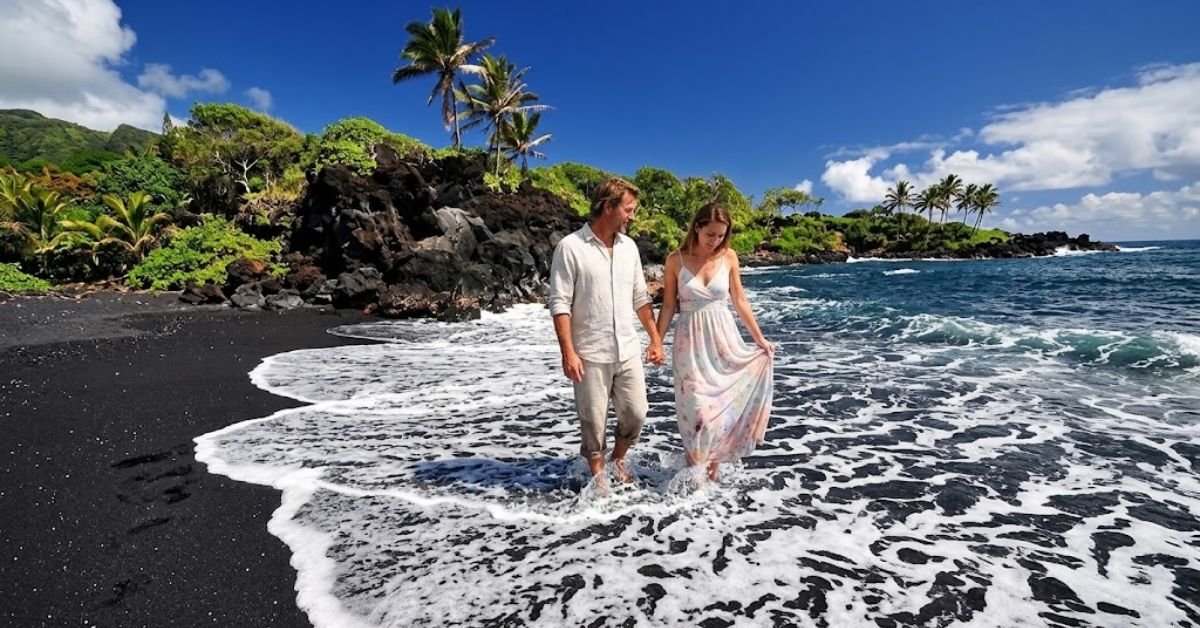
Quick Answer
Black sands beach destinations offer some of the most unique coastal views in the world. From Hawaii’s volcanic shores to Iceland’s dramatic black beaches, these places attract travelers with their dark sand, beautiful landscapes, and unforgettable experiences.
Some remarkable destinations include Punaluʻu and Pohoiki in Hawaii, Reynisfjara and Diamond Beach in Iceland, and Playa Jardín in Tenerife.
Each offers a different experience, from tropical scenery to dramatic volcanic landscapes. Before visiting, check local access, weather, and ocean safety conditions.
Author Information
- Author: Gulnaz Malik
- Role: Founder, Publisher & Travel Content Specialist
- Experience: 5+ Years in Travel, Destination Research, Tourism, Digital Content, and Travel Planning
- Content Review: Travel guidance should be checked against official tourism resources, government information, and reliable destination research.
- Last Updated: October 2026
Introduction
A black sands beach offers a striking alternative to the golden shores and white-sand coastlines many travelers expect from a seaside holiday. Its dark shoreline, contrasting waves, unusual rock formations, and dramatic scenery can make a coastal visit feel completely different.
Many of these beaches developed in volcanic regions where lava cooled into dark rock. Over time, waves and erosion broke down the rock into smaller grains.
However, not every dark shoreline has the same geological history, and each destination has its own character. Some beaches offer tropical surroundings and opportunities to observe wildlife.
Others feature towering cliffs, cold Atlantic waves, glacial ice, or rugged walking routes. Choosing the right black sands beach depends on your travel style, available time, budget, and preferred activities.
This guide explores seven remarkable destinations, explains when to visit, and shares practical advice about transportation, accommodation, photography, and safety. It also covers common travel mistakes and ways to plan a memorable coastal trip without unnecessary expenses.
Table of Contents
- What Makes a Black Sands Beach Unique?
- 7 Best Black Sand Beaches Around the World
- When Is the Best Time to Visit?
- How to Plan Your Beach Trip
- Things to Do and Photography Tips
- Common Mistakes to Avoid
- Best Practices and Travel Troubleshooting
- Key Takeaways
- Frequently Asked Questions
- Conclusion
What Makes a Black Sands Beach Unique?

A black sands beach usually forms when dark volcanic material breaks into small particles and accumulates along the coast. Waves, weather, rivers, and other natural processes help move and reshape this material over time.
The result is a shoreline that looks different from beaches made mainly of pale sand. Dark grains create a strong contrast with white foam, green coastal plants, blue water, and bright sunlight. In Iceland, black sand can also provide a dramatic background for pieces of glacial ice.1. Go Hawaii — Punaluʻu Black Sand Beach
These coastlines appeal to several types of travelers:
- Nature lovers can observe unusual geological features and coastal landscapes.
- Photographers can capture strong contrasts between sand, sea, rock, and sky.
- Adventure travelers can explore nearby viewpoints, walking trails, and volcanic areas.
- Couples can enjoy scenic drives and quiet coastal walks where conditions allow.
- Families can learn about geology and nature while choosing activities suitable for their children’s ages.
However, a dark shoreline does not automatically make a beach safe for swimming. Powerful waves, sudden currents, steep underwater slopes, slippery rocks, and cold water can create serious hazards.
Some destinations are best enjoyed from designated viewpoints rather than from the water’s edge. Understanding the difference helps you choose activities that fit the location instead of treating every beach as a conventional swimming destination.
For travelers interested specifically in Hawaii, our guide to Hawaii Island black sand beaches offers additional destination-specific planning information.
Best Black Sands Beach Destinations Around the World
The following destinations offer different landscapes, facilities, and travel experiences. Use them as a shortlist rather than assuming every beach will suit every visitor.
1. Punaluʻu Black Sand Beach, Hawaii, USA
Punaluʻu is one of Hawaii Island’s best-known dark-sand destinations. Located along the southeastern Kaʻū coast, it is recognized for its black shoreline, tropical vegetation, and opportunities to observe Hawaiian green sea turtles from a respectful distance.
The contrast between dark sand and green coconut palms makes the beach particularly attractive for photography. Visitors can take in Hawaii Island’s natural beauty, spot native coastal wildlife, and discover nearby attractions suited to different interests.
Punaluʻu can also fit into a broader trip focused on volcanic landscapes and the island’s natural environment. Rather than rushing through several distant attractions, allow enough time to enjoy the coast and travel safely between stops.
Best for: Nature lovers, landscape photographers, and travelers exploring Hawaii Island.
Practical tip: Check current access arrangements, parking, facilities, and local rules before departureKeep a safe distance from sea turtles, and never touch, feed, chase, or interfere with their movement. Their protection is more important than getting a close photograph.
2. Reynisfjara Beach, Iceland
Reynisfjara, near the village of Vík on Iceland’s South Coast, is famous for its black volcanic sand, towering basalt columns, and Reynisdrangar sea stacks.
The surrounding landscape feels dramatic, particularly when Atlantic waves break against the shore. The beach can be an unforgettable stop on a road trip through southern Iceland, especially for travelers interested in geology and landscape photography.
However, this is not an ordinary swimming beach. Powerful sneaker waves can surge much farther up the shore than visitors expect. Even apparently calm conditions do not guarantee safety.
Best for: Photography, geological scenery, and sightseeing along Iceland’s South Coast.
Practical tip: Wear weather-appropriate clothing and allow extra time for changing road and weather conditions. Treat safety instructions as mandatory, not optional.
3. Diamond Beach, Iceland
Diamond Beach lies beside Jökulsárlón Glacier Lagoon in southeastern Iceland. Pieces of glacial ice sometimes wash onto the dark shoreline, creating the appearance of bright crystals scattered across black sand.
The amount, size, and arrangement of ice change with weather, tides, and ocean conditions. You may see large transparent pieces during one visit and a relatively empty shoreline during another.
Many visitors combine the beach with a stop at the nearby glacier lagoon. This makes it possible to experience two distinctive landscapes without treating them as unrelated destinations.
Best for: Photographers, couples, and travelers exploring Iceland’s southeastern coast.
Practical tip: Never climb onto icebergs or stand close to unstable ice near the waves. Keep a safe distance from the water and allow additional time for winter driving or poor visibility.
4. Pohoiki Black Sands Beach, Hawaii, USA
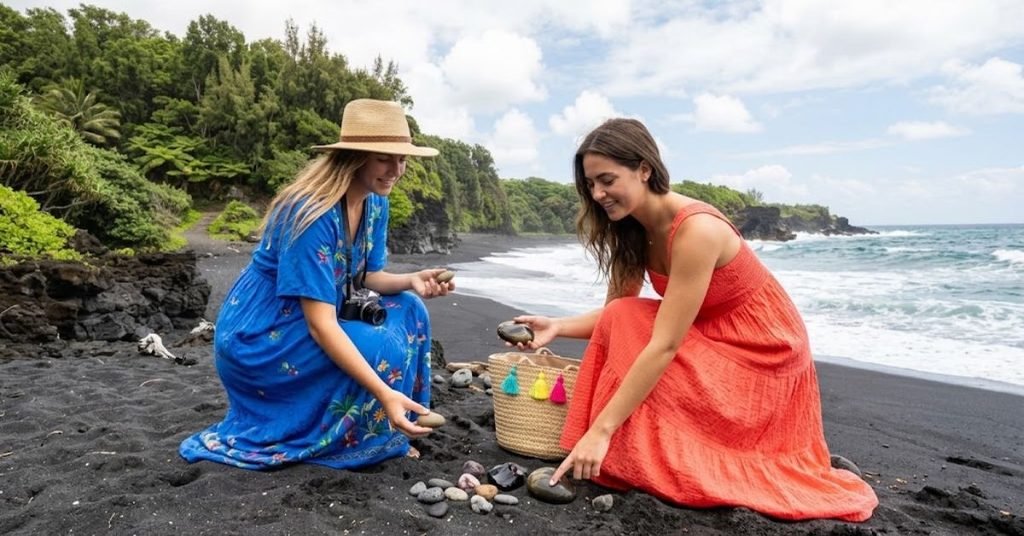
Pohoiki, also known as Isaac Hale Beach Park, lies in the Puna area of Hawaii Island. Its dark volcanic shoreline reflects the powerful geological processes that have shaped the region, including the 2018 Kīlauea eruption.
The surrounding environment differs from Hawaii’s polished resort areas. Travelers who enjoy natural landscapes may appreciate its rugged character and the opportunity to learn about volcanic change.
Pohoiki can complement a wider exploration of Hawaii Island, but it is important to research the specific route and conditions rather than relying on old travel descriptions.
Best for: Travelers interested in volcanic landscapes and less conventional coastal scenery.
Practical tip: Confirm current road access, parking, facilities, and ocean warnings. Conditions and local arrangements can change, so avoid assuming that every area is open or suitable for swimming.
5. Playa Jardín, Tenerife, Spain
Playa Jardín is a distinctive dark-sand beach in Puerto de la Cruz on Tenerife’s northern coast. Its landscaped surroundings, ocean views, and proximity to town amenities make it a practical option for visitors who want coastal scenery alongside restaurants and sightseeing.
Unlike remote beaches that require a long journey, Playa Jardín can fit into a broader island itinerary. Travelers can spend time by the coast, explore Puerto de la Cruz, and visit other accessible attractions.
The beach’s dark sand creates a strong contrast with the Atlantic, while the surrounding gardens add greenery to the landscape.
Best for: Travelers who prefer convenient coastal visits, couples, and visitors exploring Tenerife.
Practical tip: Check local swimming flags and beach conditions before entering the water. Atlantic waves and currents can change, even when the weather appears pleasant.
6. Playa de Benijo, Tenerife, Spain
Playa de Benijo offers a rugged coastline in Tenerife’s Anaga area. Dark sand, offshore rock formations, and steep green slopes give the beach a more secluded atmosphere than many developed resort areas.
The journey can be part of the experience, particularly for visitors who enjoy scenic drives and natural viewpoints. Sunset light may create attractive colors across the shoreline, although clouds, wind, and visibility can affect the view.
This destination is better suited to travelers who value natural scenery than those seeking a fully serviced beach resort.
Best for: Photographers, nature enthusiasts, and travelers exploring northern Tenerife.
Practical tip: Check road access, parking, walking routes, and surf conditions. Do not approach the water or rocky areas when conditions are dangerous.
7. Karekare Beach, New Zealand
Karekare lies on Auckland’s rugged west coast. Its dark sand, green hills, and broad ocean views create a striking setting for visitors seeking a nature-focused excursion.
The beach can be part of a wider trip around Auckland, combining coastal scenery with suitable walking routes and other outdoor attractions. Unlike urban beaches with extensive development, this destination appeals to visitors who enjoy natural scenery and wide, unspoiled surroundings.
However, the exposed coastline can experience powerful surf and changing weather. The absence of a busy resort atmosphere should not be mistaken for an absence of hazards.
Best for: Nature lovers, photographers, and travelers seeking dramatic scenery near Auckland.
Before setting out, review local safety alerts, current road updates, and whether the walking trails are open to visitors.
Stay cautious near the water and choose activities that match your experience and fitness.
What Is the Ideal Season to Visit a Black Sand Beach?
The best time to visit depends on the destination’s climate, local conditions, and activities you want to enjoy. A tropical beach in Hawaii requires different preparation from an exposed coastline in Iceland.
Hawaii and Tenerife may appeal to travelers seeking warmer weather and coastal sightseeing. Iceland offers striking scenery throughout the year, but winter can bring limited daylight, cold temperatures, and difficult driving conditions. Karekare’s weather can also affect walking routes and ocean safety.
Use this comparison to narrow your options.
| Destination | Main planning consideration | Suitable travel style |
| Punaluʻu, Hawaii | Local access and ocean conditions | Tropical sightseeing |
| Reynisfjara, Iceland | Sneaker waves and warning systems | Coastal photography |
| Diamond Beach, Iceland | Daylight, weather, and ice conditions | Scenic road trips |
| Playa Jardín, Tenerife | Swimming flags and seasonal weather | Town and beach holidays |
| Karekare, New Zealand | Surf conditions and track access | Nature excursions |
These are general planning considerations, not guarantees of suitable weather or safe swimming.
Is Morning or Afternoon Better for a Black Sand Beach Visit?
Morning visits often provide more flexibility for sightseeing, driving, and adjusting your schedule. They are particularly convenient for travelers planning to explore several nearby attractions within a single day.
Afternoon visits may offer attractive lighting for photography and a more relaxed pace. However, avoid leaving unfamiliar beaches until darkness if you need daylight to navigate coastal roads or walking paths.
Check local opening arrangements where applicable, sunrise and sunset times, and weather forecasts before deciding when to visit. Plan your visit with plenty of time to appreciate the scenery at a comfortable pace.
How to Plan Your Black Sands Beach Trip
Good planning helps you spend more time enjoying the coastline and less time dealing with unexpected transport or accommodation problems. Start by choosing a destination, checking access, and deciding how long you can comfortably stay.
Transportation and Accommodation
Transportation depends on the destination. A rental car may offer flexibility on Hawaii Island and in parts of Iceland, Tenerife, and New Zealand. Organized tours can be useful when you prefer not to drive, while public transport may work for some developed coastal areas.
Before booking, compare the complete journey rather than just the distance. Traffic, parking, walking time, road closures, and weather can all affect your schedule.
Accommodation should match your itinerary. Consider these approaches:
- Hawaii: Choose a practical base for your planned island activities rather than assuming every attraction is close together.
- Iceland: Consider overnight stops along the South Coast if you plan to visit several distant attractions.
- Tenerife: Staying near Puerto de la Cruz can suit visitors exploring the northern coast.
- New Zealand: Compare Auckland accommodation with the driving time required for a coastal excursion.
Check cancellation policies, parking arrangements, check-in times, and access to restaurants before paying. A cheaper room may not provide good overall value if it adds substantial transport costs.
For more help with organizing your schedule, read our guide to how to organise a trip.
How Much Does a Beach Trip Cost?
Your overall trip budget will vary based on where you start your journey, when you travel, where you stay, how you get around, and which experiences you choose. The beach itself may have no entry charge, but reaching it can still be expensive.
Instead of relying on a single price estimate, prepare a simple budget covering:
- Return flights or other long-distance transport.
- Accommodation for every night.
- Car rental, fuel, public transport, or tour fees.
- Meals, snacks, and drinking water.
- Parking or entry fees where applicable.
- Travel insurance and appropriate clothing.
- An emergency reserve for delays or unexpected expenses.
You can reduce costs by visiting fewer destinations, staying several nights in one suitable base, and preparing some meals when practical. Compare accommodation and transport together rather than choosing each option independently.
If you want to extend your holiday beyond the coastline, explore our guide to the best tropical vacation destinations for additional ideas. It allows you to explore various types of holidays and decide how to allocate your travel budget wisely.
A Simple Three-Day Coastal Itinerary
A three-day plan works well when you have chosen a main destination and want time to explore without changing accommodation every night.
Day 1: Arrive and explore the surroundings
Check into your accommodation, confirm local access and weather information, and visit the main beach if conditions permit. Leave your arrival day open for adjustments if your trip takes more time than planned.
Day 2: Enjoy the main coastal attractions
Spend time exploring designated viewpoints, geological features, and nearby attractions. Choose activities that match the location’s conditions. At dangerous beaches such as Reynisfjara, remain well back from the water.
Day 3: Visit a nearby attraction and depart
Choose one additional stop that fits your route. Allow enough time for meals, packing, transport, and unexpected delays.
For a longer trip, add rest days or carefully selected excursions rather than filling every hour. A realistic itinerary usually provides a better experience than a crowded schedule.
Things to Do and Photography Tips
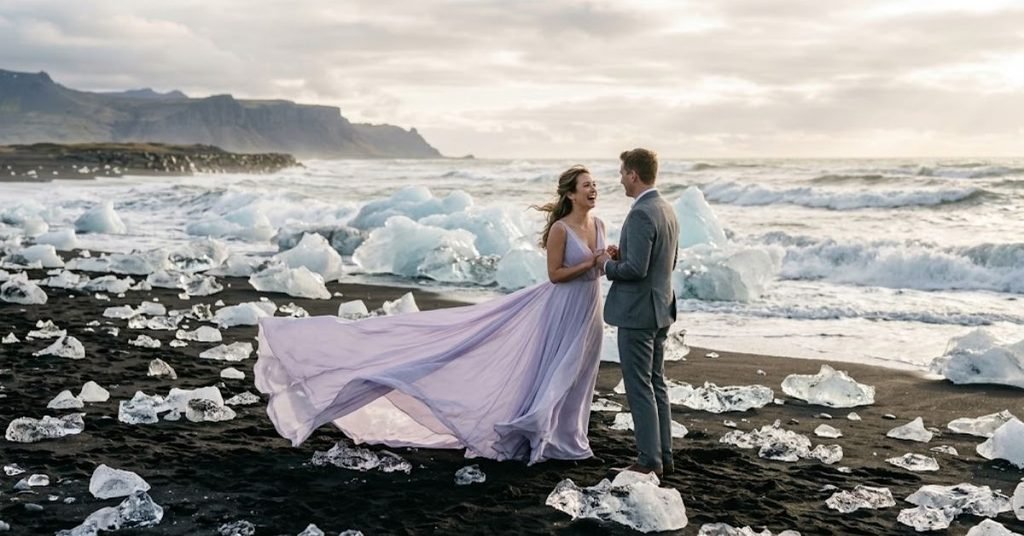
A visit to a black-sand coastline does not need to revolve around swimming. In many destinations, the most rewarding experiences involve exploring the landscape, observing natural features, and photographing the contrast between dark sand and the surrounding environment.
Capture wide landscape views. Include the coastline, sky, and nearby cliffs to show the scale of the setting. A wider composition can communicate more about the destination than a close-up of the sand alone.
Look for natural contrast. White sea foam, green vegetation, bright ice, and colorful skies can stand out against dark volcanic grains. Observe how the light changes the scene throughout the day.
Explore permitted viewpoints. Some coastlines offer excellent views from designated paths or safe observation areas. You do not need to approach dangerous waves to take an interesting photograph.
Learn about local geology. Reading about volcanic activity and erosion can make the visit more meaningful. It also helps you understand why one beach may have fine dark grains while another contains larger fragments of rock.
Respect wildlife. If you encounter turtles, seabirds, or other coastal animals, observe them without touching, feeding, chasing, or blocking their movement.
Protect your phone or camera from salt spray, wind, and blowing sand. Secure your equipment near exposed viewpoints, and never move closer to hazardous water just to improve a photograph.
Common Mistakes to Avoid
A little preparation can prevent wasted travel time and help you enjoy the coast more responsibly.
- Assuming every beach is suitable for swimming: Dark sand says nothing about currents or wave strength. Check local warnings and follow instructions.
- Relying on outdated travel information: Access rules, facilities, and roads can change. Confirm current details before leaving.
- Planning too many stops: Long drives can leave little time to enjoy each destination. Choose a realistic route.
- Packing unsuitable clothing: Wind and sudden weather changes can make exposed beaches uncomfortable. Bring layers and waterproof outerwear where appropriate.
- Disturbing wildlife: Keep a respectful distance from animals and follow conservation rules.
- Taking natural materials home: Leave sand, rocks, and other natural features where they belong, and check local regulations.
- Ignoring the return journey: Allow enough daylight and time to reach your accommodation safely.
Best Practices and Travel Troubleshooting

Keep your plans flexible because coastal conditions can change unexpectedly. Before departure, check official tourism information, local weather forecasts, marine warnings, and transport updates.
Use these practical steps:
- Save directions and important booking details for offline access.
- Bring drinking water, light snacks, sunscreen, and comfortable shoes for your outings.
- Make sure your phone has enough battery and keep your valuables safely stored.
- Follow warning signs, barriers, and instructions from local authorities.
- Leave enough time for meals, rest, and unexpected delays.
- Keep an alternative attraction in mind in case the beach becomes inaccessible.
If the beach is closed: Do not cross barriers or search for unofficial access routes. Choose another permitted attraction and check for updates before returning.
If the weather becomes dangerous: Leave exposed areas when instructed and follow local emergency advice. Do not remain near cliffs or the shoreline to finish taking photographs.
If transport is delayed: Contact your rental company or tour operator, update your accommodation if necessary, and remove less important stops from your schedule.
If swimming is prohibited: Enjoy permitted viewpoints and surrounding scenery instead. A beach can still be worth visiting without entering the water.
If you’re planning a wider holiday, our guide to dream vacation destinations offers additional inspiration for choosing a trip that matches your interests.
Key Takeaways
- Black sand often forms when volcanic rock breaks down through natural erosion.
- Punaluʻu, Pohoiki, Reynisfjara, Diamond Beach, Playa Jardín, Playa de Benijo, and Karekare offer distinctive coastal scenery.
- Swimming safety depends on local conditions, not the color or appearance of the sand.
- Check weather, access, transport, and accommodation before traveling.
- Build a realistic itinerary with time for rest and unexpected changes.
- Respect wildlife and leave natural materials undisturbed.
- Choose activities that suit the destination and your travel style.
Frequently Asked Questions
1. What is a black sands beach?
A black sand beach is a shoreline covered in dark sand, often formed from volcanic rock broken down by waves and erosion.
2. Which destinations are known for their stunning black sand beaches?
Popular destinations include Punaluʻu in Hawaii, Reynisfjara and Diamond Beach in Iceland, Tenerife’s volcanic beaches, and Karekare in New Zealand.
3. Why is Punaluʻu Black Sand Beach famous?
Punaluʻu is known for its dark volcanic shoreline, tropical surroundings, and opportunities to observe Hawaiian green sea turtles from a respectful distance.
4. Is Reynisfjara Beach safe for families?
Families can admire the scenery while following all safety restrictions. Its powerful sneaker waves make approaching the water extremely dangerous.
5. When should you visit a black sands beach?
The best time depends on the destination, weather, daylight, and planned activities.
Check the local conditions before your trip.
6. What should you pack for a black sands beach trip?
Bring suitable footwear, drinking water, sun protection, weather-appropriate clothing, and a charged phone. Pack waterproof layers for colder or exposed destinations.
7. Can you take black sand home as a souvenir?
It is best to leave natural materials undisturbed. Check local rules and consider photographs or locally made souvenirs instead.
Conclusion
A black sand beach offers more than an unusual shoreline. It provides an opportunity to explore volcanic landscapes, observe natural processes, and experience coastlines that look very different from traditional sandy beaches.
From Hawaii’s tropical scenery to Iceland’s dramatic Atlantic coast, each destination has something distinctive to offer. The right choice depends on your budget, available time, preferred activities, and comfort with local conditions.
Before booking, verify current access and safety information, choose accommodation that suits your route, and plan activities around the local weather.
Choose one destination, check its current conditions, and build a manageable itinerary around the experiences that interest you most. With thoughtful preparation, you can enjoy these remarkable coastlines while helping protect them for future visitors.
SEO Tags
- Black Sands Beach
- Black Sand Beaches
- Volcanic Beaches
- Hawaii Black Sand Beach
- Iceland Black Sand Beach
- Punaluʻu Beach
- Reynisfjara Beach
- Diamond Beach Iceland
- Unique Beaches Around the World
- Black Sand Beach Travel Guide
Internal Links
1. Hawaii Island Black Sand Beach
5. Best Tropical Vacation Destinations
External Links
Visit Iceland – Black Beaches Guide
Go Hawaii – Punaluʻu Black Sand Beach
Social Media Title
7 Stunning Black Sand Beaches That Deserve a Place on Your Travel List


