


Quick Answer
The best road trip ideas include coastal drives, mountain adventures, national park visits, countryside escapes, and food-focused journeys.
Choose a route that matches your budget, available time, and interests. Plan realistic driving distances, book suitable accommodation, check road conditions, and leave room for unexpected stops
.A well-planned schedule can make even a short day trip a rewarding experience.
Author Information
- Author: Gulnaz Malik
- Role: Founder, Publisher & Travel Content Specialist
- Experience: 5+ Years in Travel, Destination Research, Tourism, Digital Content & Travel Planning
- Content Review: Travel information should be checked against official tourism resources, government guidance, and current local conditions before publication.
- Last Updated: October 2026
Introduction
Road trip ideas can turn an ordinary drive into an opportunity to discover new landscapes, interesting towns, and memorable local experiences. You might follow a coastal highway, explore a mountain region, visit a national park, or spend a weekend discovering small towns along a country road.
The appeal lies in the freedom to choose your own stops and adjust your schedule. However, a rewarding journey needs more than an attractive destination. You should also consider driving time, accommodation, fuel costs, weather, and the needs of everyone travelling with you.
This guide explores different road trip styles, scenic destinations, budget-friendly planning methods, and practical itineraries. Whether you are travelling alone, with friends, as a couple, or with children, you will find ways to plan a more comfortable and enjoyable journey.
Table of Contents
- Best Road Trip Ideas for Different Travel Styles
- Scenic Road Trip Destinations to Explore
- Road Trip Ideas for Families, Couples, and Solo Travelers
- How to Plan a Road Trip on a Budget
- Best Time to Take a Road Trip
- Choosing Transportation and Accommodation
- One-Day, Three-Day, Five-Day, and Seven-Day Itineraries
- Common Road Trip Mistakes
- Troubleshooting Road Trip Problems
- Best Practices for a Better Journey
- Frequently Asked Questions
- Key Takeaways
- Conclusion
Best Road Trip Ideas for Different Travel Styles
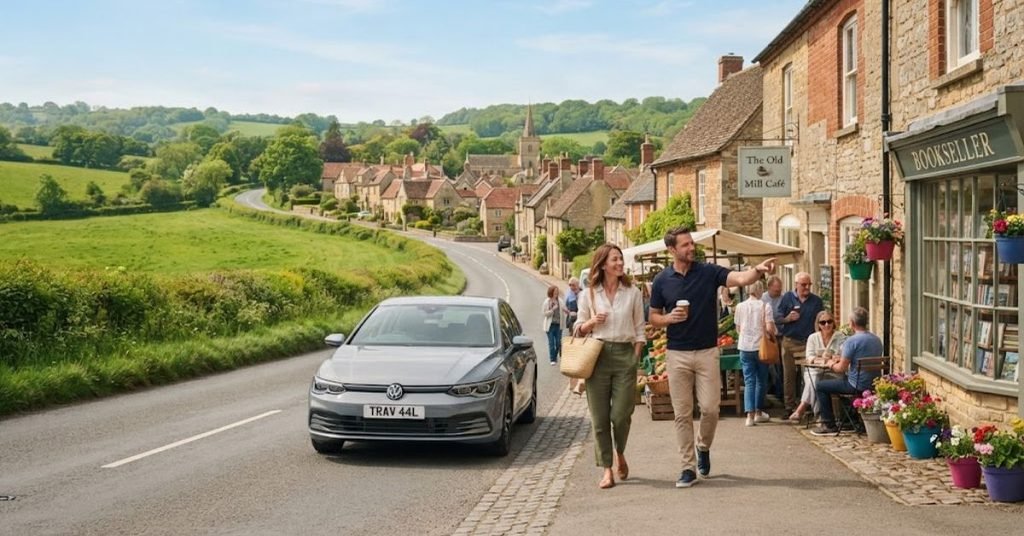
Choose a road trip that matches your interests and the experiences you want to enjoy along the way.
Some travellers want dramatic scenery, while others prefer local food, historic attractions, outdoor activities, or quiet places to relax.
Start by choosing the main purpose of your journey. Then select a route with a few interesting stops rather than trying to visit every attraction in one trip.
1. Coastal Road Trip Ideas
Routes along the coast are ideal for travellers who love sea views, peaceful beach strolls, and charming seaside towns. A single route might include scenic viewpoints, waterfront cafés, fishing villages, and sandy beaches.
Allow plenty of time to pull over safely at designated scenic stops and enjoy the views without rushing. Check beach conditions before swimming and research parking options near popular attractions.
For a weekend escape, choose one coastal region and explore it slowly. You can spend the first day visiting small towns, then dedicate the next morning to a beach or nature reserve.
Best for: Couples, families, photographers, and travellers seeking a relaxed break.
2. Mountain Road Trip Ideas
Mountain journeys offer winding roads, forest landscapes, fresh air, and opportunities for hiking. Many routes also pass through villages where visitors can experience local food and regional traditions.
However, mountain driving requires careful preparation. Sharp bends, steep gradients, limited visibility, and changing weather can affect travel times.
Select a vehicle that fits the terrain and conditions of your planned route, and review any road restrictions before setting off.
If you plan to hike, research trail difficulty and daylight hours.
Best for: Nature lovers, adventure travellers, photographers, and couples.
3. National Park Road Trip Ideas
National parks are excellent choices for travellers who want to combine driving with outdoor exploration. Depending on the park, activities may include wildlife watching, short hikes, cycling, picnicking, and visiting scenic overlooks.
Select a few attractions that fit comfortably into your schedule. Some parks have limited fuel stations, mobile coverage, food outlets, and public facilities.
Check entrance requirements, permits, seasonal closures, and local safety guidance before setting off. The National Park Service’s driving safety guidance provides useful advice for travelling through park areas.
Ideal for families, nature enthusiasts, photography lovers, and travellers who enjoy outdoor adventures.
4. Countryside Roads and Small Towns
A countryside journey offers a slower alternative to busy cities. Explore local markets, discover small independent stores, wander through historic neighbourhoods, and stop for a meal at a family-run café. Instead of travelling across a wide area, focus on two or three nearby towns that you can reach comfortably by car.
Staying longer in each place gives you more time to explore.
Check opening days before visiting smaller attractions. Some rural businesses operate limited hours, especially outside the main tourist season.
Best for: Slow travellers, food enthusiasts, couples, and anyone seeking a peaceful getaway.
5. Food-Focused Road Trips
Food-focused journeys turn regional cuisine into the main attraction. You can plan stops around local bakeries, traditional restaurants, food markets, farms, and seasonal festivals.
Research a few places in advance, but leave space for spontaneous discoveries. A small café or roadside market may become one of the most enjoyable stops of your trip.
If you expect long waits at popular restaurants, make reservations where possible. Always arrange safe transportation if your plans involve alcohol.
Best for: Food lovers, couples, groups of friends, and culturally curious travellers.
6. Historic Road Trip Ideas
Heritage-focused drives take you to fascinating places such as museums, historic neighbourhoods, vintage railway stations, ancient forts, and communities that preserve local traditions.
These journeys can help you understand how a region developed while allowing time to enjoy its present-day culture.
Choose destinations with a shared historical theme or regional connection. For example, you could explore several historic towns, follow a recognised heritage route, or visit museums and architectural landmarks along the way.
Check opening hours and ticket requirements before departure. Some historic sites offer guided visits only at specific times.
Best for: History enthusiasts, families with older children, photographers, and culture-focused travellers.
Scenic Road Trip Destinations to Explore
Some destinations are memorable because of the landscapes along the way. These established routes offer different experiences, from ocean views to desert scenery and mountain villages.
Pacific Coast Highway Road Trip Ideas
California’s Pacific Coast Highway appeals to travellers who enjoy ocean cliffs, beach communities, and coastal viewpoints. A selected stretch around Monterey and Big Sur can provide plenty of scenery without requiring a drive along the entire coastline.
The plan stops around designated viewpoints and nearby towns. Allow extra time for winding roads, traffic, and photography. Before departure, check for road closures and construction that could affect your chosen section.
Suggested duration: Three to five days for a relaxed coastal journey.
Blue Ridge Parkway Road Trip Ideas
The Blue Ridge Parkway is known for mountain overlooks, forest scenery, and access to outdoor recreation. Travellers can stop for photographs, explore nearby communities, or take short walks through the surrounding landscape.
Autumn is popular for colourful foliage, so accommodation and parking may be busier. Weather can also affect access to certain sections. Check current road conditions before planning your daily route.
Suggested duration: Two to four days for a selected section.
Florida Coastal Road Trip Ideas
Florida offers a variety of coastal journeys, including beach communities, waterfront restaurants, nature areas, and boating opportunities. You can combine a few towns into a relaxed holiday rather than attempting to cross the entire state.
Summer weather can bring intense heat, heavy rain, and tropical storm risks. Check forecasts, carry drinking water, and keep an alternative activity available for rainy days.
Suggested duration: Two to five days, depending on your starting point.
Utah’s Red-Rock Landscapes
Utah suits travellers who enjoy desert scenery, sandstone formations, hiking, and dramatic natural viewpoints. You can plan a route around selected national parks and nearby communities.
Distances between attractions can be substantial. Carry adequate water, protect yourself from the sun, and research trail conditions before setting out. Avoid underestimating desert temperatures or the time required to reach services.
Suggested duration: Five to seven days for a multi-stop journey.
New England’s Historic Towns
New England combines historic architecture, coastal harbours, independent shops, and seasonal scenery. A regional drive can include small towns, museums, traditional inns, and local restaurants.
Autumn attracts many visitors to popular foliage destinations. Reserve your stay in advance and build in some flexibility to account for possible traffic delays.
In winter, check snow forecasts and road conditions before travelling.
Suggested duration: Three to six days for a regional trip.
These destinations are examples rather than a single recommended itinerary. Choose the region that best matches your starting point, travel dates, and interests.
Road Trip Ideas for Families, Couples, and Solo Travelers

Your travel companions affect the best route, pace, and accommodation choices. A little planning can make the journey more comfortable for everyone.
Family-Friendly Road Trip Ideas
Families can enjoy road trip ideas that include manageable driving distances and destinations suitable for different ages. Interactive museums, aquariums, public beaches, and easy nature walks offer a mix of activities while keeping the itinerary relaxed.
Consider these practical tips for family road trip ideas:
- Plan regular breaks for meals, restroom visits, and movement.
- Pack familiar snacks, water, spare clothes, and age-appropriate entertainment.
- Choose accommodation with enough space for everyone.
- Keep medicines and essential documents accessible.
- Involve children in choosing a stop or activity.
- Check child-seat requirements and use suitable restraints.
Choose road trip ideas that allow enough time to enjoy each destination instead of scheduling several demanding attractions in one day.
Romantic Road Trip Ideas for Couples
Couples can build a memorable trip around scenic drives, quiet villages, mountain cabins, or seaside accommodation. A special experience does not have to involve an expensive resort.
Plan one main activity each day, such as a sunset walk, a local cooking class, a scenic picnic, or dinner featuring regional cuisine. Leave the remaining time flexible so you can explore without rushing.
If the route includes long distances, consider staying two nights in one place. This reduces packing and gives you more time to enjoy the destination together.
Solo Travel Adventures
Solo travellers have the freedom to change their plans and explore at their own pace. However, independent driving requires careful attention to rest, navigation, and emergency arrangements.
Choose routes with reliable services and suitable overnight stops. Save maps offline, share your itinerary with someone you trust, and keep your phone charged.
For an initial solo journey, avoid remote roads that require specialist equipment or extensive experience. Research fuel availability and accommodation before entering areas with limited mobile coverage.
How to Plan a Road Trip on a Budget
Keeping your trip affordable begins with setting a practical budget that reflects your expected expenses.
Calculate the major expenses before choosing your final route, then compare different options to see where you can save.
Estimated Road Trip Budgets
The figures below are illustrative estimates in US dollars for one traveller. They exclude transport to the starting point and vary substantially by destination, group size, and season.
| Travel style | Approximate daily budget | Typical choices |
| Budget | 50–100 | Basic lodging, self-catering, free attractions |
| Mid-range | 100–250 | Private accommodation, restaurant meals, paid activities |
| Comfort-focused | $250+ | Premium accommodation, frequent dining out, guided experiences |
These are planning ranges, not verified current prices. Check actual accommodation, fuel, rental, and attraction costs for your travel dates.
Ways to Spend Less
Choose a compact route. Driving unnecessary miles increases fuel costs and leaves less time for sightseeing.
Compare total vehicle costs. A cheap rental may include mileage restrictions, high insurance charges, or expensive deposits. Read the terms carefully.
Prepare some meals. Breakfast and picnic lunches can reduce restaurant spending. Keep food stored safely, especially in hot weather.
Mix free and paid activities. Scenic overlooks, public parks, and walking routes can balance the cost of guided tours or major attractions.
Share expenses when practical. Travelling with friends or family can reduce the per-person cost of fuel and accommodation.
Check parking and tolls.Costs can rise quickly, particularly around busy urban areas and well-known tourist destinations.
Keep an emergency reserve. A repair, unexpected overnight stay, or transport disruption may increase your expenses.
Do not sacrifice safety to save money. A remote overnight stop may involve additional driving or limited access to essential services.
Best Time to Take a Road Trip
The best season depends on your destination, climate, and planned activities. Spring and autumn can provide comfortable conditions in many regions, while summer offers longer daylight hours in numerous destinations.
| Season | Possible benefits | Things to consider |
| Spring | Mild weather and seasonal flowers in many regions | Rain, muddy trails, temporary closures |
| Summer | Longer days and access to outdoor attractions | Heat, crowds, higher accommodation demand |
| Autumn | Cooler weather and colourful foliage in some regions | Busy scenic routes, shorter daylight |
| Winter | Snowy scenery and quieter destinations in some areas | Ice, snow, road closures, limited daylight |
These are general patterns rather than guarantees. Local conditions can change quickly, especially in mountain and coastal regions.
Before departure, check the forecast, road alerts, and any seasonal restrictions. If your plans depend on a particular attraction, confirm its operating schedule directly with the official operator.
Choosing Transportation and Accommodation
Your vehicle should suit the route, passengers, luggage, and road conditions. Consider overnight arrangements at the same time, since accommodation locations can influence how far you need to drive each day.
Which Vehicle Is Best?
| Vehicle | Best suited to | Main consideration |
| Compact car | Couples and short trips | Limited luggage space |
| Sedan | Highway journeys and small groups | Limited clearance on rough roads |
| SUV | Families and larger loads | Fuel costs may be higher |
| Campervan | Flexible journeys with suitable facilities | Rental, parking, and campground rules |
Choosing a bigger vehicle does not necessarily make your journey more convenient.
Select one that fits your needs and the roads you intend to use. Ordinary passenger cars may not be suitable for rough tracks or routes requiring specialist clearance.
For rental vehicles, check insurance exclusions, mileage limits, roadside assistance, deposit requirements, and cross-border restrictions.
Where Should You Stay?
Hotels and motels can suit travellers who want private rooms and straightforward check-ins. Holiday rentals may offer extra space and cooking facilities for families or groups. Campgrounds can be economical where facilities, weather, and local regulations make camping suitable.
Small inns and guesthouses can provide convenient bases for exploring rural communities and historic towns.
Before booking, check parking availability, cancellation rules, arrival times, and the distance to essential services. For remote areas, confirm whether you need a campsite reservation or an entry permit.
One-Day, Three-Day, Five-Day, and Seven-Day Itineraries

A realistic itinerary balances driving with sightseeing and rest. These sample schedules can be adapted to your destination, but actual distances and travel times depend on your starting point and road conditions.
One-Day Road Trip
A one-day journey works best when you choose one main destination and a few nearby stops.
- Morning: Leave at a comfortable time and stop for breakfast or a scenic viewpoint.
- Around midday: Spend time at your main destination, whether it’s a scenic beach, a green park, a heritage neighbourhood, or a market in the countryside.
- Afternoon: Enjoy lunch and one additional activity. Allow time for walking and parking.
- Evening: Return home while you are still alert. Consider an overnight stay if the return drive is too long.
This itinerary is ideal for travellers who want a break without taking several days off.
Three-Day Weekend Road Trip
Three days provide enough time to explore a region and stay overnight away from home.
- Day 1: Travel to your destination, check in, and explore nearby attractions.
- Day 2: Enjoy a full day of activities, from hiking and relaxing by the sea to discovering cultural landmarks or driving along picturesque roads.
- Day 3: Enjoy breakfast, visit one final attraction, and begin the return journey.
Choose destinations within a manageable driving distance. A weekend becomes less enjoyable when most of the time disappears into driving.
Five-Day Scenic Journey
Five days allow you to explore different landscapes while avoiding constant hotel changes.
- Day 1: Reach your first destination and explore the surrounding area.
- Day 2: Follow a scenic route, stopping at viewpoints and local towns.
- Day 3: Spend more time at a major natural or cultural attraction.
- Day 4: Discover another nearby destination or spend the day enjoying an outdoor adventure.
- Day 5: Make one final stop before returning home.
Choose one or two overnight bases where possible. This reduces packing time and makes the journey easier to manage.
Seven-Day Regional Adventure
A full week allows you to combine several destinations and include a rest day.
- Days 1–2: Explore the first region, including a town centre and nearby attractions.
- Days 3–4: Travel to a second area and enjoy its main highlights.
- Days 5–6: Discover another landscape or cultural destination. Keep one day flexible.
- Day 7: Head back home, or stay overnight close to your starting point if the return journey involves a long drive.
Avoid scheduling a major attraction for every morning and afternoon. Meals, traffic, check-ins, and unexpected delays all require time.
Common Road Trip Mistakes
Even well-planned road trip ideas can become stressful when travellers overlook practical detailsTaking a few simple safety measures can help you avoid common travel setbacks.
Planning excessive driving distances: Map distances do not show every delay. Account for traffic, road conditions, breaks, and sightseeing time.
Overlooking the weather: Heavy rainfall, intense heat, snowfall, and powerful winds can make certain roads unsafe or unsuitable for travel.
Check conditions and change plans when necessary.
Neglecting vehicle maintenance: Before setting off, check the tyres, lights, brakes, fluid levels, and emergency supplies to help avoid unexpected breakdowns.
Follow the manufacturer’s maintenance recommendations.
Depending entirely on mobile navigation: Weak reception and low battery power can interrupt navigation. Save maps for offline use before leaving and carry a suitable charging cable to keep your device powered throughout the journey.
Booking accommodation too late: Popular destinations may have limited availability during holidays. Compare prices and cancellation policies before reserving.
Driving while tired: Fatigue reduces attention and reaction time. Take breaks, share driving when possible, and stop safely if you feel sleepy.
Forgetting small expenses: Tolls, parking, snacks, and attraction tickets can increase the total cost. Include these items in your budget.
Troubleshooting Road Trip Problems
Unexpected problems can affect any journey. A flexible schedule and a few preparations can help you respond calmly.
What if the vehicle breaks down?
Move to a safe location if possible, switch on hazard lights, and contact roadside assistance. Follow local emergency procedures and avoid repairs beside moving traffic. Keep rental-company details and insurance information accessible.
What if bad weather changes your route?
Check official road updates before continuing. Delay departure, choose a safer alternative, or arrange another overnight stay if conditions deteriorate. Never enter a closed road to preserve your itinerary.
What if your accommodation booking fails?
Contact the property to confirm the reservation. If it cannot provide your room, ask about alternatives and review the booking platform’s assistance policy. Keep confirmation messages and receipts.
What if you lose mobile reception?
Use downloaded maps and follow road signs. Before entering remote areas, tell someone your intended route and expected arrival time. For longer drives, keep emergency contacts and roadside assistance information available offline.
Best Practices for a Better Journey
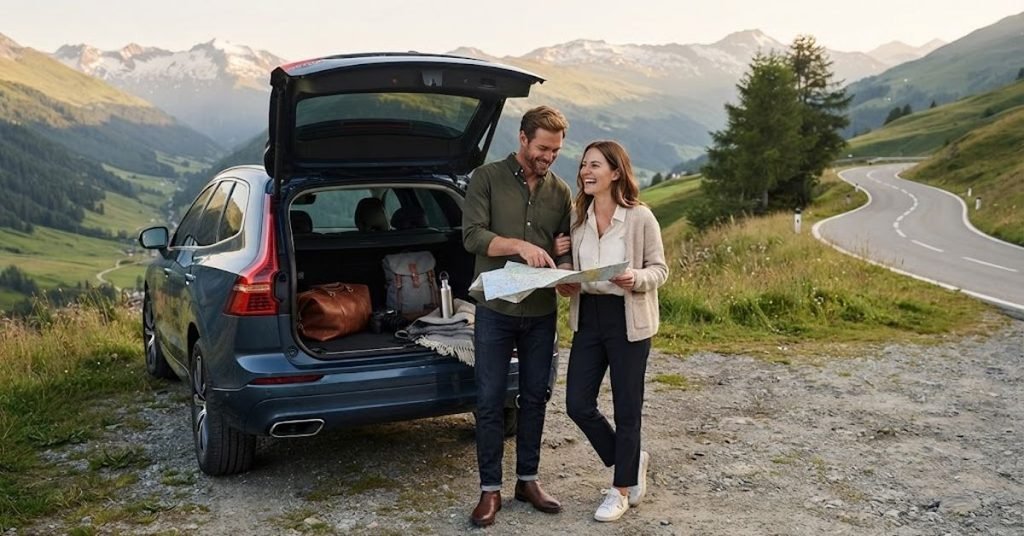
Preparation helps you enjoy the route without turning every moment into a strict schedule.
- Set a realistic driving limit. Consider your experience, road type, weather, and rest needs.
- Inspect your vehicle. Check tyres, lights, brakes, fuel or battery range, and essential equipment.
- Organise important documents. Keep your driving licence, rental agreement, insurance details, and reservations secure.
- Prepare an emergency kit. Include drinking water, a first-aid kit, a flashlight, a phone charger, and appropriate roadside supplies.
- Take breaks regularly. Stop before fatigue affects your concentration.
- Save essential locations. Download maps and note nearby fuel stations, accommodation, and emergency services.
- Respect local rules. Check speed limits, parking restrictions, toll requirements, and attraction permits.
- Protect your belongings.Always lock your car when leaving it parked, and store valuable belongings where they cannot be easily seen.
- Track spending. Review your expenses daily and preserve money for unexpected needs.
- Leave room for discoveries. Flexible time allows you to enjoy an interesting village, market, or viewpoint without missing essential reservations.
Make safe decisions at every stage of your journey, from departure to the drive back home. . Wear seat belts, follow local traffic laws, and avoid handheld phone use while driving. Only take photographs after parking safely in a permitted area.
Frequently Asked Questions
Which road trip destinations are ideal for a short weekend getaway?
Coastal towns, nearby national parks, countryside villages, and mountain routes are excellent options. Choose one main destination and allow time to enjoy it.
How can I organise a low-cost road trip without overspending?
Estimate fuel, accommodation, tolls, and food costs. Pack some meals, compare lodging options, and combine free outdoor activities with a few paid attractions.
What essentials should I bring along for a road journey?
Bring travel documents, water, snacks, a phone charger, essential medicines, weather-appropriate clothing, and roadside emergency supplies.
Can families enjoy road trips with young children?
Yes. Choose manageable driving distances, schedule regular breaks, and select activities suitable for your children’s ages. Keep snacks and entertainment accessible.
What is a reasonable daily driving limit for a road trip?
There is no universal limit that suits every journey. Consider road conditions, driver experience, rest needs, and local guidance. Never drive when fatigued.
Which time of year is ideal for enjoying a scenic drive?
Spring and autumn offer comfortable conditions in many regions, but the best season depends on the destination. Check weather forecasts and seasonal road restrictions.
What are some ways to make a road journey more enjoyable and memorable?
Include local restaurants, historic towns, walking trails, scenic viewpoints, and regional markets. Keep your itinerary flexible so you can explore interesting places you discover during the journey.
Should I book accommodation before leaving?
Advance bookings help in popular destinations and during busy periods. Flexible reservations can be useful when weather or road conditions may change.
Key Takeaways
- Choose a route that matches your interests, available time, and budget.
- Explore coastal roads, mountain landscapes, national parks, and historic towns.
- Plan realistic driving distances and avoid exhausting schedules.
- Compare transportation and accommodation costs before booking.
- Review the forecast, verify that your planned roads are accessible, and familiarise yourself with any applicable local rules before setting off.
- Carry emergency supplies and save maps for offline use.
- Remain flexible when unexpected delays affect your plans.
Conclusion
The most enjoyable road trips are not necessarily the longest or most expensive. They combine interesting destinations with comfortable driving, thoughtful stops, and enough time to appreciate each place.
Start by selecting a route that interests you. Decide how many days you have, estimate the main expenses, and choose a few meaningful stops. Then check current road conditions and arrange any essential reservations.
With sensible preparation and room for unexpected discoveries, your next drive can become a memorable experience rather than a race between destinations.
SEO Tags
- Road Trip Ideas
- Scenic Road Trips
- Weekend Road Trips
- Family Road Trips
- Coastal Road Trips
- Mountain Road Trips
- Budget Travel Tips
- Road Trip Itinerary
- Road Trip Planning
- National Park Adventures
Internal Linking
Inexpensive Family Vacation Ideas
Affordable Family Vacation Ideas
Authoritative External References
- National Park Service — Driving Safety
- National Highway Traffic Safety Administration — Summer Driving Tips
Social Media Title
Road Trip Ideas You’ll Love: Scenic Drives, Weekend Escapes and Unforgettable Adventures


