

Quick Answer
Family-friendly coastal destinations combine beachside enjoyment with convenient facilities and activities that families can enjoy together.
The right beach depends on factors such as safe swimming areas, lifeguard services, shaded spots, places to stay nearby, and activities suited to your children’s ages.
Palm Cove, Balmoral Beach, Waikiki, Punta Cana, and Jervis Bay each offer a different seaside experience. Before letting children swim, always review local beach safety updates, water conditions, and any warnings posted by authorities.
Author Information
- Author: Gulnaz Malik
- Role: Founder, Publisher & Travel Content Specialist
- Experience: 5+ Years in Travel, Destination Research, Tourism, Digital Content, and Travel Planning
- Content Review: Travel guidance should be checked against official tourism resources, government information, and reliable destination sources.
- Last Updated: October 2026
Introduction
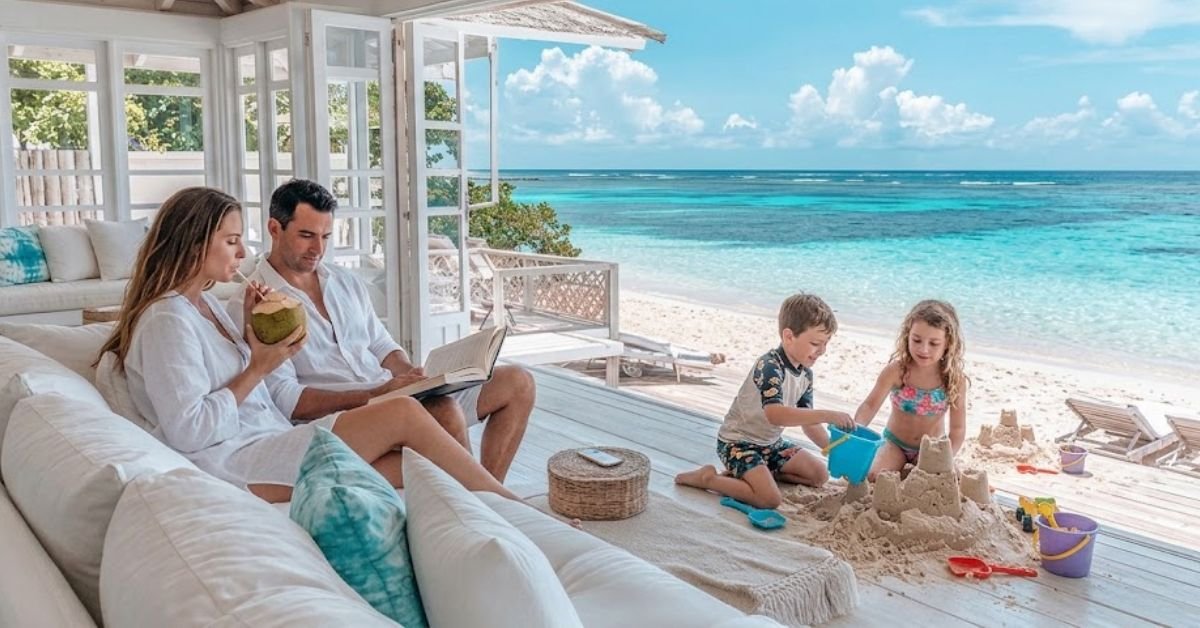
Family-Friendly Beaches offer wonderful opportunities for families to enjoy sunshine, sand, and quality time together. Children can build sandcastles, explore the shoreline, and enjoy outdoor activities while parents relax and create lasting holiday memories.
However, not every beautiful beach is suitable for families. Some have strong waves, limited shade, difficult access, or few nearby facilities. Others offer picnic areas, restaurants, accessible paths, and designated swimming areas.
Family Friendly Beaches are ideal for families who want to enjoy a relaxing holiday filled with outdoor fun and quality time together. Children can build sandcastles, explore the shoreline, and enjoy beach activities while parents relax and create lasting memories.
This guide explores family-friendly beach destinations around the world and explains how to compare facilities, manage costs, choose accommodation, plan a family itinerary, and prepare for unexpected travel problems.
Table of Contents
- Best Family-Friendly Beaches Around the World
- How to Choose the Right Family Beach
- Best Time to Plan a Beach Holiday
- Accommodation and Transportation
- Budgeting for a Family Beach Vacation
- Family Beach Itineraries
- Common Mistakes
- Troubleshooting Travel Problems
- Best Practices for a Stress-Free Trip
- Key Takeaways
- Conclusion
- Frequently Asked Questions
Best Family-Friendly Beaches Around the World

The right coastal destination comes down to your family’s travel preferences. You might prefer a resort with plenty of amenities, a beach surrounded by nature, a seaside spot near city attractions, or a peaceful stretch of coastline away from busy crowds.
Consider these destinations as starting points. Check the specific beach, its current conditions, and available facilities before making a reservation.
1. Palm Cove, Queensland, Australia
Palm Cove sits north of Cairns and offers tropical scenery, a palm-lined shoreline, and a relaxed coastal atmosphere. Families can enjoy walks along the coast, visit local cafés, and plan excursions around the wider Cairns region.
The surrounding area also offers opportunities to explore rainforest scenery and other natural attractions. This makes Palm Cove worth considering if your family wants more than a beach-only holiday.
Best for: Families seeking tropical surroundings, relaxed outings, and nature-based excursions.
Before entering the water, check local swimming advice and seasonal marine warnings. Tropical Queensland can experience changing coastal conditions, so never assume that attractive water is automatically safe.
2. Balmoral Beach, Sydney, Australia
Balmoral Beach offers a sheltered harbour setting within Sydney. Its sandy shoreline, nearby walking areas, and places to eat can make it convenient for families who want a coastal outing without traveling far from the city.
Families can spend the morning by the shore, share a picnic outdoors, and discover nearby attractions at their own pace. Nearby facilities can also make shorter visits easier for families with young children.
Best for: Families visiting Sydney who want a convenient beach experience alongside city sightseeing.
Although harbour beaches can feel calmer than exposed ocean beaches, conditions still vary. Check local signs, water quality advice, and swimming arrangements before entering the water.
3. Waikiki Beach, Oahu, Hawaii
Waikiki combines a popular sandy shoreline with hotels, restaurants, shops, and easy access to Honolulu attractions. Families can divide their time between the beach, local food, cultural experiences, and sightseeing.
Some sections may be more appropriate for beginner water activities than others. Surf conditions, crowds, and swimming guidance can change throughout the day.
Best for: Families who want a mix of beach time, shopping, restaurants, and city attractions.
Choose accommodation that makes daily journeys manageable. Staying near your main activities may reduce transport costs and allow children to rest between outings.
4. Punta Cana, Dominican Republic

Punta Cana attracts visitors with its Caribbean coastline, sandy beaches, and resort accommodation. Families can compare properties that offer children’s activities, family rooms, swimming pools, restaurants, and organized excursions.
An all-inclusive package may simplify meal planning. However, inclusions differ between properties, and some excursions or services may require additional payment.
Best for: Families interested in resort facilities, organized entertainment, and a tropical getaway.
Research the individual beach beside your chosen accommodation. Conditions, beach maintenance, and available facilities can differ across the region.
Our guide to Punta Cana vacation packages can help you understand what to compare before booking.
5. Tallebudgera Creek, Gold Coast, Australia
Tallebudgera Creek provides a scenic alternative to exposed ocean surf. Its estuary setting may appeal to families interested in picnics, paddling, and spending time beside the water.
The wider Gold Coast region also offers outdoor attractions and family activities, making it possible to combine beach visits with other experiences.
Best for: Families seeking scenic surroundings and outdoor activities.
Creek conditions can change with tides, rainfall, and weather. Writing
Review local swimming guidelines and choose beach activities that suit each child’s age and skill level.
6. Port Elliot, South Australia
Port Elliot offers a coastal-town atmosphere on South Australia’s Fleurieu Peninsula. Families can explore local beaches, enjoy seaside walks, and discover nearby towns without needing a packed sightseeing schedule.
This destination may suit travelers who prefer a slower holiday rather than staying in a large resort district.
Best for: Families looking for a relaxed coastal town and flexible outdoor activities.
Different parts of the coastline can have different hazards. Check the specific beach’s swimming advice and facilities before planning your visit.
7. Green Patch Beach, Jervis Bay, Australia
Green Patch Beach, within Booderee National Park, offers sandy shores surrounded by natural scenery. It may appeal to families who enjoy quiet outdoor activities, nature observation, and time away from busy resort areas.
The surrounding region provides opportunities for coastal walks and exploring the natural environment.
Best for: Nature-loving families seeking a quieter beach experience.
Check park access, facilities, and local restrictions before departure. Bring essential supplies and respect wildlife by keeping your distance and never leaving food or rubbish behind.
For more destination inspiration, explore our guide to the best tropical vacation destinations.
8. Sheltered Harbour Beaches and Coastal Coves
A memorable seaside vacation with your family doesn’t necessarily require a trip to a well-known island.
Many coastal cities have smaller bays, harbour beaches, and sheltered coves close to restaurants, parks, and public transport.
These spots work well for families looking to enjoy a beach visit without committing to a full-day excursion. A nearby playground, picnic area, or café may be more valuable than a remote stretch of sand.
Best for: Families who value convenient facilities and flexible visits.
Research each location individually. Sheltered beaches can still have boat traffic, sudden depth changes, slippery rocks, or limited supervision.
How to Choose Family-Friendly Beaches
The right beach should match your family’s needs rather than simply look attractive in photographs. Consider water conditions, access, facilities, accommodation, and activities before choosing a destination.
Which Facilities Matter Most?
| Facility | Why It Helps | What to Check |
| Lifeguards | Provide professional supervision in designated areas | Patrol locations and hours |
| Toilets and showers | Make longer visits more convenient | Distance from the beach |
| Shade | Helps families take breaks from direct sunlight | Shelters or nearby shaded areas |
| Food and drinking water | Reduces the need to carry everything | Cafés, shops, and refill points |
| Accessible paths | Support stroller and mobility access | Ramps and suitable walking surfaces |
| Nearby accommodation | Makes rest breaks easier | Actual travel time to the beach |
Facilities vary, even between beaches in the same town. Confirm current availability before leaving your accommodation.
Which Beaches Suit Different Ages?
Children have different needs as they grow. A beach that suits confident teenagers may not work as well for toddlers.
- Babies and toddlers: Prioritize shade, easy access, nearby toilets, and suitable areas for supervised play.
- Younger school-age children: Choose beaches with open areas for games, places to eat outdoors, and attractions within easy reach.
- Teenagers: Consider destinations offering age-appropriate activities such as guided surfing, kayaking, or snorkeling with proper supervision.
- Families travelling with several generations: Prioritise step-free access, shaded seating, nearby parking, and essential services close to the shore.
Never assume that a beach is safe for swimming just because it is popular with families. Weather, tides, currents, and local warnings can change conditions quickly.
Best Time to Visit Family-Friendly Beaches
The best time to visit depends on the destination’s climate, school holidays, and your preferred activities. A beach may be pleasant in one season but unsuitable during periods of heavy rain, extreme heat, or rough seas.
Consider these factors before confirming your dates:
- Weather: Check temperatures, rainfall, humidity, and wind.
- Crowds: School holidays and public holidays may increase demand for accommodation and parking.
- Swimming conditions: Review local advice about tides, surf, currents, and marine hazards.
- Daylight: Plan activities around daylight while allowing enough time for rest.
- Accommodation prices: Compare several travel dates instead of assuming one season is always cheaper.
When travelling abroad, make sure each family member has a valid passport and meets the destination’s visa and entry requirements. Use official government information before paying for non-refundable bookings.
Accommodation Near Family-Friendly Beaches
Your accommodation can influence the comfort and cost of the entire holiday. A property may look attractive online but become inconvenient if reaching the beach requires a long drive or expensive transfers.
| Accommodation | Main Advantage | Possible Drawback |
| Beachfront hotel | Quick beach access | May cost more |
| Family resort | Activities and services in one place | Some extras may cost more |
| Holiday apartment | Kitchen and additional living space | Facilities vary |
| Guesthouse | May suit a smaller budget | Fewer family services |
| Coastal town hotel | Access to shops and restaurants | Transport may be needed |
Compare the total cost rather than the room rate alone. Include parking, meals, resort fees, laundry, and daily transport.
For shorter holidays, our best weekend trip ideas guide offers additional inspiration for choosing a manageable getaway.
Getting Around with Children at Family-Friendly Beaches
Choose transportation according to the destination and your family’s needs.
- Walking: Useful when the beach, restaurants, and accommodation are close together.
- Public transport: Can reduce parking expenses in well-connected cities.
- This response couldn’t load.
- Hotel transfers: May simplify airport journeys with children and luggage.
- Taxis or ride services: Can help with shorter journeys where available.
Check child-restraint requirements before traveling. If renting a car, confirm insurance conditions, driving requirements, parking arrangements, and child-seat availability.
Budgeting for a Family Beach Vacation

There is no single price for a family beach holiday. Total spending depends on the destination, travel dates, family size, accommodation, and planned activities.
Build your budget around these expenses:
- Flights or fuel
- Accommodation and taxes
- Local transportation
- Meals and snacks
- Beach equipment
- Paid attractions and excursions
- Travel insurance
- Emergency expenses
Public beaches may offer free access, but parking, equipment hire, transport, and nearby attractions can still add to the total cost. Resort packages may include meals or activities, although exclusions vary.
To manage expenses, compare accommodation across several dates. Choose a convenient location, prepare some meals if practical, and select a few paid activities instead of booking something every day.
You can also browse our dream vacation destinations guide to compare different types of holidays before deciding where to spend your budget.
Family-Friendly Beach Itineraries
A successful family itinerary includes time for activities, meals, and rest. Instead of planning every hour, choose one main activity each day and keep the remaining schedule flexible.
A One-Day Beach Visit
A day trip works well when the beach is close to home or your accommodation.
- Morning: Arrive early, settle into a suitable spot, and enjoy sand games or a supervised beach walk.
- Midday: Take a break for lunch, water, shade, and rest.
- Afternoon: Enjoy a suitable activity, explore the promenade, or visit a nearby playground.
- Before leaving: Collect rubbish, check your belongings, and allow time to change before traveling home.
Writing
Avoid staying in the sun too long, and plan an earlier return when travelling with little children to prevent exhaustion.
A Three-Day Family Beach Holiday
Three days can provide a relaxed introduction to a coastal destination.
| Day | Suggested Plan | Main Goal |
| Day 1 | Get there, spend time discovering the shoreline, and savour a meal at a nearby restaurant. | Settle in |
| Day 2 | Spend time on the beach and try a suitable activity | Enjoy the coast |
| Day 3 | Visit a nearby attraction and prepare to leave | Finish comfortably |
Choose activities according to the weather and children’s interests. If swimming becomes unsafe, consider a museum, aquarium, coastal walk, or another suitable alternative.
A Five-Day Family Coastal Vacation
A five-day trip allows more variety without changing locations constantly.
- Day 1: Arrive and explore the immediate area.
- Day 2: Enjoy beach time, sand games, and a picnic.
- Day 3: Visit a local attraction or nature reserve.
- Day 4: Try an appropriate supervised water activity or explore another beach.
- Day 5: Enjoy breakfast, take a short walk, and depart without rushing.
For a seven-day holiday, add a rest day and one or two optional excursions. You do not need to visit a different beach every day.
Families planning a longer international journey can also use our Travel the World Guide to plan destinations, transportation, documents, and accommodation.
Common Mistakes
Small planning errors can make a family beach holiday more difficult. Avoid these problems before you travel.
- Choosing a beach based only on photographs: Research actual swimming conditions, access routes, facilities, and local warnings.
- Mistaking gentle-looking water for safe swimming conditions: Underwater currents and unexpected changes in depth can pose risks even when the surface appears calm.
- Ignoring the midday heat: Schedule shade breaks and provide suitable sun protection.
- Packing too much: Bring essentials without carrying equipment you are unlikely to use.
- Booking distant accommodation: Calculate the real journey to the beach and nearby services.
- Overplanning activities: Allow time for meals, naps, changing clothes, and unexpected breaks.
- Forgetting local rules: Check restrictions on fires, pets, fishing, drones, and protected areas where relevant.
Solving Problems at Family-Friendly Beaches

Unexpected problems do not have to ruin your holiday. A flexible backup plan helps families respond calmly.
If the weather turns bad: Check official forecasts and warnings. Move activities indoors or choose another day for the beach.
If the beach becomes crowded: Consider an earlier visit or another suitable location with confirmed facilities. Avoid moving to an isolated area without checking access and safety.
When swimming is restricted: Pay attention to warning signs and follow lifeguard instructions.
If a child feels tired or overwhelmed: Move to a cool, shaded spot and offer water, food if needed, and time to rest. Leave early if necessary.
If luggage or equipment goes missing: Contact the relevant property or transport provider. Keep booking confirmations and receipts accessible.
If a booking changes unexpectedly: Contact the provider through its official channel, review the cancellation terms, and keep written records of any changes.
Best Practices for a Stress-Free Trip
Preparation makes a major difference when traveling with children. Use these practical habits to make your beach holiday easier.
- Check beach access, facilities, and swimming advice before departure.
- Pack sunscreen, hats, suitable clothing, towels, and drinking water.
- Bring snacks that meet your children’s dietary needs.
- Keep children close near the sea, use designated swimming zones, and always follow lifeguard instructions and beach safety warnings.
- Take regular breaks from direct sunlight.
- Choose an easy-to-find meeting point in case family members become separated.
- Keep valuables secure.
- Check the weather before water sports or boat excursions.
- Confirm transport arrangements and accommodation details.
- Respect wildlife, dunes, vegetation, and local beach rules.
- Leave the beach clean for other visitors.
Remember that flotation devices do not replace adult supervision. Young children need particularly close attention around water, including in shallow areas.
Key Takeaways
- Choose beaches according to your family’s needs, children’s ages, and preferred activities.
- Palm Cove, Balmoral Beach, Waikiki, Punta Cana, and selected Australian coastal areas offer different holiday experiences.
- Check swimming conditions, weather, tides, and lifeguard arrangements before visiting.
- Compare accommodation by location, facilities, and total cost.
- Keep itineraries flexible and allow time for food, shade, and rest.
- Prepare alternative activities in case of bad weather.
- Supervise children closely around water and follow local safety instructions.
Conclusion
A memorable family beach holiday does not require the most famous coastline or the most expensive resort. It requires a destination that suits your family, thoughtful preparation, and enough flexibility to enjoy the experience at your own pace.
Start by deciding what matters most: convenient facilities, sheltered surroundings, outdoor adventures, or a resort with activities for different ages. Then compare travel dates, accommodation, transport, and local swimming conditions.
Your next step is to shortlist two or three suitable beaches, check their current facilities and safety advice, and choose the destination that best fits your family’s needs and budget.
Frequently Asked Questions
1. What makes a beach family-friendly?
A family-friendly beach offers suitable access, useful facilities, and activities that match children’s ages. Swimming conditions, lifeguard coverage, shade, toilets, and nearby food options also matter.
2. Which beaches are ideal for a family holiday abroad?
Palm Cove, Balmoral Beach, Waikiki, Punta Cana, and selected beaches in Jervis Bay offer different experiences. Check the costs, available facilities, local weather, and swimming conditions to find the beach that best suits your plans.
3. Are family-friendly beaches suitable for toddlers?
Some beaches may suit families with toddlers, particularly sheltered locations with easy access and nearby facilities. Parents must still assess current conditions and supervise children closely around water.
4. What Should Families Pack for Family-Friendly Beaches?
Bring swimwear, towels, hats, sunscreen, water, snacks, sturdy shoes, extra clothes, and any essential medicines for a comfortable beach trip. Add child-specific items according to the length of your visit.
5. How Can Families Save Money at Family-Friendly Beaches?
Compare accommodation prices, consider less-busy travel periods, prepare some meals, and prioritize free beach activities. Writing
Remember to budget for travel, parking fees, and essential beach equipment to keep your family trip affordable and hassle-free.
6. What Is the Best Time to Visit Family-Friendly Beaches with Children?
Visiting the beach in the morning can be a good choice because the weather is often cooler and families have more time to enjoy their activities. However, parents should always check the weather forecast, tide conditions, lifeguard availability, and local swimming guidelines before planning a visit.
7. How Can Parents Keep Children Safe at Family-Friendly Beaches?
Stay within close reach of young children, use designated swimming areas, follow warning signs, and obey lifeguard instructions. Flotation devices never replace adult supervision.
8. What can families do if the beach is too rough for swimming?
Choose alternatives such as a coastal walk, aquarium, museum, playground, or indoor attraction. Writing
Always follow local safety warnings and avoid swimming whenever authorities advise against entering the water.
9. Are resort beaches better than public beaches for families?
Not necessarily. Resorts may offer convenient facilities and organized activities, while public beaches can provide flexibility and lower costs. Compare facilities, access, safety advice, and total expenses.
10. How many days should a family spend at the beach?
One day can work for a local outing, while three to five days allow a more relaxed holiday. The ideal length depends on travel time, budget, and children’s needs.
SEO Tags
- Family Friendly Beaches
- Best Beaches for Families
- Family Beach Vacations
- Beaches for Kids
- Family Travel Destinations
- Safe Beach Holidays
- Beach Vacation Planning
- Coastal Holidays with Children
- Tropical Family Getaways
- Family Travel Tips
Internal Links
- Punta Cana Vacation Packages Guide
- Turkey Travel Guide
- Romantic Retreats for Couples
- Best Tropical Vacation Destinations
- Bucket List Travel Destinations
External Links
2. Social Media Title
8 Family-Friendly Beach Destinations for Your Next Holiday


