


Quick Answer
A Highway 1 California road trip takes you along the Pacific coast, past rugged cliffs, sandy beaches, charming towns, and beautiful ocean viewpoints.
For a relaxed trip between San Francisco and Southern California, plan around 5–7 days. Popular stops include Santa Cruz, Monterey, Carmel-by-the-Sea, Big Sur, Cambria, Morro Bay, and Santa Barbara.
Check the latest road conditions before setting off on your journey.
Author Information
- Author: Gulnaz Malik
- Role: Founder, Publisher & Travel Content Specialist
- Experience: 5+ years in travel research, tourism, destination planning, and digital content.
- Content Review: Travel information should be checked against official tourism resources, government transportation updates, and current destination guidance.
- Last Updated: October 2026
Introduction
A Highway 1 California road trip offers an opportunity to experience California’s coastline at a slower pace. Instead of rushing between major cities, you can explore seaside communities, discover quiet beaches, enjoy local food, and stop at scenic viewpoints along the Pacific Ocean.
However, planning this journey requires more than following a navigation app.Curved roads, shifting weather conditions, fewer facilities in isolated areas, and unexpected road closures may disrupt your planned travel time.
This guide covers the best coastal stops, route options, suggested itineraries, accommodation areas, transportation, and budgeting. It also explains how to prepare for unexpected changes so you can enjoy the journey without trying to fit too much into each day.
Table of Contents
- Best Highway 1 Route and Direction
- Best Stops Along Highway 1
- Best Time to Visit
- How Many Days Do You Need?
- Where to Stay
- Transportation and Driving Tips
- Budget and Travel Costs
- Food and Coastal Experiences
- Planning for Different Travelers
- Common Mistakes
- Troubleshooting Travel Problems
- Best Practices
- Key Takeaways
- Conclusion
- Frequently Asked Questions
Best Highway 1 California Road Trip Route and Direction
California State Route 1 follows much of the state’s Pacific coastline, connecting beach communities, scenic landscapes, and major coastal destinations. Some sections share the route with other highways, while access can change because of roadworks or closures.
For a first visit, a journey from San Francisco toward Santa Barbara provides a varied experience. You can explore northern coastal communities before continuing through the Big Sur region and into Central California.
Many travelers prefer driving south because certain ocean-side viewpoints may be easier to enter from that direction. However, this depends on the location, traffic, and parking arrangements.
| Route | Suitable for | Suggested duration |
| San Francisco to Monterey | A short coastal break | 2–3 days |
| San Francisco to Big Sur | Scenic driving and outdoor stops | 3–4 days |
| San Francisco to Santa Barbara | A varied coastal holiday | 5–7 days |
| Santa Barbara to Los Angeles | A shorter Southern California journey | 2–3 days |
These durations are planning estimates, not fixed driving schedules. Your total travel time depends on how often you stop, traffic conditions, road accessibility, and where you plan to stay overnight.
Best Stops on a Highway 1 California Road Trip

The best coastal journey includes a mixture of recognizable landmarks and smaller communities. You can spend time exploring major attractions while leaving room for quiet walks, local cafés, and spontaneous stops.
1. San Francisco
San Francisco is a convenient starting point for a north-to-south coastal itinerary. The city offers waterfront walks, historic neighborhoods, museums, and views of the Golden Gate Bridge.
Set aside some time to look around and enjoy the area before setting off on your drive. You could visit the waterfront, enjoy breakfast at a local café, or take a short walk in one of the city’s parks.
Leaving the city during a quieter traffic period may make the beginning of your journey easier. If you’re renting a vehicle, confirm your pickup location and parking arrangements before departure.
2. Santa Cruz on Your Highway 1 Road Trip
Santa Cruz brings a relaxed beach-town atmosphere to the journey. Its coastline, surfing culture, and traditional seaside attractions make it appealing to families, couples, and outdoor enthusiasts.
You could walk along the beach, explore the boardwalk area, watch surfers, or stop for lunch near the waterfront. If you prefer nature, look for accessible coastal trails and viewpoints.
A few hours may be enough for a short visit, but staying overnight allows you to explore without rushing.
3. Monterey Coastal Attractions on Your Highway 1 Road Trip
Monterey is a useful base for exploring the surrounding peninsula. The waterfront, Cannery Row, historic areas, and marine attractions provide plenty of ways to spend a day.
Visitors interested in ocean wildlife may enjoy the Monterey Bay Aquarium. Check its official visitor information for current admission details, hours, and reservations before planning your visit.
You can also explore the harbor, enjoy seafood, or take a leisurely walk along the waterfront. Monterey is a practical overnight choice because it offers a range of accommodation and dining options.
4. Carmel-by-the-Sea
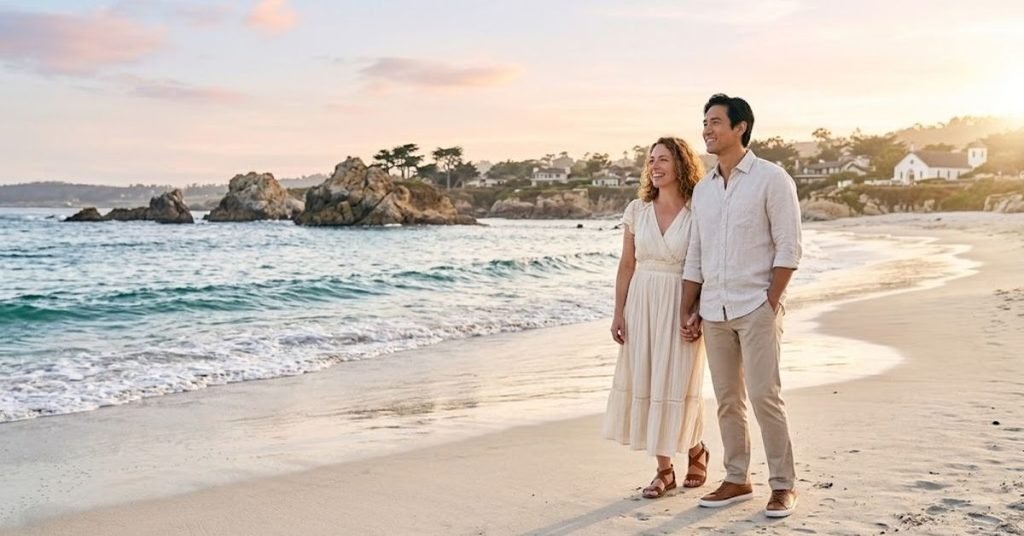
Carmel-by-the-Sea is known for its sandy beach, art galleries, independent shops, and attractive streets. It is a good place to slow down after a day of driving.
Spend time browsing the town, enjoying coffee, or walking along Carmel Beach when conditions allow. Couples may appreciate the relaxed setting, while photographers can look for coastal views and distinctive architecture.
Parking can be limited during busy periods, so allow extra time to find a legal space. You don’t need to plan a packed schedule here; a relaxed afternoon can be enough.
5. Big Sur Scenic Stops on a Highway 1 Road Trip
Big Sur is one of the defining highlights of a Highway 1 California road trip. The region features rugged coastal cliffs, forested hills, ocean viewpoints, and winding roads.
Bixby Creek Bridge is a famous landmark, but it is only one part of the experience. You can also explore permitted viewpoints, selected walking trails, and accessible areas of the surrounding coastline.
Allow a substantial portion of your day for Big Sur. Short distances can take longer than expected because of curves, traffic, parking, and walking between stops.
Use designated pullouts and follow posted signs. Never stop in a traffic lane or on an unsafe shoulder for photographs. Also, confirm that your intended section is open before setting out.
6. San Simeon and Hearst Castle Road Trip Stop
San Simeon offers beautiful ocean views and a chance to visit the historic Hearst Castle property.
Visitors interested in architecture, history, and gardens may want to reserve time for a guided visit.
Check the official Hearst Castle website for available tours, entry arrangements, and current visitor information. A visit can take several hours, depending on the tour you choose.
Nearby coastal areas may offer opportunities to observe wildlife from permitted viewing locations. Follow signs, maintain a safe distance from animals, and respect restrictions around protected habitats.
7. Cambria and Morro Bay
Cambria offers a quieter atmosphere with independent shops, cafés, and nearby coastal scenery.It makes a relaxing place to spend the night after exploring San Simeon.
Further south, Morro Bay is recognizable for Morro Rock and its working waterfront. Walk near the harbor, look for seabirds, or enjoy a meal featuring local seafood.
These towns add variety to the journey. Rather than visiting only famous landmarks, you can experience smaller communities and spend more time enjoying the coast at your own pace.
8. Santa Barbara on Your California Coast Road Trip
Santa Barbara combines beaches, palm-lined streets, distinctive architecture, and a lively dining scene. It can serve as the final destination for a shorter coastal itinerary.
Explore the waterfront, browse downtown shops, or spend an afternoon at a beach. If you have additional time, consider local markets, gardens, and cultural attractions.
Before continuing toward Los Angeles, review traffic conditions and plan your departure so you have enough time for rest stops along the way.
Best Time for a Highway 1 Road Trip
The best time depends on your preferred activities, tolerance for crowds, and flexibility with weather. California’s coast can experience fog, wind, cool mornings, and changing conditions throughout the year.
| Season | Potential advantages | Planning considerations |
| Spring | Green landscapes and outdoor walks | Pack layers and check forecasts |
| Summer | Longer daylight hours | Expect busier attractions and accommodation demand |
| Fall | Opportunities for coastal exploration | Check local weather and access |
| Winter | Potentially quieter visits | Rain and storms can affect road conditions |
No season guarantees sunshine or uninterrupted road access. Fog can reduce visibility, and heavy rain may lead to restrictions or closures.
Check the forecast shortly before your trip and again each morning. If your schedule includes hiking or visiting remote viewpoints, keep an alternative activity available.
How Many Days Do You Need for a California Coast Road Trip?
The right duration depends on how much time you want to spend outside the car. A short journey can cover a few coastal towns, while a longer vacation provides time for beaches, walking trails, local food, and additional overnight stops.
Five-Day Highway 1 Coastal Road Trip Itinerary
Day 1: San Francisco to Santa Cruz
Explore a few city highlights before leaving San Francisco.Head to Santa Cruz, spend some time at the beach or boardwalk, and find a nearby place to stay for the night.
Day 2: Santa Cruz to Monterey and Carmel Road Trip
Travel toward Monterey and spend time along the waterfront. If time allows, visit Carmel-by-the-Sea for its shops and beach. Stay in Monterey or a nearby community.
Day 3: Explore Big Sur
Set aside most of the day for scenic stops and selected walks. Check access before departure and avoid scheduling too many activities. Stay in an available community that fits your route.
Day 4: San Simeon and Cambria
Continue south if the route is open. Visit Hearst Castle if you have arranged a suitable tour, then explore Cambria or nearby coastal areas.
Day 5: Morro Bay and Santa Barbara
Spend a leisurely morning exploring Morro Bay, then make your way south toward Santa Barbara.
Spend the afternoon exploring the waterfront or downtown.This is a flexible framework, not a guarantee that every section will be accessible. If a closure affects your route, use official detours and adjust your overnight plans.
Extending the Trip to Seven Days
With seven days, you can enjoy the best stops on a California Highway 1 road trip without rushing to a new destination every morning.
Consider spending two nights around Monterey, Carmel, or another convenient base. This gives you time for coastal walks, local meals, and sightseeing without constant packing.
Depending on traffic, road conditions, and your interests, you can spend another night in Santa Barbara or continue to Los Angeles.
For additional trip-planning ideas, explore Tripzunos’ Travel the World Guide.
Where to Stay on Your Highway 1 Road Trip
Choosing convenient overnight bases can make the journey easier. You do not need to change hotels every night, particularly if you prefer relaxed mornings and shorter driving days.
| Area | Best suited to | What to consider |
| Monterey | Sightseeing and waterfront access | Parking and seasonal demand |
| Carmel-by-the-Sea | Relaxed stays and couples | Accommodation prices |
| Big Sur region | Scenic surroundings and outdoor activities | Limited services and road access |
| Cambria | Quiet evenings and coastal exploration | Distance to your next stop |
| Santa Barbara | Beaches, dining, and city attractions | Event dates and parking |
Compare the complete accommodation cost, including taxes, parking, and cancellation terms. A lower room price may not be worthwhile if it adds substantial driving time.
If you’re staying somewhere remote, check the arrival instructions, road conditions, nearby places to eat, and access to essential facilities before you travel. Since phone signals can be weak in certain locations, download your route and keep booking information accessible without an internet connection.
Transportation and Driving Tips for a Highway 1 Road Trip
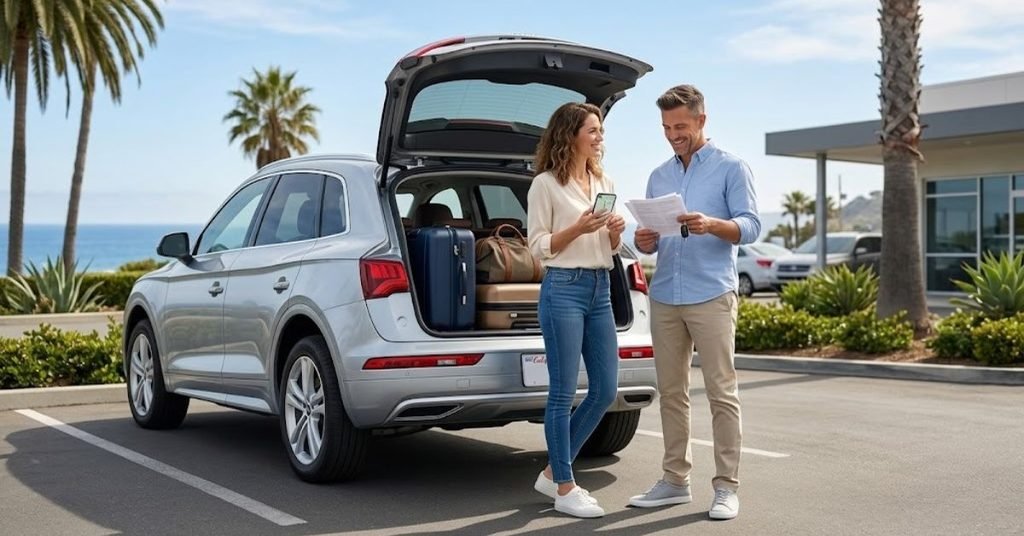
A car is generally the most flexible option for exploring multiple Highway 1 viewpoints and smaller coastal communities. However, careful driving and realistic scheduling are essential.
Renting a Car for Your California Road Trip
Before booking, compare the full rental price, insurance conditions, mileage rules, and parking expenses.
Keep these points in mind:
- Choose a vehicle that suits your passengers and luggage.
- Identify fuel stops before entering remote stretches.
- Download offline maps.
- Save accommodation addresses and reservation details.
- Allow extra time for curves, traffic, and sightseeing.
- Check the rental company’s driver and age requirements.
A standard car is usually sufficient for ordinary paved coastal routes. Choose a vehicle based on your actual needs rather than assuming a larger vehicle will improve the experience.
Checking Highway 1 Road Conditions
Highway 1 can close because of landslides, erosion, construction, storms, or other hazards. A route shown on a map may not be open for continuous travel.
If a closure affects Big Sur, do not assume you can pass through the affected section. You may need to approach a destination from another direction or change your overnight arrangements.
Highway 1 Road Trip Safety Tips
Some stretches of Highway 1 have sharp curves, variable visibility, and few places to park safely.
Drive at a safe speed, maintain a suitable following distance, and follow all posted instructions. Avoid stopping abruptly on the road to capture photos; use designated pullouts or safe parking areas instead.
Avoid driving while tired, particularly after a full day of sightseeing. Plan your overnight stops so you can finish the day’s journey safely.
Highway 1 California Road Trip Budget and Travel Costs
The cost of a Highway 1 California road trip depends on your travel dates, rental vehicle, accommodation, meals, and activities. There is no single price that fits every itinerary.
Instead, build your budget around your own travel plans.
| Expense | Budget-conscious approach | Possible extra cost |
| Transportation | Compare rental offers | Insurance and parking |
| Accommodation | Compare nearby towns | Seasonal room rates |
| Food | Mix casual meals and restaurants | Waterfront dining |
| Activities | Enjoy public viewpoints | Paid tours and attractions |
Ways to Save Money on a Highway 1 Road Trip
Share transport costs where practical, compare accommodation locations, and choose free public viewpoints when they suit your plans.
Pack snacks and water, but don’t skip necessary rest stops or fuel because you are trying to save money. Remote stretches may offer fewer services than larger towns.
Before booking an attraction, confirm its current admission price and reservation requirements. Keep a financial buffer for unexpected overnight stays, route changes, or additional fuel.
Travelers who enjoy exploring different types of destinations can also browse Tripzunos‘ Best Weekend Trip Ideas when planning a shorter coastal getaway.
Food and Coastal Experiences on Your California Coast Road Trip
Food and local experiences are an important part of a coastal holiday. You can enjoy seafood, small cafés, local markets, independent shops, and relaxed walks without adding major detours.
Trying Local Food on the California Coast
Seafood is a popular choice in many coastal communities, although menus vary by location and season. Look for local specialties, bakeries, and casual restaurants away from the busiest waterfront areas.
If you have dietary requirements, check menus before arriving, especially when staying in a remote area.
Enjoy the Coast Responsibly
Check local beach conditions before swimming or walking near the water. Follow warning signs and stay away from unstable cliffs.
Carry your waste with you and dispose of it properly when you reach a suitable bin or disposal facility.
Avoid entering protected dunes, closed trails, or restricted wildlife areas.
Leave Time for Small Towns
A quiet harbor, local café, or independent bookstore can be just as enjoyable as a major attraction. Focus on the places and activities you enjoy most rather than rushing to cover every location marked on the map.
If your trip includes several destinations, Tripzunos’ Dream Vacation Destinations offers broader inspiration for choosing memorable places to explore.
Planning a Highway 1 Road Trip for Different Travelers
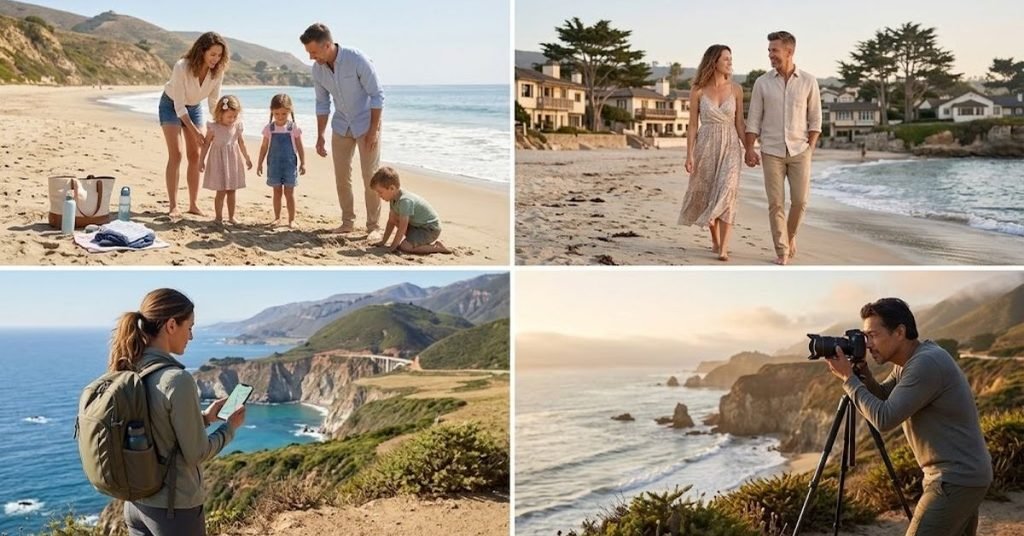
Families
Families may benefit from shorter driving days, regular breaks, and accommodation with convenient parking. Select a few accessible attractions rather than planning several long walks in one day.
Carry water, snacks, sun protection, and spare clothing. Follow beach safety guidance and keep children away from traffic and unprotected cliff edges.
Couples
Couples may prefer fewer hotel changes, scenic walks, relaxed meals, and additional time in Carmel or Santa Barbara.
You do not need expensive accommodation every night. Focus your spending on the experiences you value most and leave room for unplanned discoveries.
Solo Travelers
Solo travelers should plan carefully for remote stops, driving fatigue, and late arrivals. Share your general itinerary with someone you trust and keep emergency contact information accessible.
Keep valuables out of sight whenever you leave your vehicle parked.
Check trail conditions and daylight hours before heading out alone.
Photography Enthusiasts
Early or late daylight may provide attractive coastal photography conditions, although fog and weather can change the view.
Use designated viewpoints and never step into traffic for a better photograph. If a location is crowded, wait for a safe opportunity or choose another place.
Common California Coast Road Trip Mistakes
Several planning mistakes can make a coastal journey more stressful than necessary.
Trying to cover too much coastline: Choose fewer stops and spend more time at the places that interest you.
Assuming the entire highway is open: Check official road updates before departure and prepare an alternative route.
Underestimating Big Sur: Allow time for curves, traffic, viewpoints, and walks.
Booking accommodation without checking the location: Compare driving distances, parking, and the total cost of staying there.
Overlooking fog and daylight conditions: Stay flexible with your plans and never rush when visibility is poor.
Stopping in unsafe places: Use designated pullouts and follow parking restrictions.
Forgetting essentials: Carry water, comfortable shoes, a charged phone, and offline directions.
Troubleshooting Common Highway 1 Travel Problems
What If Highway 1 Is Closed?
Identify the exact closure through official road updates. Check whether your intended destination remains accessible from another direction.
Do not use unofficial shortcuts through restricted roads. If conditions require it, rearrange your planned stops or stay an extra night somewhere convenient and safe.
What If Fog or Rain Disrupts the Day?
Avoid driving faster to make up for lost sightseeing time. Adjust your speed safely and consider moving an outdoor activity to another day.
A museum, café, or indoor attraction may be a useful alternative.Review area-specific alerts before heading to beaches or hiking trails when bad weather is expected.
What If Accommodation Is Unavailable?
Contact the property or booking provider before paying for another room. Keep confirmation details accessible and check the new location against your planned route.
What If You Fall Behind Schedule?
Remove optional stops rather than rushing through the remaining journey.Focus on driving safely and arriving at your place to stay with enough energy to rest.
Best Practices for a Highway 1 California Road Trip
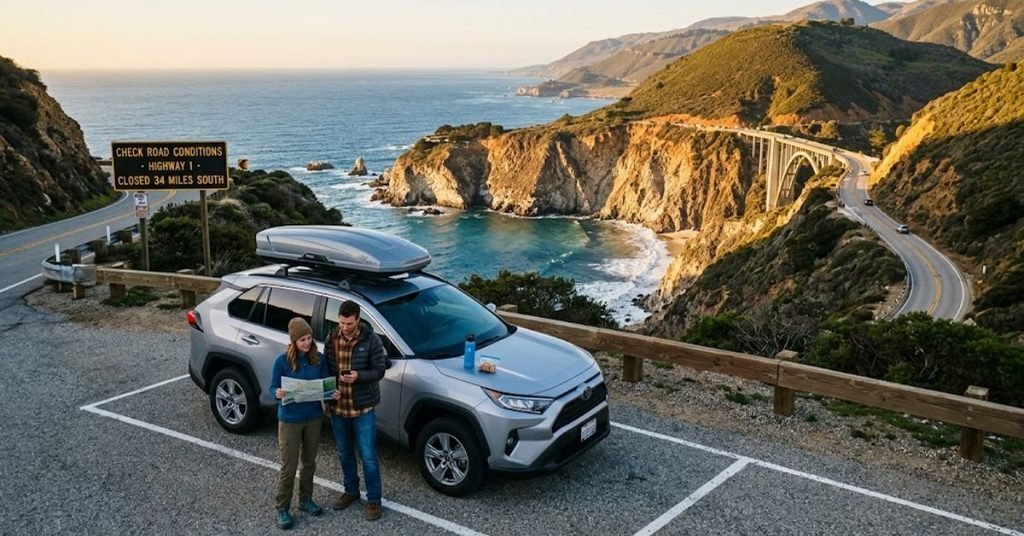
Use these habits to make your journey smoother:
- Check road conditions before every driving day.
- Book accommodation with your route and budget in mind.
- Save maps, addresses, and confirmations offline.
- Keep enough fuel before entering remote areas.
- Carry water, snacks, and weather-appropriate layers.
- Use marked viewpoints and legal parking areas.
- Confirm attraction hours and reservation requirements.
- Leave time for traffic, walking, and photographs.
- Keep a backup plan for closures and poor weather.
- Allow enough time to reach your overnight stop safely.
Key Takeaways
- Highway 1 offers coastal scenery, beaches, towns, and outdoor experiences.
- A trip lasting five to seven days usually allows enough time to explore without making the schedule feel too rushed.
- Monterey, Carmel-by-the-Sea, Big Sur, Cambria, Morro Bay, and Santa Barbara are useful stops to consider.
- Winding roads and frequent viewpoints make realistic scheduling important.
- Always check official road information before traveling.
- Compare accommodation costs and locations before booking.
- Keep your itinerary flexible enough to handle closures and weather changes.
- Follow local safety signs and respect protected areas.
- Choose fewer stops if you prefer shorter driving days.
- Take time to explore small towns and sample regional dishes instead of rushing from one destination to the next.
Conclusion
A Highway 1 California road trip brings together coastal scenery, distinctive towns, outdoor activities, and opportunities to explore California at your own pace.
A great road trip is about enjoying each destination, not squeezing in as many stops as possible. Choose an itinerary that leaves you enough time to explore without feeling rushed.
Start by selecting your travel dates and preferred route. Check road access, choose convenient overnight bases, and identify the experiences you most want to enjoy.
Your next step: confirm current road conditions, plan your first few stops, and reserve accommodation that fits your schedule.Keep your schedule flexible so you can adjust your plans when unexpected changes arise.
Frequently Asked Questions
1. How many days should you plan for a California Highway 1 road trip?
Allow around 5–7 days for a relaxed journey with several coastal stops. A shorter trip can focus on one section.
2. What are the best stops on Highway 1 in California?
Consider stopping in Monterey, Carmel-by-the-Sea, Big Sur, San Simeon, Cambria, Morro Bay, and Santa Barbara to enjoy the coast at a relaxed pace.
3. Is Highway 1 open all the way through Big Sur?
Road access can change because of closures, repairs, and weather. Check official Caltrans updates before planning a continuous drive.
4. What is the best direction to drive Highway 1?
Many travelers prefer driving south from San Francisco because some ocean-side viewpoints can be easier to access. Either direction can offer coastal scenery.
5. When is the best time for a Highway 1 California road trip?
Spring and fall can offer appealing conditions, while summer brings longer daylight and potentially more visitors. Check the forecast for your dates.
6. Is three days enough to explore California’s Highway 1?
Yes, if you focus on a limited section and choose a few main stops. Covering a longer stretch in three days leaves less time for exploring.
7. Is Highway 1 suitable for families?
Yes. Families can enjoy coastal towns, beaches, and waterfront walks if they plan manageable driving days and follow local safety guidance.
8. Do I need to rent a car for Highway 1?
A car offers flexibility for reaching viewpoints and smaller communities.Review the rental rules, insurance coverage, and parking arrangements before confirming your booking.
9. How can I save money on a Highway 1 California road trip?
Save money by comparing stays in nearby towns, splitting travel expenses when possible, and visiting free public viewpoints. Remember to set aside funds for petrol, food, parking, and ticketed attractions.
10. What should I pack for the coastal drive?
Bring layered clothing, comfortable walking shoes, sun protection, water, a phone charger, offline directions, and personal essentials. Coastal weather can change throughout the day.
SEO Tags
- Highway 1 California road trip
- California coastal road trip
- Pacific Coast Highway itinerary
- Big Sur travel guide
- California scenic drives
- Highway 1 road trip stops
- Monterey and Carmel itinerary
- California coastal towns
- San Francisco to Los Angeles drive
- California road trip planning
Internal Links
- Travel the World Guide — for general trip-planning advice.
- Best Weekend Trip Ideas — for readers considering a shorter getaway.
- Dream Vacation Destinations — for readers looking for travel inspiration.
- Bucket List Travel Destinations — for travelers exploring memorable destinations.
- Romantic Retreats for Couples — for couples considering a scenic coastal holiday.
Authoritative External References
- Visit California — Highway 1 — destination and coastal travel information.
- Caltrans — California Road Conditions — official highway condition updates.
Social Media Title
Highway 1 California Road Trip: Best Coastal Stops and Driving Tips


