


Quick Answer
A Chicago to LA road trip is a classic American journey that takes travelers from the Midwest toward the Pacific Coast.
The historic Route 66 corridor offers small towns, vintage roadside attractions, desert scenery, and famous landmarks along the way.
A road trip from Chicago to Los Angeles can be planned for roughly one week, while setting aside nearly two weeks gives you extra time to explore attractions, enjoy scenic stops, and take alternative routes without rushing.
Author Information
Author: Gulnaz Malik
Role: Founder, Publisher & Travel Content Specialist
Experience: 5+ years in travel research, destination planning, tourism, and travel content.
Content Review: Travel information should be checked against official tourism resources, government guidance, and current transportation information before publication.
Last Updated: October 2026
Introduction
A Chicago to LA road trip gives travelers an opportunity to experience the United States beyond its major cities. The journey combines historic highway towns, open landscapes, classic diners, and changing scenery across the country.
The drive is especially appealing to travelers who enjoy exploring at their own pace. Instead of flying directly to California, you can stop at local attractions, discover regional food, and spend time in places that might otherwise be overlooked.
This guide explains how to plan the route, which destinations deserve a stop, how many days to allow, where to stay, and how to manage travel costs. You will also find itinerary ideas, practical driving advice, and common mistakes to avoid.
Table of Contents
- Understanding the Chicago to LA Route
- Best Stops Along the Way
- How Many Days Do You Need?
- A Seven-Day Road Trip Itinerary
- Best Time to Travel
- Transportation and Accommodation
- Estimated Road Trip Budget
- Food and Local Experiences
- Common Mistakes to Avoid
- Troubleshooting and Best Practices
- Key Takeaways
- Conclusion
- Frequently Asked Questions
Understanding the Chicago to LA Route

The historic Route 66 journey is one of the best-known ways to travel from Chicago toward Los Angeles. First opened in 1926, Route 66 stretched for about 2,448 miles through eight states, with its course and terminal points being revised at different times throughout its history.
Today, Route 66 is no longer a single continuous, officially designated U.S. highway. Travelers follow preserved sections, historic alignments, and connecting roads. Therefore, you should use a current navigation app alongside a dedicated Route 66 map.
The journey traditionally passes through Illinois, Missouri, Kansas, Oklahoma, Texas, New Mexico, Arizona, and California.
What Makes a Chicago to LA Road Trip Special?
Each section has a different atmosphere. Illinois offers historic towns and agricultural landscapes. Missouri brings river scenery and urban attractions. Oklahoma and Texas feature roadside landmarks, while New Mexico and Arizona introduce colorful desert landscapes.
California provides the final stretch toward the Pacific Coast.
The trip is about more than reaching Los Angeles. It allows travelers to experience regional food, historic buildings, local museums, unusual roadside attractions, and communities that grew around America’s road-travel culture.
Should you follow Route 66 or take the fastest highway?
Your choice depends on the purpose of your journey.
| Travel option | Best for | Main consideration |
| Historic Route 66 sections | History and roadside exploration | Requires more navigation and planning |
| Interstate highways | Reaching Los Angeles quickly | Fewer opportunities to experience historic towns |
| A mixed route | Balancing sightseeing with driving time | Requires careful route planning |
A mixed route is often practical. Use interstate highways for longer stretches, then leave them to explore worthwhile Route 66 towns and attractions.
Remember that the historic route does not always follow modern highways.Before setting off, verify current driving conditions, confirm that each attraction is open and accessible, and save its precise location to avoid unexpected detours.
Best Stops on Your Chicago to LA Road Trip
A memorable drive from Chicago to Los Angeles combines lively urban stops, charming small towns, and scenic landscapes, giving travellers a varied experience throughout the journey.
You do not need to visit every attraction. Choose stops that match your interests and available time.
1. Chicago, Illinois: Start Your Route 66 Road Trip
Begin in Chicago, where you can explore the city’s architecture, parks, museums, and food scene before heading west.
Millennium Park is a convenient starting point for sightseeing. The Art Institute of Chicago is another option for art lovers, while the lakefront provides open views of Lake Michigan.
Before leaving, look for the city’s historic Route 66 starting-point landmarks. In 2026, Chicago is celebrating the highway’s centennial, making this a particularly interesting year for Route 66 enthusiasts.
Spend a night in the city if you have time.Spending an entire day exploring attractions before getting behind the wheel can leave you exhausted, so it’s better to schedule sightseeing and driving at a manageable pace.
2. Springfield, Illinois: A Historic Stop on Your Chicago to LA Road Trip
Springfield is a useful stop for travelers interested in American history. It is closely associated with Abraham Lincoln and offers museums, historic buildings, and attractions connected to his life.
You can explore the Lincoln Home National Historic Site or visit other historical locations, depending on opening hours and your schedule.
The surrounding area also offers classic small-town road-trip scenery. Take time for lunch, stretch your legs, and explore the downtown area before continuing west.
3. St. Louis, Missouri: Attractions on Your Chicago to LA Road Trip
St. Louis is one of the most recognizable stops on the western journey from Illinois.
The Gateway Arch dominates the city’s skyline and represents the history of westward expansion. Visitors can explore the surrounding national park, take photographs, or check the availability of tours.
The city also offers museums, parks, restaurants, and neighborhoods worth exploring.
A brief visit is best planned with around four to five hours available.
If you enjoy museums or want a relaxed evening, consider staying overnight rather than driving onward immediately.
4. Tulsa, Oklahoma

Tulsa provides a different experience from the larger cities at either end of the route. The city is worth exploring for its distinctive buildings, local cultural experiences, and historic ties to Route 66.
Explore historic sections of the city, discover local restaurants, or visit museums that explain the region’s cultural background.
Tulsa is also a good place to slow down after several hours on the road. A comfortable overnight stay can help break up the journey and reduce driving fatigue.
5. Amarillo, Texas: A Famous Stop on Your Chicago to LA Road Trip
Amarillo is known for its connection to Route 66 and its wide-open Texas surroundings.
One of the area’s best-known roadside attractions is Cadillac Ranch, an outdoor art installation featuring vintage cars partially buried in the ground. Visitors often stop for photographs and enjoy the unusual contrast between colorful artwork and the open landscape.
Amarillo also offers Texas-style barbecue, casual diners, and accommodation for travelers crossing the Panhandle.
Plan your visit around the weather, especially during very hot periods. Carry water and avoid leaving valuables visible inside the vehicle.
6. Albuquerque, New Mexico
Albuquerque introduces travelers to New Mexico’s distinctive landscapes, architecture, and regional cuisine.
Historic Route 66 runs through central parts of the city, where travelers can find restaurants, shops, and buildings connected to the highway’s past.
Try regional dishes featuring New Mexican chile if you enjoy local food. You can also explore Old Town, visit cultural attractions, or spend time photographing the surrounding desert and mountain scenery.
If you want to explore beyond the city, check the driving distance and conditions before adding a detour.Some nearby sights may require more travel time than you initially plan for.
7. Flagstaff and the Grand Canyon Region, Arizona
Flagstaff makes a convenient stop for exploring northern Arizona’s pine forests, mountain views, and natural surroundings.
The city offers restaurants, shops, and accommodation, while its surroundings provide opportunities for outdoor activities. Temperatures can differ considerably from those in the lower desert, so check the forecast before packing.
The Grand Canyon can be an unforgettable addition to the trip, but it requires extra planning. The national park is not directly on every practical Route 66 itinerary, and a visit can add substantial driving time.
8. Kingman, Arizona
Kingman is a popular base for exploring preserved Route 66 attractions in northwestern Arizona.
The city has historic roadside businesses, highway memorabilia, and access to scenic desert drives. It can also serve as a convenient overnight stop before continuing toward California.
If you enjoy photography, plan some sightseeing in the morning or late afternoon when outdoor conditions may be more comfortable. During hot weather, avoid long walks in exposed areas without adequate water.
9. Santa Monica, California
Santa Monica makes a memorable final destination for a road trip across the country.
Walk along the pier, enjoy the Pacific Ocean views, explore the waterfront, or visit nearby shopping and dining areas. The combination of the beach, amusement attractions, and coastal atmosphere provides a clear contrast with the open landscapes encountered earlier.
The historic Route 66 story is commonly celebrated at Santa Monica Pier, although the highway’s historical endpoint changed over time.
Once you arrive, consider leaving the car parked and exploring nearby areas on foot. Traffic and parking can make short journeys around Los Angeles slower than expected.
How Many Days Do You Need for a Chicago to LA Road Trip?
The right duration depends on how much sightseeing you want to include.
A direct drive may be possible in fewer days, but a classic cross-country road trip becomes more rewarding when you allow time for meals, rest, attractions, and unexpected delays.
| Trip length | Best approach | Expected experience |
| 4–5 days | Prioritize major cities and efficient highways | Fast-paced journey |
| 7 days | Combine key Route 66 stops with selected attractions | Balanced but busy |
| 10 days | Include smaller towns and longer sightseeing breaks | More relaxed |
| 12–14 days | Add outdoor attractions and extra overnight stays | Deeper exploration |
Use these timings as flexible guidelines, adjusting your driving plans to suit your pace and travel preferences.
Actual travel time depends on the chosen route, traffic, weather, stops, and road conditions.
For first-time visitors, seven to ten days can provide a useful balance between covering distance and experiencing the route. Travelers who want to explore the Grand Canyon or other major detours should consider allowing additional time.
A Seven-Day Chicago to LA Road Trip Itinerary
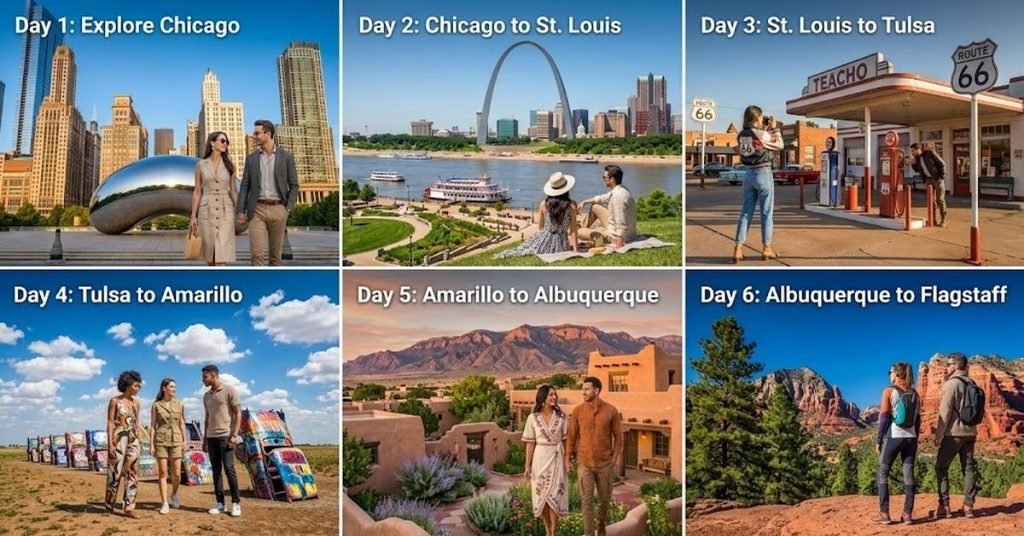
A seven-day itinerary works best when you choose a few priorities in advance. You will still spend considerable time driving, so avoid adding too many attractions to each day.
Day 1: Explore Chicago Before Your Road Trip
Start with breakfast and a few city attractions. Visit the historic Route 66 starting area, explore downtown, and enjoy a local meal.
If you are collecting a rental car, confirm the pickup location and rental agreement. Consider staying overnight before beginning the long drive west.
Day 2: Drive from Chicago to St. Louis
Leave Chicago early enough to make stops along the Illinois section of the route. Springfield is a useful place for a historical break or lunch.
Continue toward St. Louis and visit the Gateway Arch area if time allows. Stay overnight in or near the city.
Day 3: St. Louis to Tulsa
Plan a driving day with selected stops rather than trying to explore every small town.
Take breaks for food, fuel, and short walks. After arriving in Tulsa, explore a local neighborhood or have dinner before resting.
Day 4: Tulsa to Amarillo
Continue through Oklahoma toward the Texas Panhandle. Look for historic roadside attractions that fit your schedule.
Arrive in Amarillo with enough daylight to visit Cadillac Ranch if conditions and opening access permit. Otherwise, save the attraction for the following morning.
Day 5: Amarillo to Albuquerque
Travel west into New Mexico. Allow time for meals and short sightseeing breaks along the way.
Once in Albuquerque, explore Old Town or the historic Route 66 corridor. Stay overnight if you want to experience local restaurants without rushing.
Day 6: Albuquerque to Flagstaff
Drive toward northern Arizona, checking road conditions and weather before leaving.
You can spend the evening in Flagstaff or use the city as a base for the next day’s sightseeing. If the Grand Canyon is a priority, revise this section of the itinerary and allow sufficient time for the detour.
Day 7: Flagstaff to Los Angeles
This is a substantial final driving day on your Chicago to Los Angeles road trip, especially if you plan to stop at several attractions along the way.
Leave early, schedule regular breaks, and avoid driving when tired. If you want to spend meaningful time exploring the Grand Canyon, consider adding one or two extra days rather than rushing your itinerary.
When you arrive in Los Angeles, head toward Santa Monica for a relaxing coastal walk and memorable photographs.
Important: This Route 66 itinerary is a planning framework, not a guarantee of driving times or attraction availability. Confirm road conditions, check opening hours, and arrange your overnight stays before departure.
Best Time to Take a Chicago to LA Road Trip
Spring and autumn are often attractive seasons for a cross-country drive because temperatures can be more comfortable in many regions. However, conditions vary between the Midwest, mountains, deserts, and California coast.
| Season | Advantages | What to consider |
| Spring | Changing landscapes and milder weather in many areas | Rain, storms, and variable temperatures |
| Summer | Long daylight hours and many seasonal attractions | Desert heat, crowds, and higher accommodation demand |
| Autumn | Pleasant conditions in many destinations | Shorter daylight and possible weather changes |
| Winter | Potentially quieter travel periods | Snow, ice, cold weather, and seasonal closures |
Check the forecast before traveling to northern Arizona or elevated areas, where weather conditions may differ from those along the rest of your route.
Winter conditions can affect roads even when other parts of the journey remain mild.
Summer travelers should prepare for high temperatures in desert areas. Carry drinking water, keep the vehicle in good condition, and avoid strenuous outdoor activities during the hottest parts of the day.
Check official attraction websites for seasonal schedules before finalizing your route.
Transportation and Accommodation for Your Chicago to LA Road Trip
Driving your own vehicle offers flexibility, but a rental car may be more practical for visitors arriving from elsewhere.
Before booking, confirm whether the rental company permits a one-way journey between Chicago and Los Angeles. One-way fees, mileage policies, insurance, and vehicle restrictions vary by provider.
Choose a vehicle that suits your group and luggage. A compact car may be economical for a couple, while families may prefer more passenger and storage space.
Where to Stay on Your Chicago to LA Road Trip
The most convenient overnight stops are usually near the attractions you plan to visit or close to the next day’s route.
Consider:
- City hotels: Useful for museums, restaurants, and evening sightseeing.
- Motels near historic highways: Convenient for travelers interested in classic Route 66 culture.
- Budget accommodation: Suitable when you mainly need a clean, comfortable place to rest.
- Family rooms or suites: Helpful when traveling with children or carrying extra luggage.
Compare the complete price, including taxes, parking, cancellation rules, and any additional fees. A cheaper room far from the route may increase driving time and fuel costs.
Book ahead during holidays, popular events, and busy summer periods.Before booking accommodation in smaller towns, confirm its location and make sure the facilities you need are available.
Estimated Chicago to LA Road Trip Budget
The cost of a Chicago to LA road trip depends on the number of travelers, vehicle type, accommodation choices, and sightseeing plans. A longer itinerary usually costs more because of additional hotel nights, meals, and activities.
These amounts are approximate budgeting guidelines in US dollars and should not be treated as current prices or confirmed quotes.
They exclude international flights and can change substantially with season and availability.
| Expense | Budget estimate |
| Fuel for the full journey | 250–450 |
| Accommodation for 6 nights | 360–1,200 |
| Food and drinks | 210–490 per person |
| Attractions and activities | 50–250 per person |
| Parking and miscellaneous costs | 50–200 |
Rental-car charges, one-way fees, insurance, taxes, and major detours may increase the
total. Fuel costs also depend on the actual mileage, vehicle efficiency, and current prices.
How to Save Money on a Route 66 Road Trip
Reserve your stay ahead of time during busy travel seasons. Compare the overall cost of different accommodation options, including extra fees, rather than relying only on the listed nightly price.
You can also reduce expenses by sharing a vehicle, carrying reusable water bottles, eating at local casual restaurants, and choosing a few paid attractions rather than purchasing every available tour.
If you are planning a budget-conscious getaway, these weekend trip ideas for different travel styles can help you compare the kinds of experiences that fit your available time and spending limit.
Food and Local Experiences on Your Chicago to LA Road Trip

Trying regional dishes and local specialties can make a road trip more enjoyable and give you a better feel for the places you visit.
Each region offers different flavors, local specialties, and dining traditions.
In Chicago, try the city’s well-known pizza styles or explore neighborhood restaurants.While traveling through Missouri, sample the region’s well-known barbecue dishes and traditional comfort meals.
Texas offers opportunities to sample smoked meats, while New Mexico is known for dishes featuring regional chile.
As you approach California, you will find a wide range of Mexican, Asian, American, and international dining options.
Make room for local discoveries
There’s no need to decide on every meal before your journey begins; leave some room to discover local restaurants along the way. Choose a few restaurants you particularly want to visit, then leave other meals flexible.
Small-town cafés, historic diners, farmers’ markets, and independent food businesses can provide memorable stops along the way. Check opening hours before making a special detour, especially in smaller communities.
Travelers with dietary restrictions should review menus ahead of time and carry suitable snacks for stretches where restaurant choices may be limited.
Common Chicago to LA Road Trip Mistakes to Avoid
A cross-country drive requires more preparation than an ordinary weekend outing. A few simple decisions can help prevent unnecessary stress.
Planning too many stops
Trying to visit every attraction can turn the journey into a constant race against the clock.
Select a few important destinations and keep optional stops flexible. If an attraction takes longer than expected, you can skip a less important stop without disrupting the entire schedule.
Underestimating driving fatigue
Long stretches behind the wheel can make even a scenic journey exhausting.
When possible, alternate drivers, pause regularly to rest, and find a safe place to stay overnight whenever fatigue sets in.
Never rely on caffeine alone to overcome drowsiness.
Assuming historic Route 66 is continuous
Some historic sections have been replaced, realigned, or disconnected from modern highways. Navigation apps may direct you along faster roads rather than the historic alignment.
Use a dedicated Route 66 map alongside current navigation. Check access information before driving toward remote or poorly marked attractions.
Ignoring the weather
Weather and road conditions may vary widely as you travel from the Midwest into the Southwest, so prepare for the differences along your route.
Check forecasts before leaving each morning. Carry water for hot desert stretches and prepare for colder conditions if your route crosses higher elevations.
Booking accommodation without checking the location
A low-priced hotel may require an inconvenient detour or extra driving the next morning.
Check the address, parking arrangements, cancellation terms, and distance from your planned stops before confirming a booking.
Troubleshooting Problems on Your Chicago to LA Road Trip
Even careful planning cannot prevent every travel problem. A flexible plan makes it easier to respond when something changes.
What if your car breaks down?
If it is safe to do so, pull over to a secure spot, switch on your hazard lights, and call for roadside help. Keep your rental agreement, insurance details, and emergency contact information accessible.
Before departure, check tire condition, fluid levels, lights, and the vehicle’s basic safety equipment. Follow the rental company’s guidance for mechanical problems.
What if an attraction is closed?
Check the official website before leaving your accommodation. If a museum, park facility,or roadside attraction is unavailable, choose a nearby alternative rather than spending hours trying to reorganize the entire route.
What if the weather disrupts your plans?
Keep one or two indoor alternatives in mind for each major overnight stop. Museums, local restaurants, historic districts, and covered attractions may work well when outdoor activities become impractical.
If severe weather threatens your safety, change your plans rather than continuing into dangerous conditions.
Best Practices for a Smoother Chicago to LA Road Trip
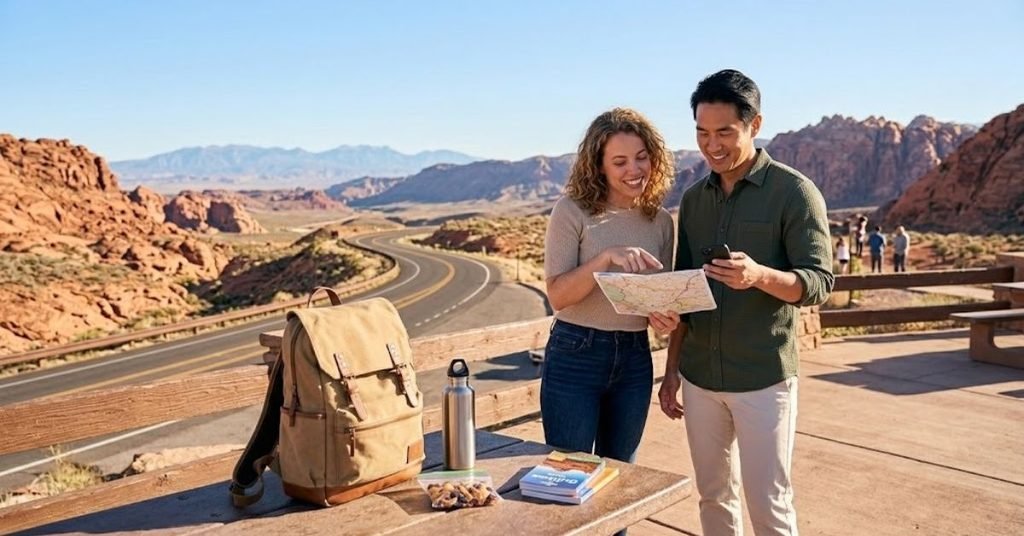
- Save accommodation addresses and important bookings offline.
- Carry drinking water, snacks, and a phone charger.
- Check fuel levels before entering long rural stretches.
- Keep identification and essential documents secure.
- Review road conditions each morning.
- Build some flexibility into your travel schedule to account for heavy traffic, rest breaks, and unplanned stops along the way.
- Confirm park access, opening hours, and reservation requirements.
- Keep valuables out of sight inside the vehicle.
- Leave room in your schedule for rest and spontaneous discoveries.
These habits help keep a long journey manageable without taking away the freedom that makes road travel appealing.
Key Takeaways
- Route 66 offers a historic way to experience the journey from Chicago toward Los Angeles.
- Plan around seven to ten days for a balanced trip, with additional time for major detours.
- Consider stops such as Springfield, St. Louis, Tulsa, Amarillo, Albuquerque, and northern Arizona.
- Compare fuel, lodging, meals, parking, rental fees, and activities when setting your budget.
- Check weather, road conditions, and attraction availability before departure.
- Use modern navigation alongside historic-route maps.
- Avoid excessive driving and allow enough time for rest.
- Finish the journey with time to enjoy Santa Monica and the Pacific Coast.
Conclusion
A Chicago to LA road trip can be much more than a drive between two major cities. It offers a chance to explore historic communities, discover regional food, photograph changing landscapes, and experience the character of America’s open roads
The best itinerary depends on your priorities.Travelers interested in history can explore Route 66 museums and nostalgic roadside landmarks, while nature lovers might add the Grand Canyon or other scenic locations to their itinerary.
First, determine the length of your trip, select the destinations you most want to visit, research suitable places to stay, and set a budget that covers your expected expenses.
Then confirm your route and check current conditions before leaving.
With sensible planning and enough flexibility, you can enjoy the journey without feeling pressured to see everything along the way.
Frequently Asked Questions
1. How long does it take to drive from Chicago to LA?
A direct drive generally takes several days, depending on the route, traffic, and rest breaks.
A sightseeing-focused trip often benefits from seven to ten days.
2. How many miles is the Chicago to LA road trip?
The historic Route 66 alignment covered approximately 2,448 miles. A modern driving route may be shorter or longer depending on the roads and detours you choose.
3. Is Route 66 still open?
Several historic stretches of Route 66 are still open to visitors, although the former highway no longer exists as one continuous, officially designated U.S. route.
Check current road information before traveling.
4. What is the best time for a Chicago to LA road trip?
Spring and autumn can offer comfortable conditions across many sections. Summer has longer daylight hours but can bring extreme desert heat and heavier tourist demand.
5. What are the best stops on the way from Chicago to LA?
Popular stops include St. Louis, Tulsa, Amarillo, Albuquerque, Flagstaff, and Santa Monica.Your ideal options will vary based on what you enjoy and how much time you have available for the trip.
6. Is a seven-day itinerary enough for this road trip?
Yes, a seven-day itinerary is possible, but it can feel busy. You may need to limit sightseeing or extend your trip if you want to visit major attractions away from the main route.
7. Is a rental car suitable for this journey?
A rental car can be convenient, especially for travelers arriving by plane. Confirm one-way rental availability, additional fees, insurance terms, and mileage policies before booking.
8. How much money should I budget?
Your total depends on the length of the trip, number of travelers, accommodation, food, and activities. Calculate each major expense and leave an additional allowance for unexpected costs.
9. Is the Grand Canyon on Route 66?
The Grand Canyon is not directly on every practical Route 66 route. Visiting it usually requires a detour, so allow extra driving time and check current park information.
10. What is the endpoint of Route 66 near Los Angeles?
Santa Monica Pier is widely recognized as the iconic western endpoint of the Route 66 experience today. The highway’s historical endpoint changed over time.
SEO Tags
Chicago to LA road trip,
Route 66 road trip
Chicago to Los Angeles drive,
Route 66 attractions,
American road trips,
cross-country driving,
USA travel itinerary,
California road trip,
Southwest road trip,
historic highway travel
Internal Links
Best Tropical Vacation Destinations
Authoritative External References
Social Media Title
Chicago to LA Road Trip: Discover the Magic of Route 66


