


Quick Answer
The easiest way to travel with kids is to plan around their ages, routines, comfort, and energy levels.
Choose family-friendly accommodation, pack essential supplies in an accessible bag, allow extra time for transport, and keep daily activities flexible.
Before leaving home, organize your travel papers, pack some snacks, arrange activities to keep everyone occupied, and make sure essential safety measures are in place.
A realistic itinerary helps parents enjoy the journey without making every moment feel rushed.
Author Information
Author: Gulnaz Malik
Role: Founder, Publisher & Travel Content Specialist
Experience: 5+ Years in Travel, Destination Research, Tourism, Digital Content & Travel Planning
Content Review: Travel information should be checked against official tourism resources, government guidance, transport policies, and reliable research before publication.
Last Updated: October 2026
Introduction
Learning how to travel with kids can make family holidays more enjoyable, affordable, and manageable. Traveling with children requires a little more preparation, but it does not mean every detail must follow a strict schedule.
Parents need to consider their children’s ages, sleeping habits, food preferences, and tolerance for long journeys.Choose family-friendly accommodation, organize luggage according to everyone’s needs, and prepare an alternative plan to handle unexpected changes during the trip.
The good news is that a successful family trip does not depend on an expensive resort or a perfectly planned itinerary. Small decisions, such as booking accommodation near attractions or carrying familiar snacks, can make a noticeable difference.
This guide explains how to prepare for flights, road trips, and holidays with children. You will also find practical packing advice, budget-saving ideas, safety recommendations, and itinerary suggestions for different family needs.
Table of Contents
- How to Travel with Kids: Start with a Simple Plan
- Choose the Right Destination and Travel Time
- Pack Smart for a Family Vacation
- How to Travel with Kids by Plane
- Make Road Trips Easier for Children
- Find Family-Friendly Accommodation
- Manage Food, Sleep, and Daily Routines
- Keep Your Family Safe While Traveling
- Plan a Family Trip Without Overspending
- Common Mistakes to Avoid
- Troubleshooting Common Travel Problems
- Best Practices for Stress-Free Family Travel
- Key Takeaways
- Conclusion
- Frequently Asked Questions
How to Travel with Kids: Start with a Simple Plan

The best family travel plan balances enjoyable activities with enough time to rest. Before making reservations, think about each traveler’s needs, the total travel time, and what will help everyone enjoy a comfortable journey.
How to Travel with Kids of Different Ages
Babies, toddlers, school-age children, and teenagers have different travel needs. Your planning should reflect those differences.
- Babies: Prioritize feeding arrangements, diaper changes, comfortable sleep, and convenient access to essential supplies.
- Toddlers: Choose short activities, safe spaces to explore, and regular breaks for food and rest.
- School-age children: Include interactive attractions, outdoor activities, and opportunities to make simple choices.
- Teenagers: Give them some independence through age-appropriate activities and involve them in destination planning.
For example, a family traveling with a toddler might enjoy a nearby park and an early dinner more than a full day of sightseeing. Older children may be comfortable with a longer museum visit or guided outdoor excursion.
How to Plan a Realistic Family Itinerary
Avoid scheduling every hour of your holiday.Kids can get hungry, exhausted, or overstimulated much faster than adults might anticipate.
Choose one major activity for the morning and another optional activity for later.Plan your itinerary around regular meal breaks, manageable travel periods, and enough time to relax and recharge.
A simple planning table can help you organize the day.
| Time | Family activity | Planning tip |
| Morning | Main attraction | Visit before children become tired |
| Midday | Lunch and rest | Choose somewhere convenient |
| Afternoon | Park, pool, or short outing | Keep plans flexible |
| Evening | Dinner and quiet time | Allow time for bedtime |
This approach leaves room for spontaneous discoveries without making the family feel constantly behind schedule.
How to Prepare Kids Before Departure
Children often feel more comfortable when they understand what will happen. Show them pictures of the destination, explain the journey, and let them choose a small number of activities.
Older children can help prepare a packing checklist or select entertainment for the trip. Younger children may enjoy choosing a favorite toy or book.
Giving children manageable responsibilities also teaches organization. However, adults should remain responsible for passports, tickets, medications, and important bookings.
How to Travel with Kids to the Right Destination
A suitable destination can make family travel easier from the beginning. Look for places with convenient transport, accessible facilities, suitable weather, and activities that match your children’s interests.
Consider the journey as carefully as the destination itself. A beautiful location may not be the best choice if reaching it requires several exhausting transfers.
What Makes a Destination Family-Friendly?
Before booking, check whether the destination offers:
- Attractions suitable for your children’s ages.
- Reliable transport and manageable distances between activities.
- Access to pharmacies, healthcare facilities, and basic supplies.
- Accommodation with suitable sleeping arrangements.
- Restaurants or shops offering food your children can comfortably eat.
- Safe places to walk, play, or take breaks.
Families with babies may prefer destinations with convenient lifts, changing facilities, and easy access to shops. Families with older children might prioritize nature trails, interactive museums, beaches, or cultural experiences.
Remember to account for mobility requirements, food preferences or restrictions, and how much walking each activity will involve.
When Is the Best Time to Travel with Kids?
The best travel dates depend on your destination, school calendar, climate, and budget. Traveling outside major holidays may provide more accommodation choices and less crowded attractions.
However, quieter periods are not automatically better. Some destinations experience heavy rain, extreme heat, seasonal closures, or limited transport services.
Before finalizing your itinerary, review the forecast and verify the opening hours and availability of the attractions you plan to visit. For outdoor holidays, consider morning activities during hotter periods and allow time indoors during the warmest part of the day.
| Travel period | Potential advantage | What to check |
| School holidays | Easier for school schedules | Higher demand and prices |
| Shoulder season | Potentially fewer crowds | Weather and opening dates |
| Off-season | Possible savings | Reduced services and closures |
| Weekdays | Sometimes quieter attractions | School and work commitments |
When selecting travel dates, weigh the overall experience, weather, crowd levels, and convenience rather than focusing only on the cheapest option.
A slightly more expensive trip during comfortable weather may be more enjoyable than a cheaper holiday with difficult conditions.
How to Travel with Kids on a Family Vacation
Instead of packing everything together, sort your items into groups based on how and when you will use them to keep your luggage organized.
The aim is to carry what your family genuinely needs without making luggage difficult to manage.
Prepare a Family Packing Checklist
Start your checklist several days before departure. Divide it into categories so you can identify missing items quickly.
Documents and bookings
- Passports, identification, tickets, and accommodation details.
- Required visas and travel permissions.
- Insurance information and emergency contacts.
- Copies of important documents stored securely.
Clothing and personal items
- Comfortable outfits suited to the weather.
- Sleepwear, underwear, and an extra outfit for young children.
- Suitable walking shoes and weather protection.
- Toiletries and any special personal-care products.
Childcare and health essentials
- Diapers, wipes, and changing supplies when needed.
- Formula or familiar feeding supplies, if applicable.
- Regular prescription medicines in their original packaging.
- Pack basic first-aid supplies, sun protection, and insect repellent if your destination or planned activities call for them.
Entertainment and comfort
- Books, coloring materials, or small toys.
- Headphones and downloaded entertainment.
- A familiar blanket or comfort item.
- Chargers and necessary travel accessories.
The exact list depends on your children’s ages and the facilities available at your destination. You may not need to bring bulky items if suitable equipment can be safely rented or provided by your accommodation.
Organize Your Carry-On Bag
Keep items needed during the journey separate from checked luggage. This prevents unnecessary searching when a child needs something quickly.
A practical carry-on might contain snacks, wipes, tissues, a spare outfit, a reusable water bottle, entertainment, and essential medicines. For babies, include feeding supplies and enough diapers for the journey, plus a reasonable reserve for delays.
Keep travel documents and valuables secure. Follow the airline’s current rules for liquids, baby food, medicines, batteries, and baggage sizes.
If your family shares suitcases, use separate packing cubes or smaller bags to distinguish everyone’s clothes. This makes it easier to find an outfit without unpacking everything.
Avoid Overpacking
Parents sometimes pack for every imaginable situation. Unfortunately, extra luggage can make airports, train stations, and hotel transfers more difficult.
Check the forecast, review your accommodation’s facilities, and pack versatile clothing. Choose items that work for several activities rather than separate outfits for every occasion.
For longer holidays, investigate laundry options. Washing clothes during the trip may be easier than carrying enough outfits for every day.
How to Travel with Kids by Plane
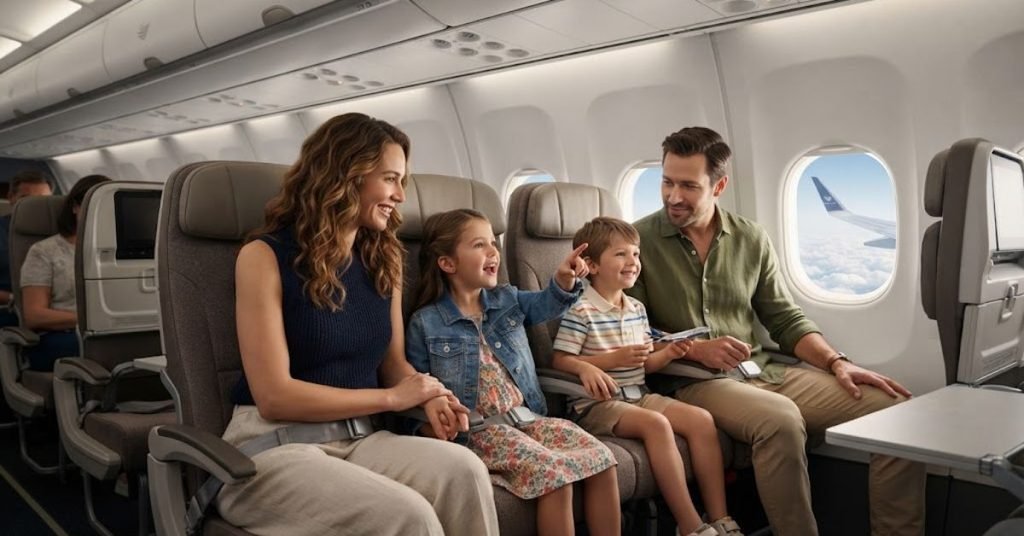
Flying with children becomes easier when you prepare for airport procedures, boarding, meals, and changes in routine. The most useful strategy is to keep essential items accessible and allow more time than you would need when traveling alone.
Before Booking a Flight
Compare the total journey rather than looking only at ticket prices. A cheaper flight with a long overnight layover may be harder for a young child than a slightly more expensive direct flight.
Consider these factors:
- Flight duration: Shorter journeys may reduce fatigue, although direct flights are not always the cheapest.
- Departure time: Choose a time that works reasonably well with your child’s sleep routine.
- Connections: Allow sufficient time for transfers, security checks, and moving between gates.
- Seating: Review the airline’s family seating policy and any charges for selecting seats together.
- Baggage: Check allowances for strollers, car seats, diaper bags, and children’s luggage.
Before departure, confirm current airline policies. Rules concerning infant fares, bassinets, approved child restraints, and stroller handling can differ between airlines.
How to Keep Kids Comfortable During Flights
Children may find unfamiliar noises, crowded cabins, and long periods of sitting uncomfortable. Explain the journey beforehand and prepare activities suited to the flight length.
For babies, feeding or offering a pacifier during takeoff and landing may help with ear pressure. Older children can try swallowing or drinking water when appropriate.
Bring a variety of compact activities to keep children occupied, instead of depending entirely on one tablet for entertainment.
Picture books, simple puzzles, drawing materials, and downloaded programs can provide variety.
Bring headphones that fit your child’s age and comfort level.Charge all electronic devices in advance and download films, maps, and essential travel information so you can use them without an internet connection.
Most importantly, avoid expecting children to remain perfectly still throughout the journey. Offer quiet activities, respond calmly to their needs, and follow crew instructions.
How Can Parents Keep Children Comfortable During a Long Layover?
A long airport wait can be challenging, especially for toddlers. Find out whether the airport has family rooms, play areas, accessible toilets, or suitable places to eat.
Let children walk or move around where permitted and safe. Before boarding the next flight, refill water bottles where allowed, visit the toilet, and check that your family has all its belongings.
For international connections, confirm whether you need to pass immigration, collect checked luggage, change terminals, or obtain additional travel documents.
How to Travel with Kids on Road Trips
Road trips offer families greater flexibility because they can stop for meals, bathroom breaks, and sightseeing. However, long periods in a vehicle can become tiring without suitable preparation.
Plan Stops Before Leaving
Estimate driving time and identify safe places to stop along the route. The best schedule depends on the children’s ages, the road conditions, and their individual needs.
Young children may need frequent breaks for feeding, diaper changes, or movement. Older children may manage longer stretches but still benefit from regular opportunities to stretch and use the toilet.
Avoid planning a long drive immediately after a packed day of sightseeing. If possible, travel during a period when children are normally comfortable resting.
Make the Car Comfortable
Prepare a small bag with water, appropriate snacks, tissues, wipes, spare clothes, and entertainment. Keep frequently used items within an adult’s reach rather than allowing the driver to search for them.
Choose age- and size-appropriate child restraints, and follow the manufacturer’s installation instructions and applicable local laws. Children should be secured correctly before the vehicle moves.
Never allow a child to travel unrestrained because the journey seems short. Do not leave children alone in a parked vehicle, particularly in hot weather.
Keep Kids Entertained During the Journey
Children often become restless when the scenery changes slowly. Simple games can make the journey more enjoyable without distracting the driver.
Try activities such as:
- Playing a game where children identify cars by color or look for specific road signs along the way.
- Listening to a family audiobook.
- Playing age-appropriate guessing games.
- Looking for animals, landmarks, or interesting buildings.
- Letting older children follow the route on a map.
Do not use games that encourage children to distract the driver. If a child becomes upset or needs attention, stop at a safe location before addressing the problem.
How to Find Family-Friendly Accommodation
The right accommodation can reduce daily stress, improve sleep, and help families stay within budget. Consider how the room will function for your family rather than choosing a property based only on its photographs.
What Should You Check Before Booking?
Look for accommodation that provides the facilities your family actually needs.
- Sleeping arrangements: Confirm bed sizes, room capacity, and whether a cot or extra bed is available.
- Location: Check the distance to attractions, shops, restaurants, and transport.
- Food options: Consider breakfast availability, kitchen access, or nearby places serving suitable meals.
- Safety: Inspect the room and surrounding areas for risks, including unsecured balconies, openable windows, stairways, swimming pools, and other hazards children could encounter.
- Practical facilities: Look for laundry access, lifts, refrigerators, and suitable bathrooms where needed.
Never assume that a hotel will provide a free cot, a particular room layout, or childproof equipment. Contact the property if an important facility is not clearly described.
Hotel, Apartment, or Family Resort?
| Accommodation | Best suited to | Main consideration |
| Hotel | Short stays and sightseeing | Room space and meal costs |
| Apartment | Families needing a kitchen | Cleaning, location, and check-in |
| Family resort | Pool and organized activities | Total price and extra charges |
| Guesthouse | Smaller or locally focused trips | Facilities and child safety |
Renting an apartment with cooking facilities can lower food costs, whereas a resort may make family activities easier to manage in one place. Neither option is automatically cheaper; compare the full cost for your dates and family size.
Choose a convenient location when possible. Saving a little on accommodation may not be worthwhile if it adds expensive transfers and long journeys every day.
How to Travel with Kids While Managing Routines
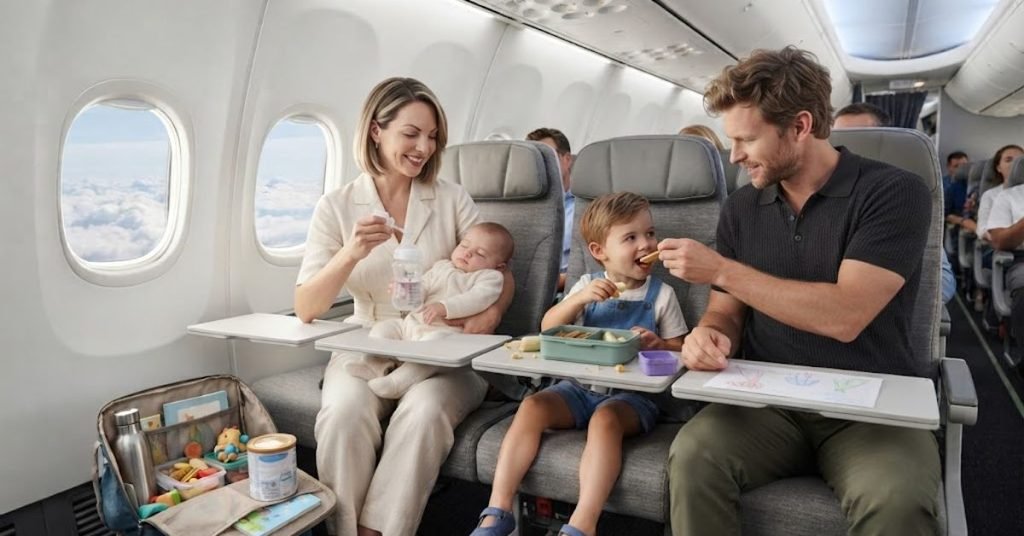
Children often cope better with unfamiliar places when some parts of their daily routine remain familiar. There is no need to copy your usual routine exactly while traveling, but keeping meal times and breaks fairly consistent can help everyone feel more settled
Plan Meals and Snacks
Carry a few familiar snacks for journeys and times when restaurants are busy. Suitable options depend on your child’s age, allergies, dietary needs, and the facilities available.
When choosing food abroad, consider safe preparation, clean water, and proper storage. Children may be more vulnerable to the effects of dehydration and certain travel-related illnesses.
For infants, plan feeding arrangements in advance. Check the availability of safe drinking water, appropriate formula, and facilities for cleaning feeding equipment.
The CDC’s guidance for traveling with children explains important precautions concerning food, water, vaccinations, and health risks. Families traveling internationally should review destination-specific advice before departure.
Protect Sleep Without Making It a Struggle
Changes in time zones, unfamiliar beds, and busy days may disrupt children’s sleep. Bring a familiar bedtime item if it is practical, and try to maintain a recognizable evening routine.
Keep the first day relatively light after a long journey. Instead of booking several attractions immediately, allow time to settle into the accommodation and explore nearby surroundings.
If you cross several time zones, adjust meal and sleep times gradually when practical. Children may need time to adapt, so avoid expecting everyone to follow the local schedule immediately.
Balance Activities with Rest
A family holiday should not feel like a race to visit every attraction. Too many activities can leave children tired and parents frustrated.
Alternate busy days with lighter ones. A morning at a major attraction could be followed by an afternoon at the hotel, a local park, or a relaxed meal.
This approach also creates room for unexpected discoveries. Sometimes a short walk through a neighborhood or an unplanned stop for ice cream becomes a favorite family memory.
Keep Your Family Safe While Traveling
Safety deserves attention before departure and throughout the trip.Before setting off, learn about transportation options, nearby medical services, possible safety risks at your accommodation, and local regulations concerning children.
Prepare Health and Emergency Essentials
For international travel, review vaccination recommendations and health risks for your destination well in advance. Ask a qualified healthcare professional about individual needs, especially when traveling with infants or children who require regular medical care.
Carry prescribed medicines, relevant medical information, and details of your travel insurance. Check whether your insurance covers children, planned activities, and treatment abroad.
Identify nearby medical facilities before traveling to remote areas. If medical services are difficult to reach at your destination, assess whether your planned outings and travel options are appropriate for every family member.
Keep Children Close in Busy Places
Airports, markets, beaches, and crowded attractions can make it easy for family members to become separated.
Agree on a simple meeting point and explain what children should do if they cannot find their accompanying adult. Younger children can carry a card with a parent’s contact details, provided it is used appropriately for their age and circumstances.
Teach children how to recognize an appropriate staff member or trusted official to ask for help if they become separated from the family, and tell them to stay in a safe place rather than looking for their relatives alone.
For extra preparation, save emergency contact details on your phone and keep a backup copy accessible.
Follow Transport and Water Safety Rules
Use appropriate child restraints in cars and follow local transport requirements. Check that any vehicle you book has suitable safety equipment.
Keep children within close reach whenever they are near pools, rivers, lakes, or the sea. Even confident swimmers can face danger when currents, waves, or other water conditions change unexpectedly.
Choose activities that match your child’s abilities and follow instructions from qualified guides. Helmets, life jackets, and other protective equipment should fit correctly whenever required.
For international trips with children, also check passport validity, entry rules, and any consent documents required when one parent travels alone. The rules differ by country, so confirm requirements with official authorities before departure.
Plan a Family Trip Without Overspending
Traveling with children does not have to mean booking expensive resorts or paying for activities every day. A thoughtful budget helps parents prioritize comfort and experiences while avoiding unnecessary costs.
Set a Realistic Family Travel Budget
Estimate the full cost before booking. Include transport, accommodation, meals, attraction tickets, local transfers, baggage charges, and emergency funds.
Children may qualify for reduced fares or free entry at some attractions, but age limits and conditions vary.Check the final fare for your chosen travel dates instead of assuming children automatically qualify for reduced prices.
| Expense | Ways to manage the cost |
| Transport | Compare total fares, baggage fees, and transfers |
| Accommodation | Compare family rooms, apartments, and breakfast options |
| Food | Mix restaurant meals with affordable alternatives |
| Attractions | Look for family tickets and free activities |
| Local travel | Choose convenient routes and suitable transport passes |
Choose Activities That Offer Good Value
A memorable holiday does not require a paid attraction every day. Public parks, walking routes, beaches, local markets, and free cultural events may provide enjoyable experiences at little or no cost.
Look into family ticket bundles and reduced admission rates for children at local attractions to see where you can save money.
Calculate the total price for everyone and consider whether you will use all the activities included.
Avoid buying tickets for every day before understanding your family’s pace. Flexible bookings may cost more, but they can be useful when children become tired or weather changes.
Leave Room for Unexpected Expenses
Children may need replacement clothing, extra meals, a taxi, or an unplanned night of accommodation after a delay. Keeping some money aside can prevent these situations from disrupting the entire holiday.
Review cancellation policies and consider suitable travel insurance. The best choice depends on the trip’s cost, destination, existing coverage, and your family’s needs.
How to Travel with Kids: Common Mistakes to Avoid
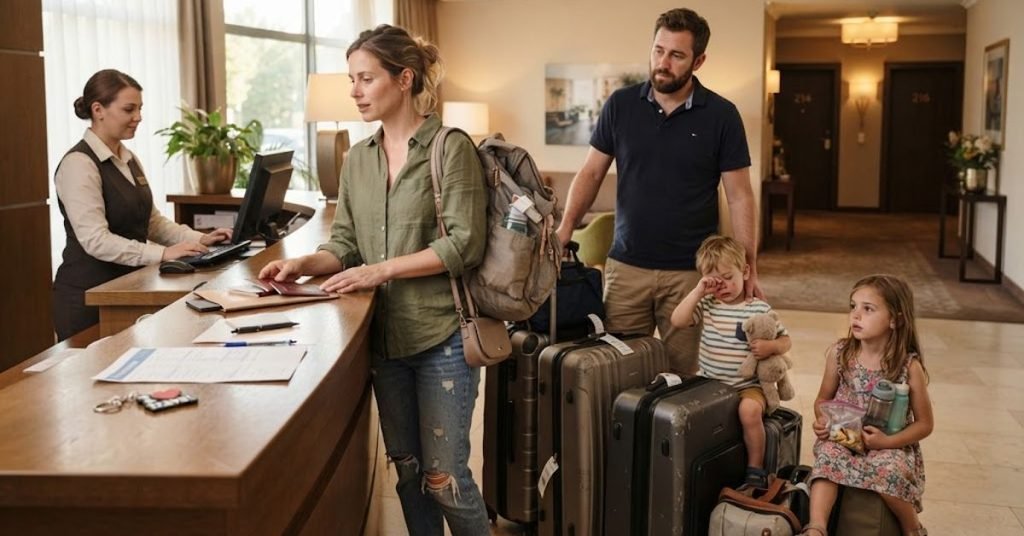
Many family travel problems begin with small planning decisions. A few simple precautions can help prevent common travel problems and make the trip easier, without adding unnecessary complexity to your plans.
1. Scheduling too many activities
Trying to visit every attraction can exhaust children and adults. Choose a few priorities and leave time for breaks.
2. Packing too much luggage
Extra bags are difficult to manage during transfers and hotel check-ins. Pack for the expected weather and use a checklist to avoid unnecessary items.
3. Ignoring children’s routines
Skipping meals or expecting young children to stay awake all day can make the trip harder. Plan around their usual needs when practical.
4. Booking accommodation without checking facilities
Photographs do not always show room dimensions, bed arrangements, or safety features. Read the details carefully and confirm essential requirements directly with the property.
5. Forgetting documents and airline policies
Forgotten paperwork or baggage that fails to meet airline rules can disrupt your departure. Before heading out, double-check that each family member has the required documents and that all luggage meets the relevant restrictions.
6. Choosing activities unsuitable for children’s ages
A long hike or crowded attraction may not suit every child. Check walking distances, age restrictions, accessibility, and available facilities.
7. Relying entirely on electronic devices
Devices can help during long journeys, but batteries run out and internet access may be unreliable. Bring a few non-electronic activities as backups.
8. Treating every unexpected problem as a disaster
Children may become upset, plans may change, and delays may occur. Focus on solving the immediate problem instead of trying to preserve the original schedule at all costs.
How to Travel with Kids: Solve Common Problems
Even carefully planned holidays can include difficult moments. Having a simple backup plan helps parents respond calmly.
What If a Child Becomes Tired or Upset?
Find a quieter place, offer water or an appropriate snack, and check whether the child needs rest. If possible, shorten the activity rather than forcing the original schedule.
Younger children may not be able to explain what is bothering them. Consider hunger, discomfort, overstimulation, and tiredness before moving on to another attraction.
What If a Flight or Train Is Delayed?
Check official transport updates and contact the airline or operator about your options. Keep snacks, essential medicines, chargers, and spare clothing accessible.
If a delay affects a connecting journey, ask about rebooking before purchasing another ticket. Keep your receipts and reservation confirmations in a safe place so you can provide proof of payment if you seek compensation under the relevant policy.
What If Your Luggage Goes Missing?
If your bags do not arrive, notify the airline or transport provider at its baggage service counter before leaving the terminal, whenever possible. Keep the report reference and follow the operator’s instructions.
Essential items should remain in your carry-on bag. This is particularly important for medicines, documents, and supplies a child may need during the first day.
What If Your Child Gets Lost?
Follow your agreed family safety plan immediately. Notify nearby security staff or the appropriate local authorities, and provide a clear description of the child and their last known location.
Do not wait for an extended period before asking for help. Teaching children what to do in advance can make it easier for them to respond safely.
What If Your Child Becomes Ill?
Stop unnecessary activities and assess the situation. Seek qualified medical advice when symptoms are concerning, worsening, or difficult to assess.
Urgent symptoms require immediate local emergency assistance. If a child develops a fever after international travel, tell the healthcare professional about the destination and travel dates.
How to Travel with Kids: Best Practices for Families
A few consistent habits can help families avoid unnecessary stress before, during, and after their trip.
- Confirm important details: Recheck bookings, transport schedules, entry requirements, and baggage rules close to departure.
- Prepare the night before: Organize documents, charge devices, and place essential supplies in your carry-on.
- Keep important items together: Use a secure document pouch and a designated place for tickets and identification.
- Share responsibilities: Let older children manage suitable personal belongings and give each adult clear tasks.
- Stay flexible: Keep alternative activities ready in case of bad weather, closures, or tired children.
- Choose convenience when it matters: A shorter transfer or a nearby restaurant may be worth a small additional cost.
- Protect downtime: Leave room for naps, relaxed meals, and unplanned breaks.
- After the trip, reflect on what went smoothly and keep a record of useful arrangements to make planning your next family getaway simpler.
How to Travel with Kids: A Simple Preparation Checklist
Before you leave
0 of 7
Check passports, visas, and required consent documents
Confirm transport tickets and baggage rules
Book suitable accommodation and verify essential facilities
Pack medicines, documents, snacks, and spare clothing
Download entertainment and save important contact details
Check the weather and prepare a backup activity
Share a family meeting point and emergency plan
Reset checklist
Key Takeaways
- Plan your itinerary around your children’s ages, energy levels, and routines.
- Choose convenient destinations, transport options, and accommodation.
- Keep essential supplies, documents, snacks, and medicines accessible.
- Prepare children for flights, road trips, and unfamiliar surroundings.
- Prioritize safe transport, suitable supervision, and destination-specific health advice.
- Set a realistic budget and compare the total cost of family activities.
- Leave room for rest and unexpected changes rather than filling every hour.
Conclusion
Family travel becomes more manageable when preparation focuses on what your children actually need. A memorable family holiday does not require carrying everything, seeing every attraction, or sticking to a strict schedule.
Start by choosing a suitable destination, checking the essential travel requirements, and creating a realistic budget. Then prepare your luggage, arrange comfortable transport, and leave enough time for rest and spontaneous activities.
Start by deciding where you want to go and when to travel. Create a packing and planning list tailored to your children’s ages and the amount of time you’ll be away from home.
A little preparation can help the whole family travel with greater confidence and enjoy the experience together.
Frequently Asked Questions
1. How to travel with kids without getting stressed?
Plan around children’s routines, pack essentials in advance, choose convenient accommodation, and avoid scheduling too many activities in one day.
2. What Is the Best Age to Travel with Kids?
There is no single best age. Babies need feeding and sleep arrangements, toddlers benefit from short activities, and older children can participate more independently.
3. How to Travel with Kids on a Budget
Keep expenses manageable by comparing travel and lodging options, bringing easy-to-prepare food, taking advantage of family offers, and choosing budget-friendly activities such as park visits and scenic walks.
4. What to Pack When You Travel with Kids
Pack clothes for the expected conditions, important travel documents, essential medicines, easy-to-carry snacks, extra outfits, entertainment items, and other necessities appropriate for each child’s age.
5. How to Keep Kids Busy on Long Flights
Pack a mix of picture books, small puzzles, colouring supplies, offline videos, and child-friendly headphones. Switching between activities during the flight can help children stay interested and make the journey feel shorter.
6. How to Travel with Kids: Car or Airplane?
Cars offer flexibility and convenient stops, while planes can reduce travel time over long distances. Compare the journey length, cost, comfort, and children’s needs.
7. How to Travel with Kids Safely on Every Trip?
Use appropriate child restraints, supervise children around roads and water, keep emergency contacts accessible, and establish a plan in case family members become separated.
8. How to Travel with Kids and Reduce Toddler Stress?
Keep familiar snacks and comfort items nearby, schedule regular breaks, and plan short activities around naps and meals. Allow extra time for transitions.
SEO Tags
- How to Travel with Kids
- Family Travel Tips
- Traveling with Children
- Family Vacation Planning
- Travel Tips for Parents
- Traveling with Toddlers
- Family Road Trip Tips
- Flying with Kids
- Family Travel Packing List
- Budget Family Vacations
Internal Linking Suggestions
4. Inexpensive Family Vacation Ideas .
5. Affordable Family Vacation Ideas
Authoritative External References
Social Media Title
Traveling with Kids Made Easier: Smart Tips for a Happier Family Vacation


