

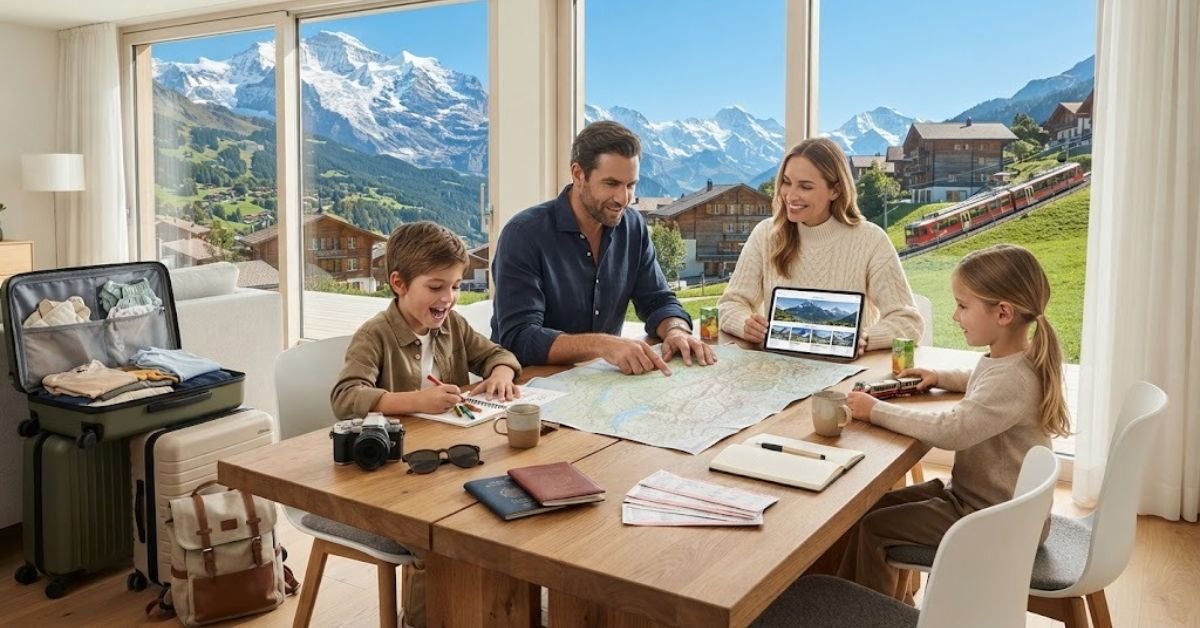
Quick Answer
Learning how to organise a trip starts with choosing a realistic destination, setting a budget, deciding your travel dates, and arranging transport and accommodation.
Next, plan the main activities without filling every hour.
Check travel documents, weather, local transport, and safety information before leaving. A flexible itinerary helps you enjoy the trip without turning every day into a strict schedule.
Author Information
Author: Gulnaz Malik
Role: Founder, Publisher & Travel Content Specialist
Experience: 5+ Years in Travel, Destination Research, Tourism, Digital Content & Travel Planning
Last Updated: October 2026
Introduction
Planning a trip feels more manageable when you handle each part one step at a time, from choosing your destination to preparing for departure.
You do not need to plan every minute before leaving home. In fact, an overly detailed plan can make a holiday feel more like a timetable than a break.
Good trip planning means knowing the important details before you leave. These include your budget, travel dates, transport, accommodation, documents, and a few activities you genuinely want to experience.
At the same time, you should leave some room for unexpected discoveries. A local café, a quiet viewpoint, a market, or a spontaneous walk can become one of the best memories of a trip.
From the moment you choose a destination until you return home, this guide covers the key steps for planning a well-organised trip.
It also covers budgeting, accommodation, itineraries, packing, safety, common mistakes, and practical ways to stay flexible.
Table of Contents
- Why Should You Organise a Trip Before Traveling?
- How to Organise a Trip: A Simple Step-by-Step Plan
- How to Choose a Destination and Travel Dates
- How to Build a Realistic Travel Budget
- How to Organise Flights and Other Transport
- How to Choose the Right Accommodation
- How to Create a Useful Trip Itinerary
- What Should You Pack for a Trip?
- How to Prepare Travel Documents and Important Details
- Planning a Trip for Different Types of Travelers
- Common Mistakes to Avoid
- Troubleshooting Problems During a Trip
- Best Practices for Smoother Travel
- Key Takeaways
- Frequently Asked Questions
- Conclusion
Why Should You Organise a Trip Before Traveling?

Organising a trip gives you a clearer idea of what you can afford, where you need to go, and how much time you have.
Planning is especially useful when visiting a new country or taking a trip with several stops. Without preparation, travelers can waste time searching for transport, choosing hotels at the last minute, or discovering that an attraction requires booking.
However, planning does not mean controlling everything.
A good travel plan should answer the important questions while leaving space for changes.
Before booking anything, think about:
- Where do you want to go?
- How many days do you have?
- What is your total budget?
- Who is traveling with you?
- What type of experience do you want?
- How much travel time would you prefer for your trip?
- Which activities matter most to you?
Once these questions are clear, the rest of the planning process becomes easier.
How to Organise a Trip: A Simple Step-by-Step Plan
The easiest approach is to organise your trip in stages rather than trying to make every decision at once.
1. How to Organise a Trip That Suits You
Start with the purpose of your journey.
You might want a relaxing beach holiday, a city break, a family vacation, an outdoor adventure, or a cultural trip.
Your travel style affects almost every later decision.
For example, someone who wants quiet beaches may prefer a smaller coastal destination. A traveler interested in museums and restaurants may enjoy staying in a central city neighborhood.
2. How to Organise a Trip to the Right Destination
Once you know what you want from the trip, shortlist a few destinations.
Compare them based on:
- Travel time
- Expected costs
- Weather
- Local transportation
- Accommodation choices
- Main attractions
- Entry requirements
- Your preferred activities
Do not choose a destination only because it looks attractive in photographs.
Consider whether it actually suits your budget, available time, and travel style.
3. How to Organise a Trip Around Your Dates
Your dates can affect both cost and experience.
Peak travel periods may bring larger crowds and higher accommodation prices. Shoulder seasons can sometimes offer a better balance between weather, availability, and cost.
Before booking, check local holidays and major events. They can affect hotel availability and transportation.
Also consider your arrival time. Reaching a destination very late at night may not be ideal if you are unfamiliar with the area.
4. How to Organise a Trip Before Booking
Before paying for anything, create a simple outline.
For example:
Day 1: Arrival and nearby exploration
Day 2: Main attractions
Day 3: Local food and neighborhoods
Day 4: Day trip or outdoor activity
Day 5: Relaxed morning and departure
This rough plan helps you decide whether the destination fits the amount of time you have.
It also prevents a common mistake: booking a hotel or flight before understanding how much time you actually need.
How to Organise a Trip: Destinations and Dates
Picking a destination goes beyond simply choosing a famous location. Consider the activities and experiences you would like to enjoy after you get there.
If you want outdoor activities, research seasonal weather and local conditions. If you want sightseeing, check whether attractions are spread across a large area. If you are traveling with children, consider travel times and easy access to food and restrooms.
Your available vacation time matters too.
A three-day break may be perfect for a nearby city but too short for a destination requiring long flights and multiple connections.
Peak Season vs. Shoulder Season
| Travel Period | Advantages | Possible Drawbacks |
| Peak season | Better access to popular seasonal activities | More crowds and higher prices |
| Shoulder season | Often a good balance of weather and cost | Some seasonal services may be limited |
| Off-season | Fewer visitors and potential savings | Weather or opening hours may be less favorable |
Always research the destination’s actual seasonal conditions before making final arrangements.
How to Organise a Trip on a Realistic Budget

When planning your travel budget, remember to include expenses beyond accommodation and transportation.
Many travelers underestimate small expenses because they focus on the major bookings.
Create separate estimates for:
- Transportation to and from your destination
- Accommodation
- Local transportation
- Food and drinks
- Attractions
- Tours and activities
- Travel insurance
- Visa or document costs where applicable
- Shopping
- Emergency expenses
Creating a basic budget breakdown can help you keep your travel expenses organised.
| Expense | Planning Method |
| Transport | Compare several options before booking |
| Accommodation | Check total cost, not only the nightly rate |
| Food | Estimate a daily range |
| Activities | Separate free and paid attractions |
| Emergency fund | Keep money aside for unexpected costs |
Keep some money in reserve instead of using your full budget before you travel.
Keep a reserve for delays, unexpected transportation, replacement items, or a last-minute change in plans.
A practical travel budget should be manageable and flexible rather than overly strict.
How to Organise a Trip with Flights and Transport
Transportation can shape your entire itinerary.
When comparing flight options, consider more than just the advertised fare. Check baggage rules, connection times, airport locations, and arrival times.
A slightly cheaper flight may not be the better option if it requires a very long layover or arrives at an inconvenient hour.
For road or rail travel, consider the total journey time.
Compare Your Main Transport Options
| Option | Best For | Consider |
| Flight | Long distances | Baggage and connection times |
| Train | Many regional journeys | Route and departure times |
| Bus | Budget-conscious travelers | Journey length and comfort |
| Car | Flexible road trips | Fuel, parking, and driving rules |
For international travel, check current entry and transit requirements before finalising your route.
For trips with multiple stops, choose connecting flights with enough time between them. A longer layover gives you a better chance of staying on schedule if an earlier flight is delayed.
How to Organise a Trip with the Right Accommodation
Where your hotel is located can be just as important as the quality of the room.
A cheaper property far from the places you want to visit may cost more once you add daily transportation.
Before booking, check:
- Location
- Transport access
- Check-in and check-out times
- Room type
- Cancellation conditions
- Included facilities
- Additional fees
- Reviews from recent guests
Look beyond the hotel photos before deciding where to stay.
Look at the map and identify what surrounds the property. A central location may be useful for short city trips, while a quieter neighborhood may be better for a longer relaxing stay.
For families, practical features such as room size and nearby food options can be important.
For solo travelers, location and easy transport may deserve extra attention.
How to Organise a Trip Itinerary

A well-planned itinerary keeps your journey organised while still leaving room for flexibility.
Start by listing the attractions and experiences you care about most.
Then group nearby places together.
For example, visiting three attractions in the same neighborhood on one day can save hours of unnecessary travel.
A Simple Three-Day Trip Plan
Day 1: Arrival and local area
Keep the first day light. Check into your accommodation, eat nearby, and explore the surrounding area.
Day 2: Main sightseeing
Use your second day for the attractions that matter most. Start early if popular sites tend to become busy.
Day 3: Flexible exploration
Leave room for a neighborhood walk, local food, shopping, or an activity you discovered after arriving.
This approach works better than trying to visit every attraction in a destination.
How Much Should You Plan Each Day?
For most travelers, three to five major activities in one day can already feel busy.
Allow time for:
- Meals
- Transportation
- Rest
- Queues
- Unexpected delays
- Simple exploration
Include transportation and travel time when planning your daily schedule.
A place that looks close on a map may take much longer to reach because of traffic, transfers, or walking distances.
How to Organise a Trip and Pack Your Luggage
Pack according to your destination, expected weather, planned activities, and the number of days you will be away.
Begin with the essentials and add only what you are likely to need instead of overfilling your luggage.
Basic Packing Checklist
- Identification and travel documents
- Payment cards and some backup money
- Phone and charging equipment
- Appropriate clothing
- Comfortable footwear
- Toiletries
- Necessary medications
- Travel-size personal items
- Printed copies or safely stored digital versions of essential travel documents
Check the weather shortly before departure rather than relying only on a forecast you saw weeks earlier.
If you are traveling internationally, also check baggage restrictions and any rules affecting items you plan to carry.
Avoid packing clothes for every possible situation.
Choose pieces that can be combined easily and work for more than one activity.
How to Organise a Trip with Travel Documents
Review all essential documents well in advance of your scheduled departure.
For international travel, check your passport validity, visa or entry requirements, and any transit requirements that apply to your route.
Requirements can vary depending on nationality, destination, and transit country. Always verify current information with the appropriate official authority before traveling.
Keep important details accessible, but do not store sensitive information carelessly.
Useful information to have available includes:
- Flight or transport confirmation
- Accommodation address
- Emergency contact details
- Travel insurance information
- Copies of important documents
- Local transportation information
It is also useful to know how you will get from the airport, station, or terminal to your accommodation before you arrive.
Taking this simple step can help you begin your journey with less stress and confusion.
Planning How to Organise a Trip for Different Travelers

There is no single perfect travel plan.
Your itinerary should match the people traveling with you.
How to Organise a Trip for Families
Families usually benefit from shorter travel days and convenient accommodation.
Try not to pack your day with multiple attractions that are far apart from one another. Include breaks and allow children time to rest.
Keep snacks, water, and essentials accessible during longer journeys.
How to Organise a Trip for Solo Travelers
Solo travelers have more flexibility, but should pay attention to accommodation location and transportation.
Share your general itinerary with someone you trust and keep emergency information accessible.
You can also choose organized activities when you want to meet other travelers or explore an unfamiliar area more comfortably.
How to Organise a Trip for Couples
Couples can balance popular attractions with more relaxed activities. Rather than spending the whole day travelling from one landmark to another, set aside time for quiet meals, scenic walks, or simply enjoying each other’s company.
How to Organise a Trip on a Budget
Budget travelers should compare the complete cost of each option.
A cheap hotel may require expensive daily transportation. A slightly more expensive room near public transport could be cheaper overall.
Free attractions, local markets, public spaces, walking routes, and self-guided activities can also help reduce spending.
Common Mistakes When You Organise a Trip
Even a carefully planned trip can become stressful if you overlook simple details.
Avoid Trying to See Everything on Your Trip
Many travelers create an enormous list of attractions.
The result is often rushed sightseeing and little time to enjoy the destination.
Choose your priorities instead.
Booking Everything Too Quickly
Do not reserve every activity before understanding your daily route.
Some experiences are better left flexible.
Ignoring Travel Time
An itinerary may look reasonable on paper but become exhausting when transportation is added.
Always consider actual journey times.
Choose Accommodation When You Organise a Trip
The lowest-priced room may not necessarily offer the best overall value.
Transport costs, location, extra fees, and time should also influence your decision.
Forgetting a Backup Plan
Weather, delays, closures, and unexpected changes can affect travel.
Have at least one alternative activity for important outdoor plans.
Leaving Documents Until the Last Minute
Checking your passport, visa requirements, and booking information shortly before departure can create unnecessary stress.
Review them early.
How to Handle Problems When You Organise a Trip
Even well-organised trips can have problems.
You cannot avoid every travel problem, so focus on being prepared enough to handle unexpected situations calmly.
If Your Transport Is Delayed
Check official updates first.
If you have a connection, find out whether you need to change your booking. Keep important confirmation numbers accessible.
If Your Luggage Is Lost
Report the issue to the relevant transport company before leaving the airport or terminal.
Keep your baggage information and important receipts.
Packing essential items in your carry-on can also make a delay easier to manage.
If the Weather Changes
Move outdoor activities to another day when possible.
Keep one or two indoor options in your itinerary so that bad weather does not ruin the entire trip.
If a Booking Has a Problem
Keep confirmation emails or booking references available.
Contact the provider directly and ask about the available alternatives before making another payment.
If You Overspend
Review the remaining days rather than panicking.
Reduce optional spending, choose lower-cost meals, and use affordable local transport where practical.
An emergency reserve is especially useful here.
Best Practices to Organise a Trip Smoothly
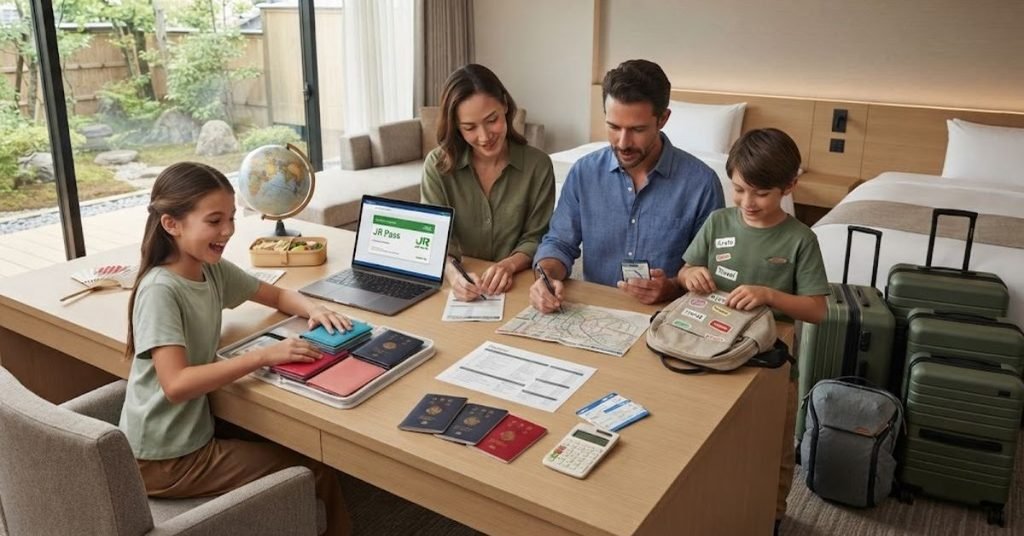
The most effective travel plans are simple enough to use while you are actually traveling.
Follow these habits:
- Plan the major parts before departure.
- Keep your itinerary flexible.
- Check important information close to your travel date.
- Save booking confirmations in an accessible place.
- Research local transportation before arrival.
- Keep an emergency budget.
- Avoid scheduling distant attractions back-to-back.
- Leave time for meals and rest.
- Learn a few useful local phrases when appropriate.
- Check local customs before visiting religious or culturally important places.
- Keep important documents secure.
- Review weather conditions before outdoor activities.
Most importantly, do not confuse preparation with perfection.
A good plan should make your trip easier, not make you worried about following a schedule.
How to Organise a Trip in 7 Days
If you have a week-long vacation, this framework can help you organise the journey without overplanning.
Before departure:
Choose the destination, set the budget, arrange transport, book accommodation, check documents, and research the main attractions.
Day 1:
Arrive, settle in, and explore close to your accommodation.
Day 2:
Visit your highest-priority attractions.
Day 3:
Explore another neighborhood or area.
Day 4:
Take a day trip or enjoy a major activity.
Day 5:
Keep the schedule lighter. Sample local dishes and spend some time discovering places away from the main tourist crowds.
Day 6:
Use this day for anything you missed or particularly enjoyed.
Day 7:
Keep departure arrangements simple and allow enough time to reach your transport point.
This structure can be adjusted for almost any destination.
Key Takeaways
- Decide what type of experience you want before choosing a destination.
- Set a realistic budget that includes unexpected costs.
- Choose travel dates based on weather, crowds, and your available time.
- Evaluate different transportation choices rather than automatically selecting the lowest-priced ticket.
- Select accommodation based on location as well as price.
- Build your itinerary around priority experiences.
- Leave free time between major activities.
- Check travel documents and entry requirements early.
- Pack according to the destination and planned activities.
- Keep backup plans for weather and transportation problems.
- Leave room for spontaneous experiences.
Frequently Asked Questions
What Is the First Step in How to Organise a Trip?
The first step is deciding where you want to go and what type of experience you want. Then set your available dates and overall budget.
When Should You Start to Organise a Trip?
It depends on the destination, season, and type of travel. International trips and peak-season holidays generally benefit from earlier planning.
How to Organise a Trip With Limited Money
Start with a realistic total budget, then compare transport, accommodation, food, and activities. Look at the complete cost rather than only the cheapest individual option.
Is It Necessary to Schedule Every Day of a Trip?
No. Plan your important activities, but leave free periods for rest, unexpected discoveries, and changes caused by weather or delays.
How do I organize a trip with my family?
Choose convenient accommodation, keep travel days manageable, schedule regular breaks, and avoid packing too many distant attractions into one day.
What Should You Prepare Before Travelling Abroad?
Check passport validity, visa and entry requirements, transportation details, accommodation information, travel insurance, and any current rules that apply to your journey.
Is it better to book hotels before flights?
Usually, it is helpful to understand your overall route and dates first. Once those are clear, you can coordinate transport and accommodation without creating unnecessary conflicts.
How can I make a trip less stressful?
Prepare the essential details in advance, keep your schedule realistic, allow extra travel time, and maintain a small emergency budget.
Conclusion
Knowing how to organise a trip does not mean creating a rigid schedule for every hour.
The best approach is to prepare the important details while keeping enough flexibility to enjoy the destination naturally.
Start with your travel goal, destination, dates, and budget. Then arrange transportation and accommodation, create a realistic itinerary, prepare your documents, and pack according to your plans.
Once the essentials are handled, permit yourself to slow down.
A good trip is not measured by how many places you manage to check off a list. It is about having enough time and energy to enjoy where you are.
Before booking, review your budget and travel requirements one more time. Then make the reservations that matter and leave some space for the experiences you cannot plan.
SEO tags
- how to organise a trip
- trip planning guide
- how to plan a trip
- travel planning tips
- organise a vacation
- travel itinerary planning
- trip preparation checklist
- budget travel planning
- travel organisation tips
- vacation planning guide
Internal Links
Inexpensive Family Vacation Ideas
Authoritative External References
For current international travel requirements, travelers should verify information with official sources rather than relying on old travel articles:
- IATA Travel Centre — useful for checking current passport, visa, and travel-document information.
- CDC Travelers’ Health — official travel-health information and destination guidance.
Social Media Title
How to Organise a Trip Without the Stress: A Simple Travel Planning Guide


